By: Antonio Galarza & Sachi Hauser
Concrete is one of the most widely used construction materials in the world, but its environmental impact is staggering. The production of cement, a key ingredient in concrete, accounts for approximately 8% of global carbon dioxide emissions, making it a significant contributor to climate change. Additionally, the heavy reliance on sand as a resource for concrete is depleting ecosystems and causing severe environmental degradation. The Guardian
In India, where rapid urbanization demands vast amounts of construction materials, this overuse of concrete has far-reaching consequences. It exacerbates climate change, depletes resources, and increases costs for vulnerable communities. Organizations like the Auroville Earth Institute are addressing this problem by developing sustainable building materials and practices that align with global sustainability goals.
Supporting the United Nations Sustainable Development Goals
The work of the Auroville Earth Institute directly contributes to several Sustainable Development Goals (SDGs):
– **SDG 11: Sustainable Cities and Communities**
By promoting the use of locally sourced materials like compressed earth blocks, the institute fosters sustainable urban development. Their techniques reduce the carbon footprint of construction while making housing more affordable and accessible.
– **SDG 12: Responsible Consumption and Production**
The institute’s emphasis on resource efficiency and minimizing waste addresses the need for sustainable production practices. By using alternatives to concrete, they help conserve natural resources like sand and reduce environmental degradation.
– **SDG 13: Climate Action**
Through the development of low-carbon building materials, the Auroville Earth Institute mitigates the environmental impact of construction. Their innovations are essential for reducing greenhouse gas emissions in the building sector.The Guardian
Making an Impact in India
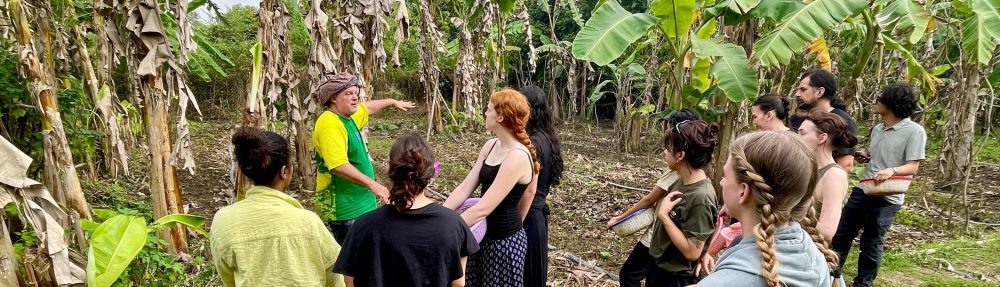
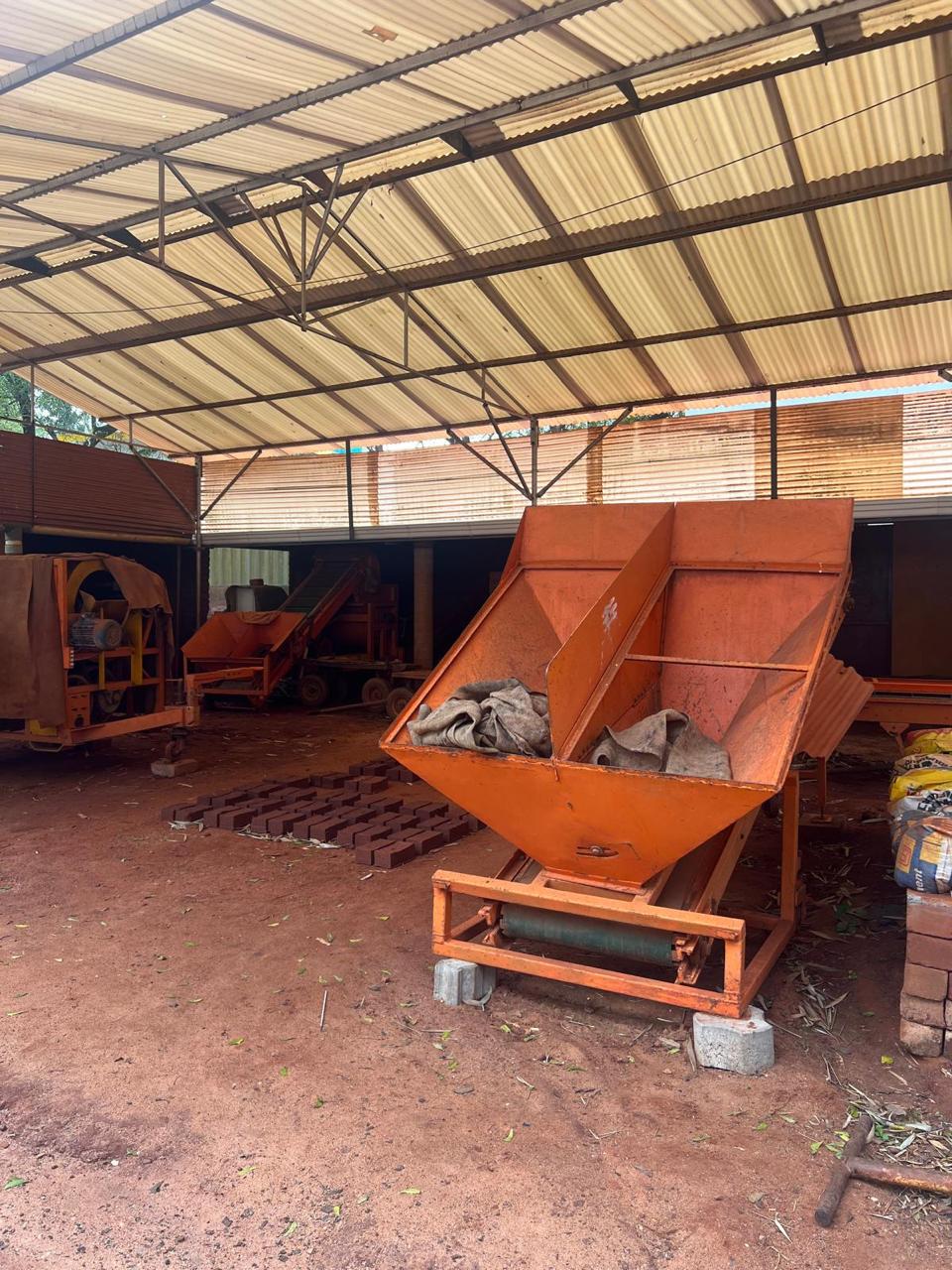
During our visit, we had the unique opportunity to make and use the blocks ourselves. This hands-on experience demonstrated how accessible these building methods are, even for individuals with no prior construction experience. The simplicity of the process ensures that surrounding villages can adopt these techniques with minimal training, empowering communities to create their own sustainable housing solutions.
The Auroville Earth Institute has been a pioneer in sustainable construction in India. Their work spans multiple areas, including:
– **Education and Training:** The institute trains architects, engineers, and masons from around the world in sustainable construction techniques. This knowledge-sharing creates a ripple effect, spreading eco-friendly practices far beyond India’s borders.
– **Innovative Materials:** The use of compressed earth blocks (CSEBs) and other alternatives reduces the need for concrete, cutting costs and emissions. These materials are not only durable but also thermally efficient, making buildings more energy-efficient.
– **Community Development:** By using locally sourced materials and involving local labor, the institute supports economic growth in rural areas. Their projects empower communities to build affordable, sustainable housing while preserving the environment.

A Model for the Future
The Auroville Earth Institute’s work offers a blueprint for addressing the environmental challenges posed by traditional construction. By reducing the reliance on concrete, they are proving that sustainable alternatives are both practical and impactful.
For more information on the environmental impact of concrete, check out these sources:
BBC Future ScienceDirect
 AUP Sustainable Development Practicum in Auroville, India
Appreciate this brief but concise note on Auroville Earth Institute and the relevance of its work. Thank you.
Appreciate this concise introduction of Auroville Earth Institute and the relevance of its work. Thank you.