by Carolin Melz
Waste management is a global concern, but in India, it takes on unique dimensions. While Auroville appears relatively clean, many rural areas and cities face significant waste challenges. Streets littered with garbage serve as a stark reminder of the issue, something I’ve witnessed firsthand. During a recent presentation by Ribhu Vohra, the founder of Wasteless in Tamil Nadu, we delved into the intricacies of waste management, plastic pollution, and innovative ways to inspire change—particularly among young people.
India has systems in place—green bins, waste collection rules, and allocated budgets—but implementation often falters. In rural areas near Auroville, for instance, workers signed attendance sheets for waste collection but rarely showed up. Superficial clean-ups before official visits often mask deeper, systemic problems.
In urban areas like Pondicherry, waste dumpsites pose health and environmental risks. Fires at these sites during the summer release toxic fumes, endangering local communities.
“Just two generations ago, before the dawn of disposable plastic, people could throw their waste on the ground and it would rot. Not so today, with plastic now clogging up drains and being ingested by livestock.” — Admin, WasteAid
Plastic pollution represents an escalating crisis. Ribhu explained that while recycling offers partial solutions, not all plastics can be easily recycled. For example, PVC and other plastics pose severe challenges, compounded by toxic additives that enhance their properties. These chemicals, often found in soft toys and food packaging, disrupt endocrine systems and harm health.
Microplastics—tiny fragments of plastic—are another pressing concern. Found in cosmetics, clothing, and even food, they’ve infiltrated ecosystems and human bodies. Shockingly, humans consume the equivalent of three credit cards’ worth of microplastics each month. Ribhu shared how fish mistake microplastics for food, illustrating the dangerous cycle that brings waste back to us. Therefore, he created an app that you can download with the ability to scan products and analyze whether or not they contain micro-plastic. Try it!

Ribhu believes education is the key to solving the plastic problem. Through Wasteless, he has incorporated lessons about plastic pollution into school curriculums in Tamil Nadu, combining storytelling with impactful visuals, like a plate of three plastic pencils symbolizing our plastic consumption. Here the power of images plays also a crucial role in social impact. By focusing on positive, action-oriented messages, he inspires children to become agents of change.
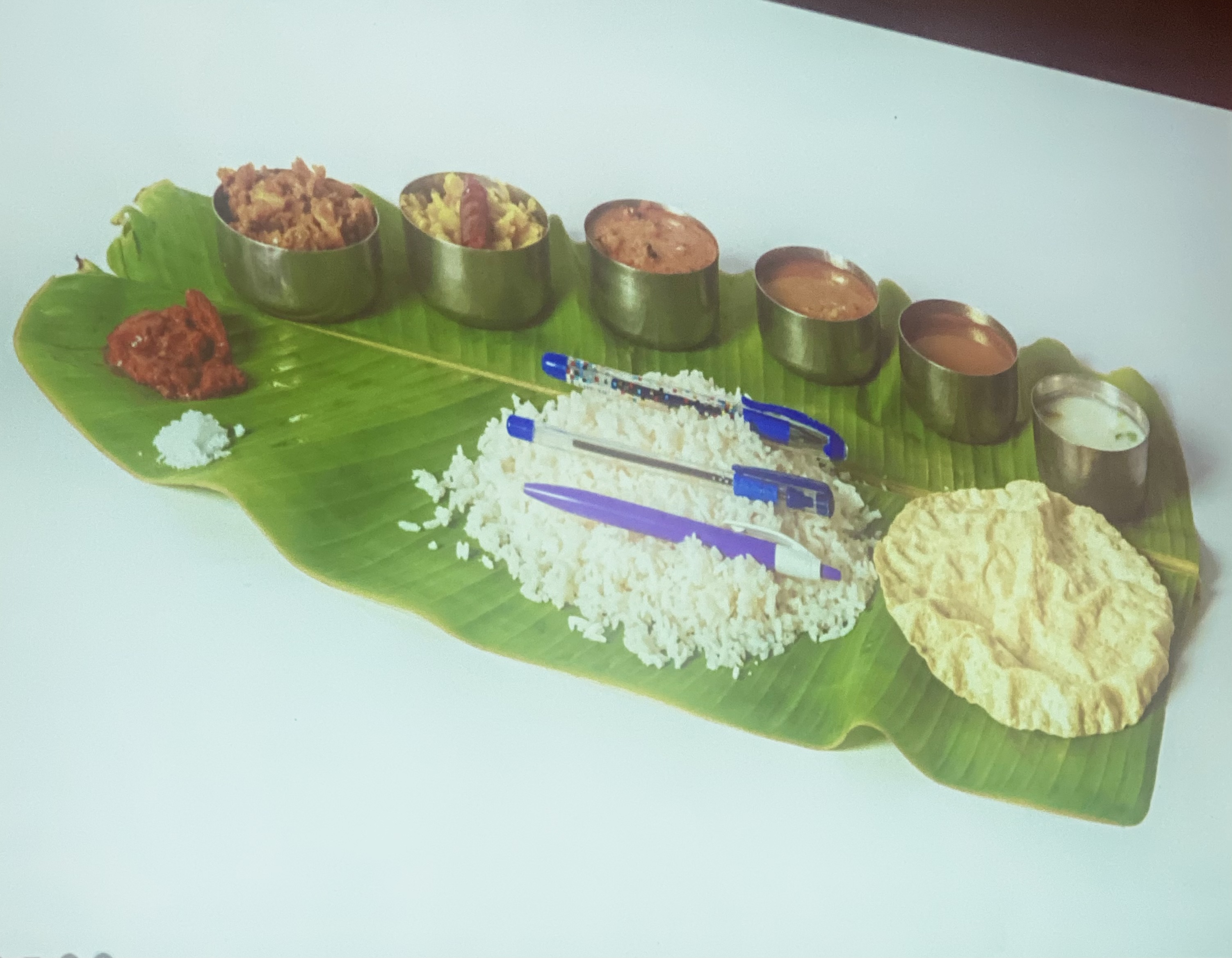
Hands-on learning and creative activities make the issue relatable. For instance, children who connected everyday items like pens to larger waste issues became curious and eager to spread awareness. Storytelling, emotional connections, and interactive games—such as linking fish to microplastics—helped them understand these problems on a deeper level.
Hope, not fear, is the driving force for change. Wasteless uses “edutainment”—a blend of education and entertainment—to engage young minds. This approach, successful in addressing also other global challenges like HIV/AIDS, holds great promise for tackling waste and plastic pollution in India.
“Education is not the filling of a pail, but the lighting of a fire.” — William Butler Yeats
By inspiring curiosity and empowering youth, we can shift from passive awareness to active stewardship, transforming how we manage waste and plastics for a sustainable future. This makes us think how we ourselves have a potential to foster change through educating the younger generation.

To learn more about Wasteless and their projects follow the link: https://www.wastelessindia.org
Works Cited:
Admin. “Waste and the Sustainable Development Goals.” WasteAid, 12 July 2022, wasteaid.org/waste-and-the-sustainable-development-goals/.
Strong, Robert. “‘Education Is Not the Filling of a Pail, but the Lighting of a Fire’: It’s an Inspiring Quote, but Did WB Yeats Say It?” The Irish Times, The Irish Times, 15 Oct. 2013, http://www.irishtimes.com/news/education/education-is-not-the-filling-of-a-pail-but-the-lighting-of-a-fire-it-s-an-inspiring-quote-but-did-wb-yeats-say-it-1.1560192.
 AUP Sustainable Development Practicum in Auroville, India