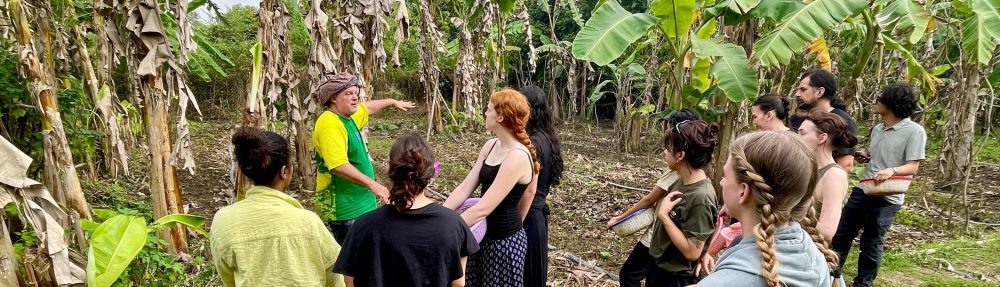

Sustainability usually arrives with instructions. What to buy, what to avoid, what to fix, what to improve. It often feels like a checklist, or worse, a moral test.
Auroville didn’t work like that.
Instead of telling you what sustainable living is supposed to look like, it lets you notice it on your own. Over time, certain patterns start to repeat themselves. Not in an obvious way, and not as lessons exactly, but as everyday realities that slowly reshape how you think about comfort, excess, and value.
These are a few of the things that stood out.
1. Luxury Isn’t Always Designer
In most urban settings, luxury is tied to choice and control. Being able to customize everything, upgrade constantly, and replace what no longer feels perfect is often treated as a sign of success. In Auroville, luxury shows up in quieter ways.
Here, luxury looks like space to breathe, time without urgency, and environments that don’t ask you to perform. Comfort isn’t created through polish or aesthetics, but through ease. There’s less pressure to consume in order to belong, and more acceptance of what already exists.
It reframes luxury as something experiential rather than material. Less about what you own, more about how you move through your day.
2. Simplicity Works When It’s Normal
One of the reasons sustainability feels achievable in Auroville is because it isn’t framed as a special effort. People reuse towels, share resources, and eat what’s prepared without much discussion. These practices aren’t highlighted or praised; they’re simply part of daily life.
When simplicity is treated as normal rather than virtuous, it stops feeling restrictive. There’s no pressure to “do it right.” You adjust naturally, because that’s how the environment functions.
This normalization makes sustainability feel less like a personal burden and more like a shared rhythm.
3. Slow Is a Feature, Not a Bug
Life in Auroville moves at a noticeably slower pace. Walking, cycling, and simple vehicles shape how people move through space. Distances feel longer, but time feels less compressed.
At first, this can feel inefficient. Over time, it becomes grounding. Slowness allows attention to expand. You notice light, sounds, and small changes in your surroundings. Conversations stretch without interruption.
Instead of feeling behind, you begin to feel present. Slowness becomes a form of awareness rather than delay.
4. Community Doesn’t Need Matching Behavior
During events like the Light Mandala meditation, people gather without being asked to behave in a particular way. Some sit still for hours, others move in and out. Children wander quietly, adults adjust positions, visitors observe.
What’s striking is that the lack of control doesn’t disrupt the space. It strengthens it. Shared presence matters more than uniform participation.
This approach to community allows difference without tension. It shows that cohesion doesn’t require sameness, only mutual respect.
5. Objects Are Allowed to Have a Past
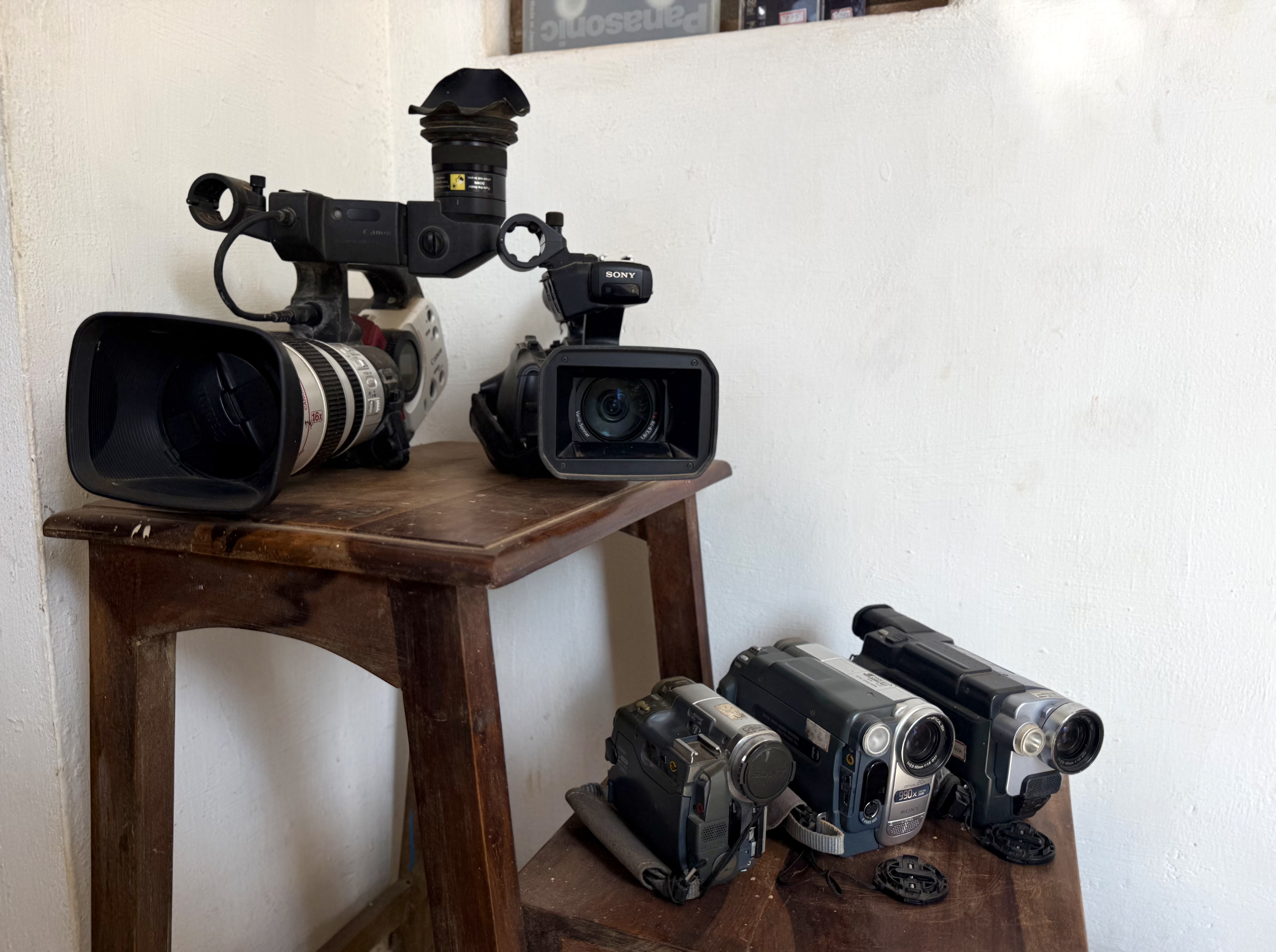
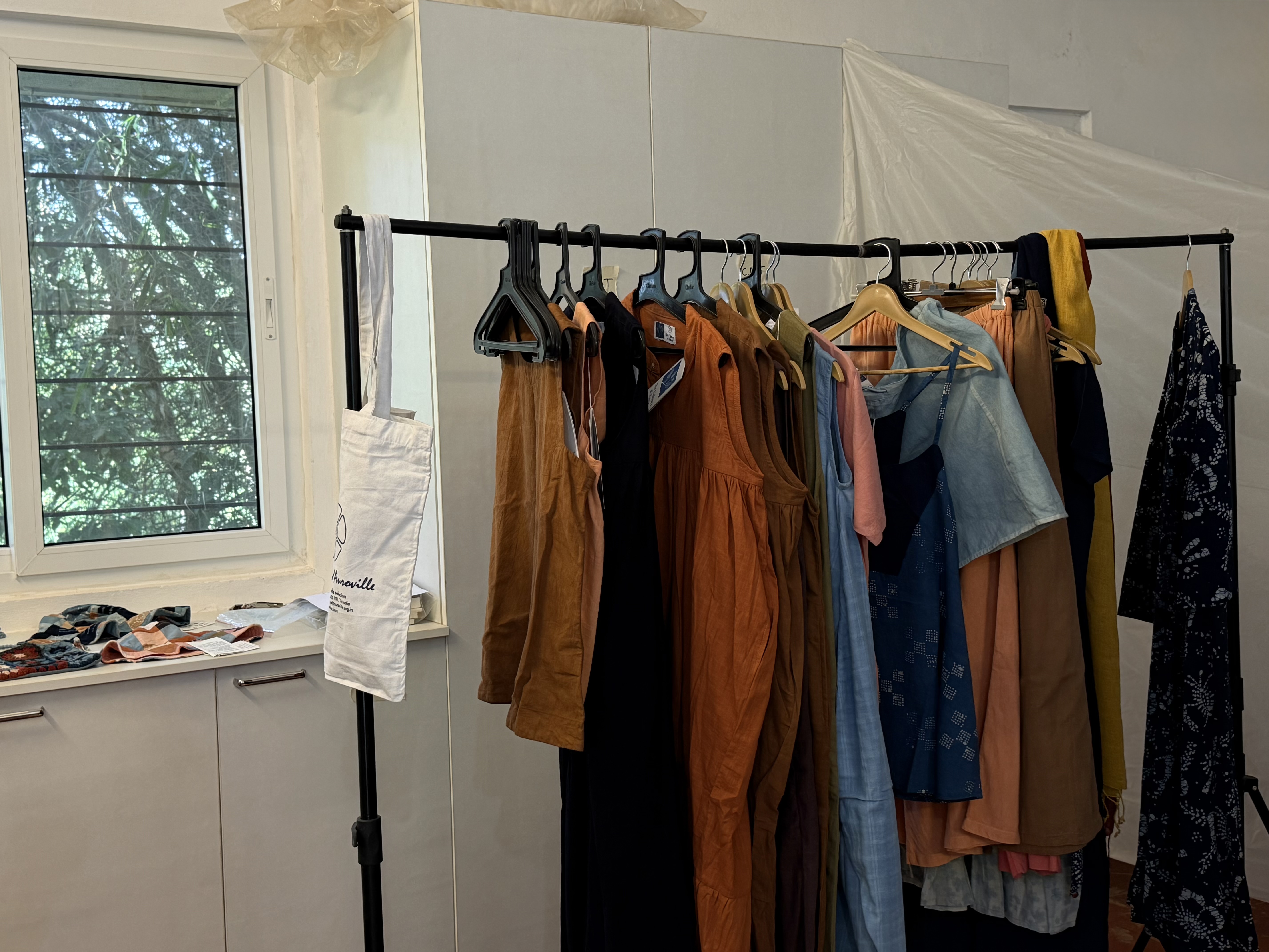
Throughout Auroville, objects show signs of use. Clothing racks hold items that have already lived full lives. Tools and equipment are repaired, reused, and stored carefully rather than replaced.
There’s no attempt to hide age or wear. Instead, longevity is valued. Objects aren’t treated as disposable, and their history is visible.
This approach shifts how value is assigned. Something doesn’t lose worth because it’s old; it gains it because it continues to serve a purpose.
6. You Don’t Need to Optimize Everything
In many environments, life is optimized down to the smallest detail. Comfort is curated, preferences are prioritized, and inconvenience is avoided whenever possible. In Auroville, optimization isn’t the goal.
Meals aren’t customized. Spaces aren’t adjusted for individual comfort. And yet, these environments feel surprisingly welcoming. Without constant tailoring, participation becomes easier. You stop evaluating and start engaging.
Letting go of optimization removes pressure. What’s left is a sense of ease that doesn’t rely on perfection.
7. Sustainability Isn’t the Point, Living Is
What stands out most is how rarely sustainability is mentioned. No one is trying to convince you of anything. Practices like reuse, shared meals, and slow movement exist without explanation.
Because of that, they endure.
Sustainability here isn’t treated as an identity or an achievement. It’s a byproduct of how people relate to space, time, and one another. It works because it fits into everyday life rather than standing apart from it.
The Takeaway No One Gave Me
Auroville didn’t offer a formula or a lifestyle to adopt. It offered a different way of paying attention. To time. To comfort. To excess.
Sustainability here isn’t aspirational. It’s practical. It doesn’t demand perfection, only awareness. And once you start noticing how much can be gained by needing less, it’s difficult not to carry that perspective with you.

Written by Laura Pretel
 AUP Sustainable Development Practicum in Auroville, India