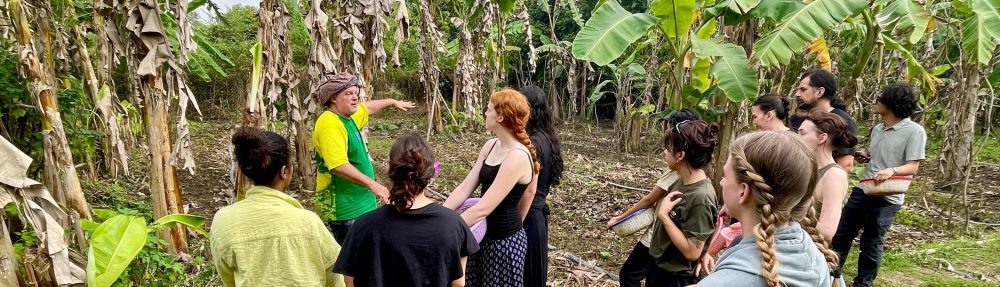
Auroville is truly one of a kind.
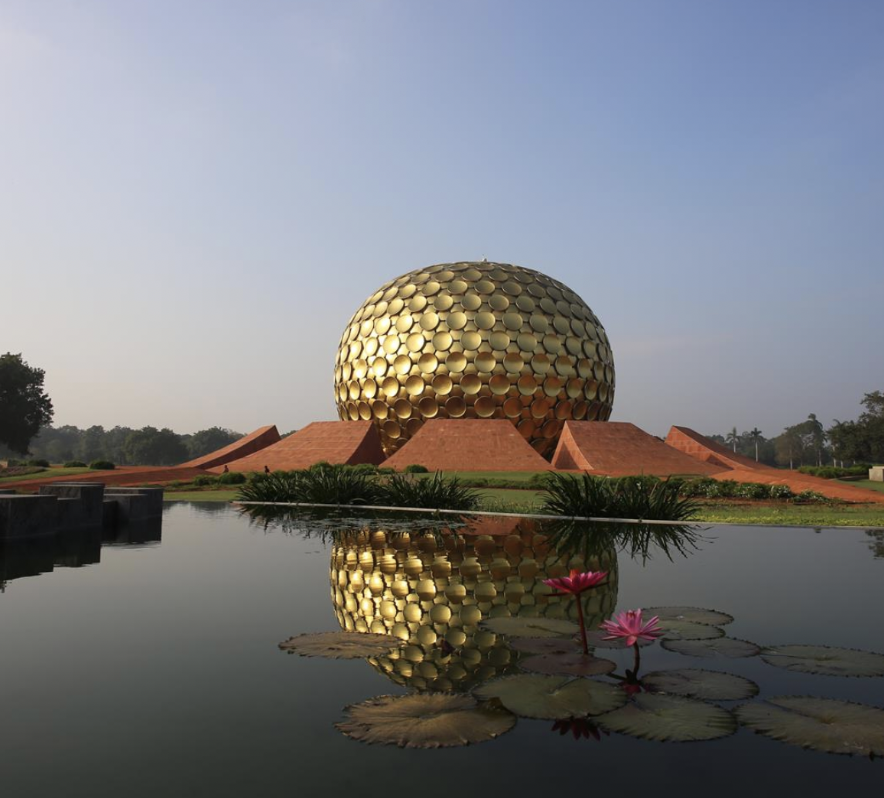
Image retrieved from the Auroville.org
Nestled in the coastal region of Tamil Nadu, India, Auroville is often described as a “universal township.” Founded in 1968 by Mirra Alfassa (known as “the Mother”), it was conceived as a living laboratory for human unity, sustainability, and conscious evolution. Officially endorsed by UNESCO and supported by the Government of India, Auroville aims to transcend national, political, and religious divisions.
Yet, for all its noble aspirations, Auroville invites questions—some practical, some philosophical, and some deeply personal. During my time there, I found myself grappling with its contradictions and complexities. Is it an inspiring model for the future, or does it echo troubling patterns of the past?
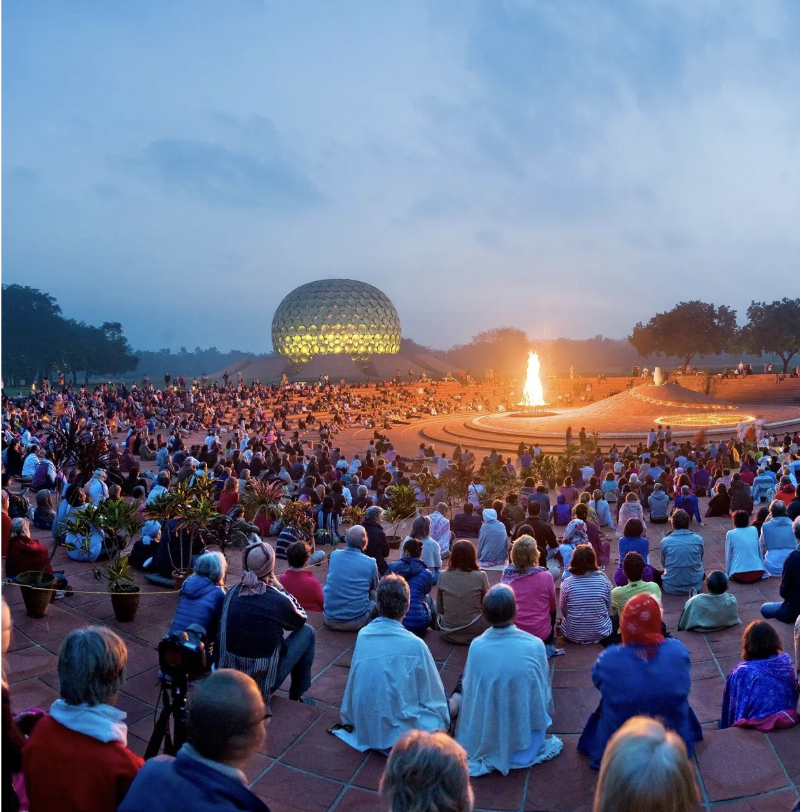
Image retrieved from the Auroville.org
Beyond the “Cult” Label — A Reflection on Devotion and Perception
Before arriving, my friends and I half-joked that Auroville sounded like a cult. Merriam-Webster defines a cult in several ways:
cult noun
1: a group (as an organization or religious sect) with tenets and practices regarded as coercive, insular, or dangerous
2: great devotion to a person, idea, object, movement, or work
3: a system of religious beliefs and rituals
4: formal religious veneration : worship
5: a system for the cure of disease based on dogma set forth by its promulgator
After a month in Auroville, I observed that while residents hold deep reverence for the Mother’s vision, the community does not align with the coercive or insular aspects of the definition. There is no centralized authority demanding conformity, and residents are free to leave at any time.
What fascinated me was my own discomfort with their devotion. As an American, I grew up celebrating the “Founding Fathers” as visionary leaders. Why did their veneration feel normal, while the Mother’s felt cultish? I began to wonder: Was I reacting to internalized biases—perhaps a subconscious sexism that questions spiritual authority when it comes from a woman?
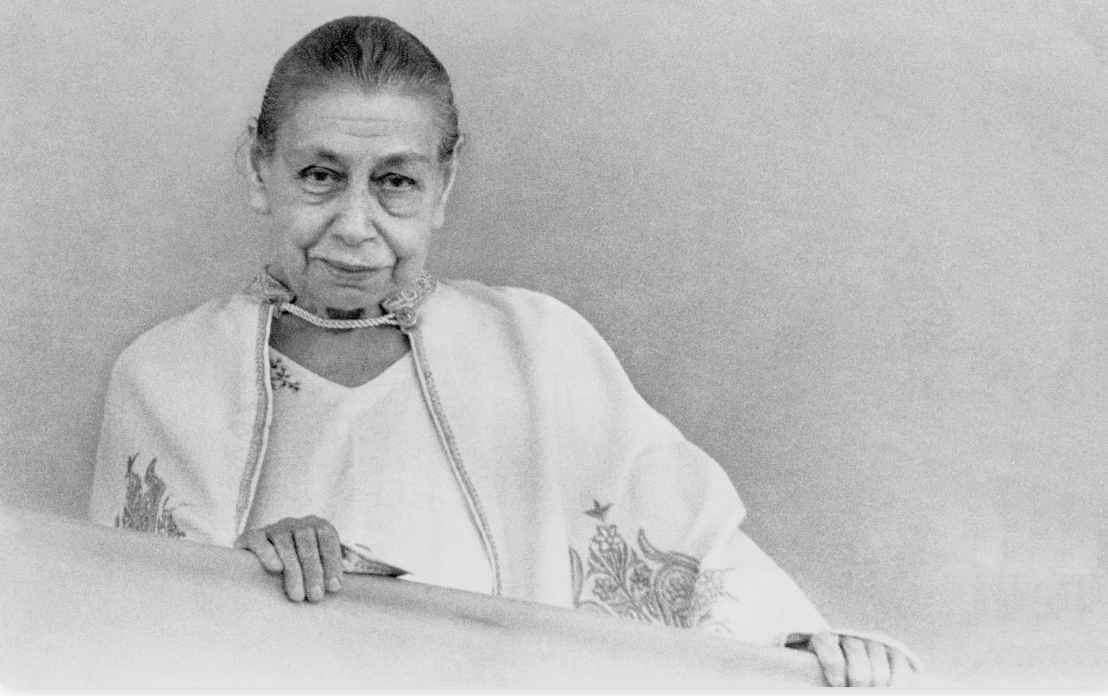
Image retrieved from the Auroville.org
Colonial Echoes or Conscious Integration?
Another layer of unease came from Auroville’s location and demographic makeup. The Mother was French, not Indian, and the surrounding region of Puducherry bears a visible French colonial legacy—from street names to architecture. Today, French remains the second-most common nationality in Auroville after Indian.
This raised difficult questions: Why establish such an experiment in post-colonial India? Was this another instance of the Global North using the Global South as a testing ground?
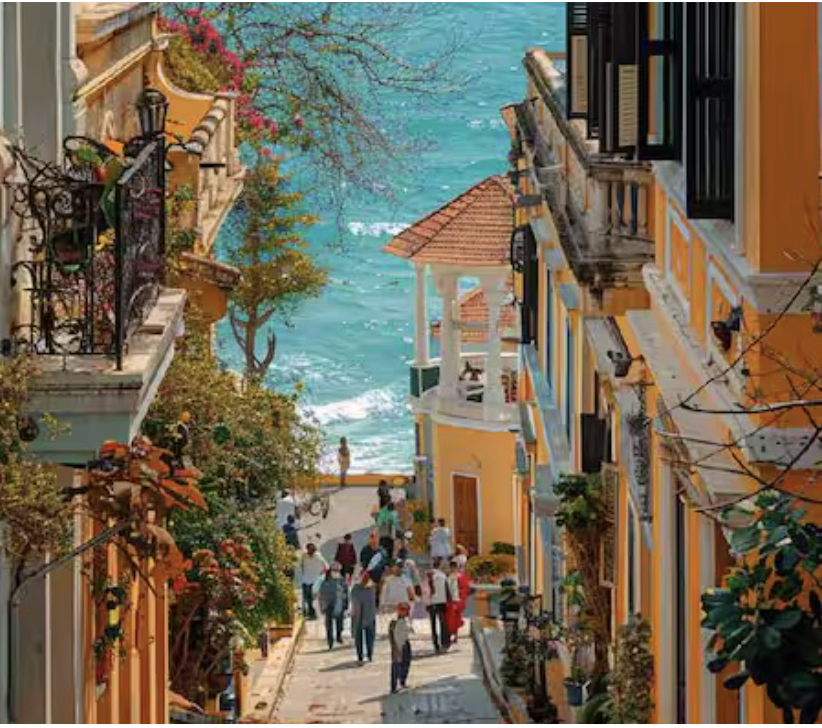
Image retrieved from Travel India.
All of these things made me curious. Why India? Why isn’t Auroville in France? What about the conditions in India made it ideal for an experiment like Auroville to take root? Is this another instance of the global north using the global south how they see fit? Experimenting in someone else’s backyard?
Yet the reality is more nuanced. According to Auroville’s 2025 census, the community of 3,296 residents includes 1,702 Indians—making up over half the population. The top five nationalities are:
- India 1702 residents
- France 401 residents
- Germany 227 residents
- Italy 164 residents
- USA 100 residents
During my stay, I noticed deliberate efforts to honor Tamil culture—through language classes, traditional crafts, and ecological restoration projects on once-degraded land. The ideal, as one resident told me, is “integration, not imposition.” Whether that ideal is fully realized remains an open question, but it complicates any simple colonial narrative. A melting pot is beautiful, as long as it is consensual and respectful of the native land and people.
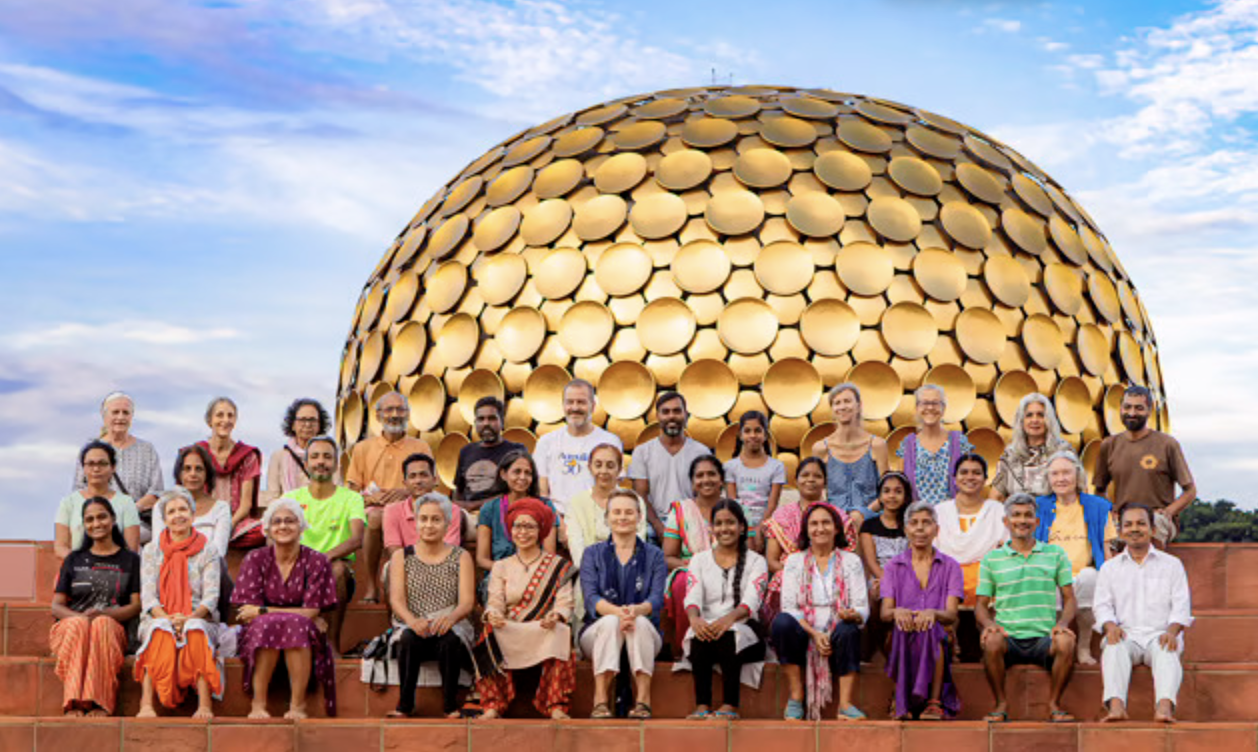
Image retrieved from the Auroville.org
The Lasting Impact — What Auroville Leaves Behind
Auroville lingers with you. Since returning home, I’ve found myself incorporating small rituals into daily life: morning yoga, mindful meals, watching the sunset, and a heightened awareness of waste and consumption. These weren’t rules imposed on me, but habits absorbed through living in a community that values intentionality.
Perhaps that’s Auroville’s most compelling quality: it defies easy categorization. It is neither utopia nor cult, neither colonial outpost nor native. It is a work in progress—a flawed, evolving experiment that challenges visitors to reflect on their own assumptions about community, belief, and belonging.
In the end, Auroville resists labels. And maybe that’s the point.
References:
Auroville vision and history:
https://auroville.org/page/auroville-in-brief
Cult definition by Merriam Webster Dictionary:
https://www.merriam-webster.com/dictionary/cult
French colonial legacy in Southern India:
https://archive.org/details/historyoffrenchi00mall/page/n17/mode/2up
Auroville Census 2025:
https://auroville.org/page/census%20-%20auroville-population-539
Article by: Kylie Fast
Written on January 20th, 2026.
 AUP Sustainable Development Practicum in Auroville, India