Have we broken through the fences?

Image

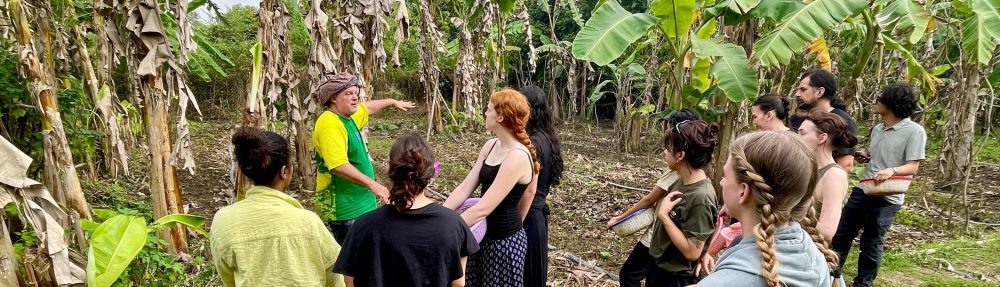
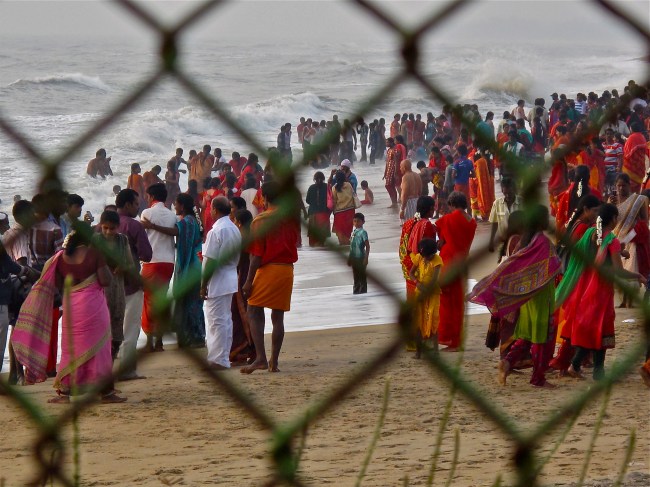
After a week and a half in Auroville some of the question marks have been ironed out, only to be replaced by more questions. Questions are always going to arise when travelling to new countries or places where one is being confronted with new people, places and cultures.

The What, Why & How? Are more often than not connected to the ‘others’. The ‘others’ being the people belonging to the place and culture in which we are the visitors. Less frequently are the What, Why & How directed at oneself. What should I do now? What is expected of me? Why do I react in this way?

It is so easy – almost too easy, to look at new experiences from a Eurocentric perspective – to use ones own culture as a measurement for what we consider to be right and normal, to think that there is a proper way to go about things and the way one is most familiar with is often considered to be the ‘only’ way to approach issues.

The questions attached to ‘the right and only way’ are important to keep in mind in the context of positive change and sustainability.

Too often, development, or the new term – positive change, has had a Eurocentric framework. Meaning that we in the global North believe that we sit on all the right answers and solutions. Not often enough are the people that will be affected by the change actually asked what they need, want, wish or are in need of.

Recently development workers have started to realise that local people know perfectly well what they need and how to achieve it – if they had the means to do so – all we need to do is engage in a dialogue!

The more I learn about environmental and social development, I realise that in order to make it sustainable, we need to make sure that the project, skills, ideas can be continued by the local people themselves. Also ideas and values need to be given the space and time to be developed by the people themselves on their own terms.

But. For a substantial sustainable change to be able to take place on both a local and a global scale, that will enable projects, local NGOs and entrepreneurs around the world to reach their goals and realise their vision, the inhabitants in the global North need to get better at engaging in dialogue. We are also the ones that should be prepared to answer some questions regarding our own outlook and values.

The global North needs to be willing to reassess our views of local cultures and change. We are the ones that need adopt positive change and maybe realise that development is not equal to the ability to upgrade to the latest model of iPhone.

So maybe we are the ones who have to be prepared to reflect on our lifestyle choices and answer the questions What, Why & How? in order to make positive change sustainable.

Angela Fjordmark, Linnaeus University, Sweden
Merry Menstruation!

To all of you out there (even males), this is something that concerns all of us. Menstruation is not only important for young women who just had their first period, but something they will experience for most of their lives. It concerns women, but also parents and relatives whom are responsible of informing young girls about menstruation and sanitation. One dimension that often is forgotten is the environment.

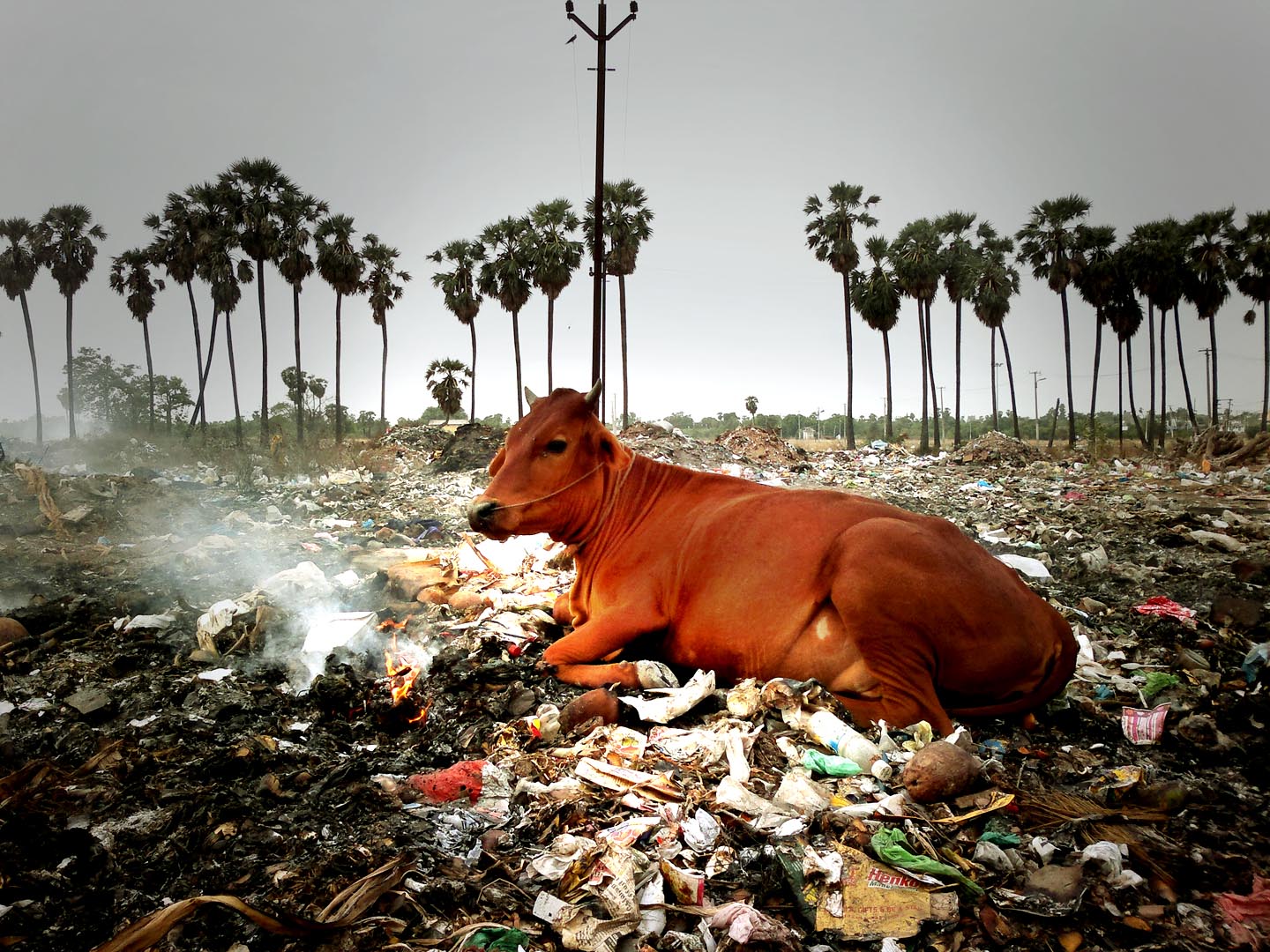
Statistics show that the average North American woman uses and throws away 16,800 disposable pads and tampons in her lifetime. Using disposable pads is bad for the environment in terms of being made out of plastic, meaning they are not biologically degradable. The life cycle is 500 – 800 years in nature. So how could women (note: half the Earth’s population) contribute to a better environment as well as lower our economic expenses? The answer is reusable cotton pads.

Image

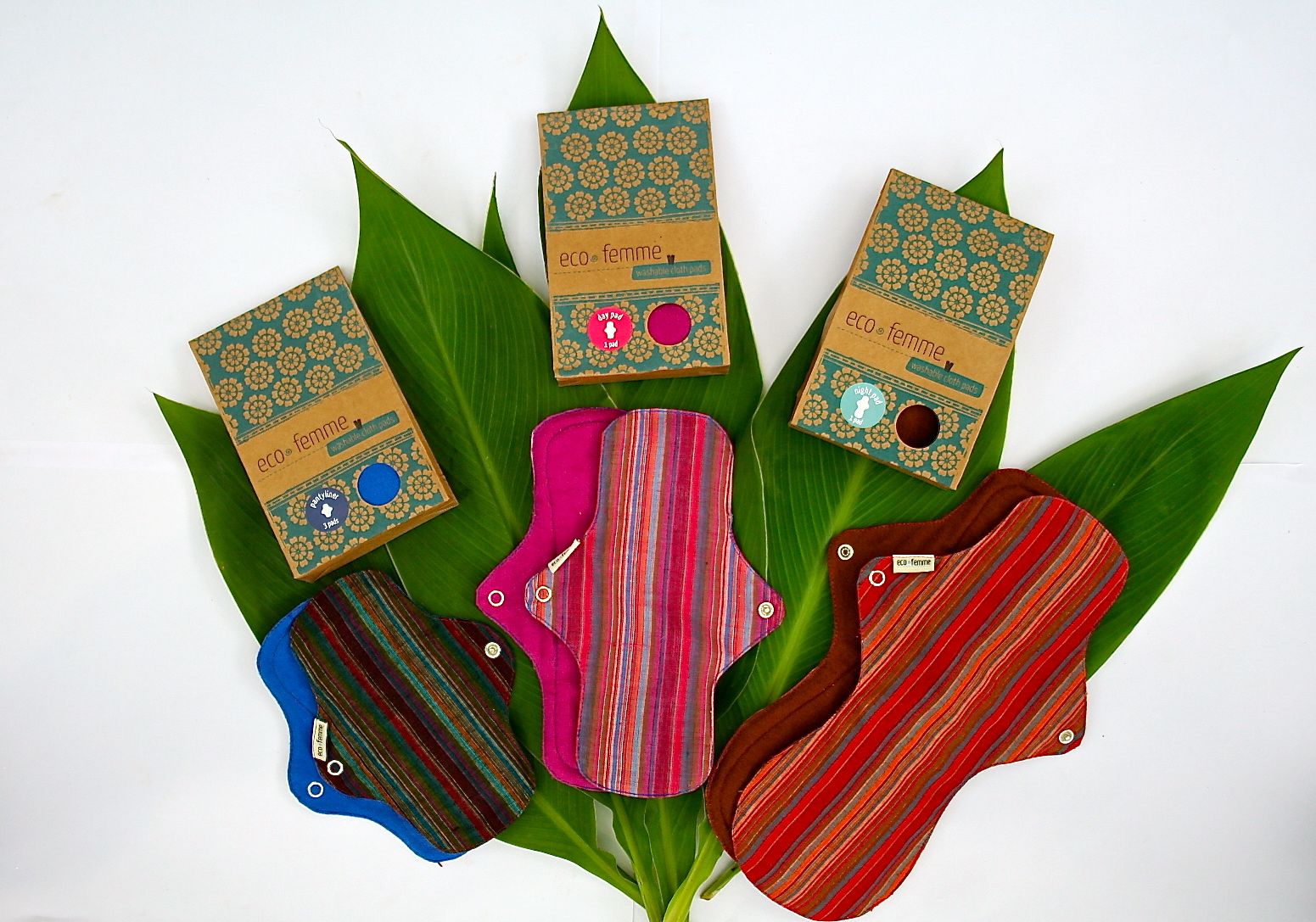
Eco Femme is one of the producers of disposable pads. The pads are made out of cotton with a leakproof protection as well as wings to keep it in place, thus providing the outmost protection for women. Not only are they environmentally and financially friendly, but also fashionable and well made. They come in different sizes and colors and can hence be adapted to different needs. One pad can be washed 75 times before it needs to be replaced. When used it needs only to be soaked in cold water for 30 minutes and can then be machine- or hand washed and sun-dried.  Eco Femme is a social enterprise working for grassroots community development. It started in Auroville, South India, in 2010. Besides the eco-friendly pads, Eco Femme also works with educating girls and women on managing their menstruation.

Image

Personally I believe these pads can make the menstruation into a more positive experience. Instead of stuffing your trash can with used pads, you can choose the EcoFemme pad that best matches your underwear. Make something more positive out of it, and most of all: celebrate being a woman. The wide selection of patterns and colors provides you with the opportunity of making it more personal by wearing colors that makes you happy. They are also splendid gifts for friends, sisters, mothers and daughters, benefitting both them and the environment.

So spread the word and exchange “the bad week” into an environmentally responsible and more positive experience.

/Louise Jönsson Andersson, Linnaeus University

Source: http://ecofemme.org/

Christmas Eve 24th of December 2013

To begin with this day was special for me because it was my birthday. So, to step outside the projects and the syllabus I was congratulated by all my Swedish colleagues fifteen minutes to seven in the morning. I was given a coffee and a cake to start the day with which was great. The price of having a birthday was to miss out on yoga – a loss well worth it.

First place to visit in the morning was Pour Tous. This is a cooperative where all the members pay fees to be able to purchase food from the store. The store has been open for seven years and so far it’s working well. Instead of having a big selection to choose from the concept is built upon a few products where ecology, collaboration and fair-trade are in focus. It was a special feeling walking around in the store where prices were hidden. Only the store management and the economy department know how much all the members were spending. This leads to higher awareness when buying commodities. There are three levels of membership (payments) depending on the needs and the size of the family, they are: small, medium and large. As the focus is on needs instead of spontaneous spending the long-term aim is reached.

The second visit for the day was at Yatra cultural center. The foundation was created in 2005 to promote aesthetic feelings and expressions among children. Many of the classes that the children take are in drama, music, singing, dancing, drawing, painting and theatre. Yatra focus on two main areas when engaging, the first is to sustain the cultural traditions that India, Auroville and the surrounding villages are built on. The second objective is to promote areas of expression that public and private schools ignore. According to Yatra cultural center the school system in India is rigid and not that flexible when it comes to aesthetic subjects.

Yatra cultural center also works with video production and edutainment. Some of the edutainment movies that they produce address solar-cells and recycling of trash. One ingredient that is important is humor; this is the method used to get the potential consumer attached to the issue. The movies shown were funny yet serious at the same time so entertainment and education were combined effectively. Yatra cultural center argues that there are several real cases where social change has been achieved.

The third place we visited was the Dental center. The manager Jacque showed us the clinique and introduced us to the project ADCERRA. This project aims to give 1 billion people in India better dental health-care. This project was started in Auroville and is unique in the sense that it focuses on easy and natural ways of filling and preventive dental care. The main concept is about reaching the rural areas where most people in need live. There’s one main center and ten sub-centers where nurses are taught how to apply dental care in the spirits of the project. The project prefers to train women as they are considered “mothers” in the Indian context. The image of the “mother” in India is respected and revered, thus enabling access to dental health-care.

The fourth project to visit was Naturellement. This organization empowers women through employment. Due to poverty in India many men suffer from alcoholism that affects the whole family. In many cases women are left alone sustaining the household. The organization thus works by promotion a happy and joyful working climate where women can ventilate their problems. So far the organization has succeeded in this area. There is a café-part where people can eat and have a Swedish cinnamon-role. They also produce marmalade, jam or syrup for the Indian market. Issues such as health care and education are commonly discussed. One objective is to make Indians aware of what they are eating and thus promote a healthier lifestyle.

The evening then turned out to be the best birthday ever. We all played a Christmas gift-game where we shared presents that we bought for each other. I ate some cake but also had it smeared in my forehead Hindu-style in the face!     

Carl Larsson, Linnaeus University, Sweden