“The history of mankind is the history of sanitation. It’s the history of shit.”
– Dr. Lucas Dengel, Founder executive of Eco-Pro
You can tell a lot about a city from its sanitation policy. It defines and sets a precedent for the cleanliness and technological advancements of a city. Not only do sewage systems keep a city looking sparkly but also keeps the citizens healthy – as fecal matter carries many harmful diseases that if not controlled safely can spread quickly and become fatal. In India alone, every minute a child dies of dysentery as only 40% of the population have access to a closed sewage system defining a sad part of a beautiful and colorful country.
100 million of the population defecate openly on the street without a toilet. This is problematic because diseases such as Hepatitis, Enteroviruses, Rotavirus, Poliovirus, Giardia, Norovirus acute gastroenteritis, and Dysentery are carried in feces. If a fly, dust particle, fingers, or animals touch the feces and then food the diseases infect unsuspecting victims quickly and efficiently. The governmental also spends extra funds on medical coverage as it reacts to the negative affects of a poor sanitation system – instead of investing in a proper system preventing the diseases where they begin.
So for now the cost of the energy, water, drains, sewage pipes, power supply, operation, and maintenance are expensive, large, and difficult to operate leaving the poorer Indian population to suffer from fecal oral infections – or as Dr. Lucas Dengel, founder executive of Eco-Pro, says: “shit-mouth infections.”
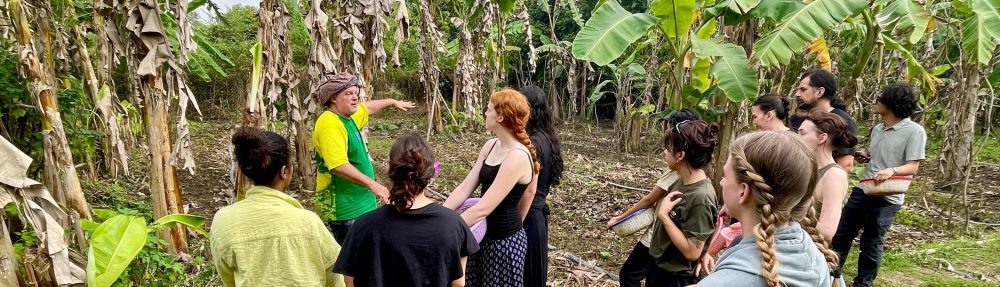
Dr. Lucas Dengel moved to India in 1988 and worked in the Auroville Health Center for ten years and was deeply horrified by the health problems caused by the poor sanitation systems so he developed Eco-Pro, an organization dedicated to providing ecological sanitation solutions on a small scale. Eco-Pro has developed an alternative ecological solution that saves water, re-uses the nutrients found in human waste while at the same time eliminating possible diseases.
Their main weapon, the Urine Diversion Desiccation Toilet, is designed to provide a sanitary, green, and safe solution to sanitation in small villages.
This toilet has three sections:
- Composting and drying chamber for the feces. The user must add sawdust, ashes, bio char, coconut ash or sand to the feces and it will become completely dried out into a dirt safe to use as compost and containing absolutely no smell.
- Urine diversion desiccation toilet (UDDT). This section collects the urine and must be collected regularly and can be put directly into the soil as a fertilizer. And just like the feces – this has zero smell.
- Drain for anal cleaning. This drain also has to be deposited by the user into a soak pit. With a light low pressure cleaning system this will save water and also remain stink free.


Since 2013, Eco-Pro has built 54 of these toilets in small villages in the surrounding Pondicherry area and frequently monitors 48 of them. They also give lectures and workshops in the villages on why sanitation is important and conducted science experiments proving the cost benefits from using urine to fertilize crops.
Eco-Pro has started the beginning of a long process in overcoming the “purity-pollution” gradient in Indian society which is conditioned into a caste system. But it is simple to install toilets, pipes, and an entirely new sewage system into rural villages – the question remains on how to include this model into a larger modern city. Sewage systems in the western world are complicated and gigantic making an ecological approach to sanitation seem daunting and nearly impossible in even a medium sized town. Is it possible to change the social taboos surrounding defecation and urination? As Dr. Dengel explained, we have been conditioned by the media and cleaning products commercial propaganda.
Mindsets need to be molded and brains need to be educated but we remain hopeful, as one large act always begins small. The Aurovillian ecologically sustainable spirit may be able to carry the green sanitation toilet into a larger sphere as Eco-Pro continues to write their own “history of shit” in India one UDDT at a time.
-Sarah Harper-Johnston
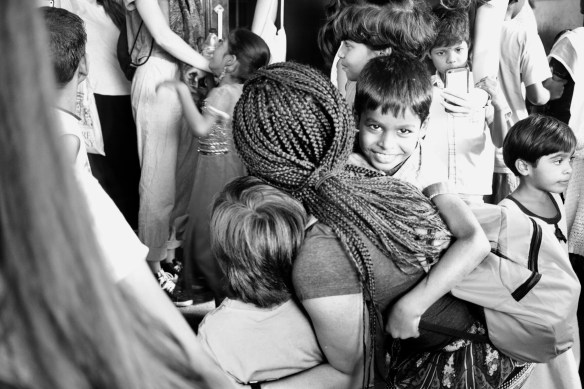


 I have always noticed that people tend to regard the term “Gypsy” as a derogatory one, no matter where in the world and even here in India. The situation is tragic for the gypsy living in Tamil Nadu, especially those suffering from poverty, unemployment, and lack of education and health care. Thus, we are facing a global crisis. On December 17th, AUP students visited the Samugam Foundation and met with Mr. Bruno Savio–the present director of Samugam. The Samugam Foundation is working for the deprived gypsy community along with street children in Pondicherry’s radius. It seeks to provide shelter for approximately 100 disadvantaged children (who are often deemed the “gypsy children”), by providing proper education and extra-curricular activities (such as music, drawing and handicraft works). The latter are assisted and carried on by qualified staff within the organization.






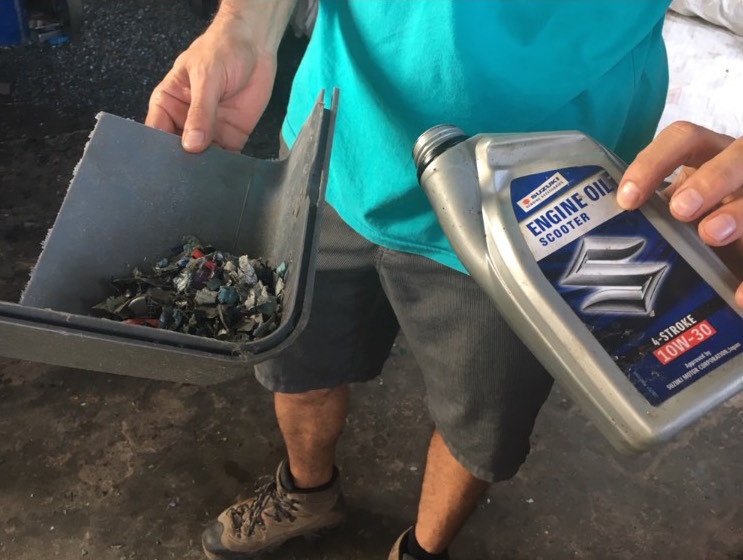
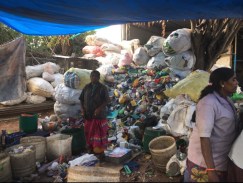
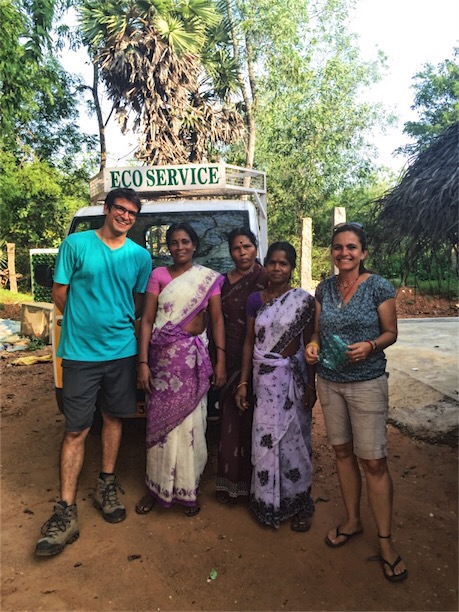 Ribhu (far left) and colleagues at a local recycling plant
 AUP Sustainable Development Practicum in Auroville, India