Pedal Powered Paradise

Experiencing the Freedom of Electric Bikes in Auroville

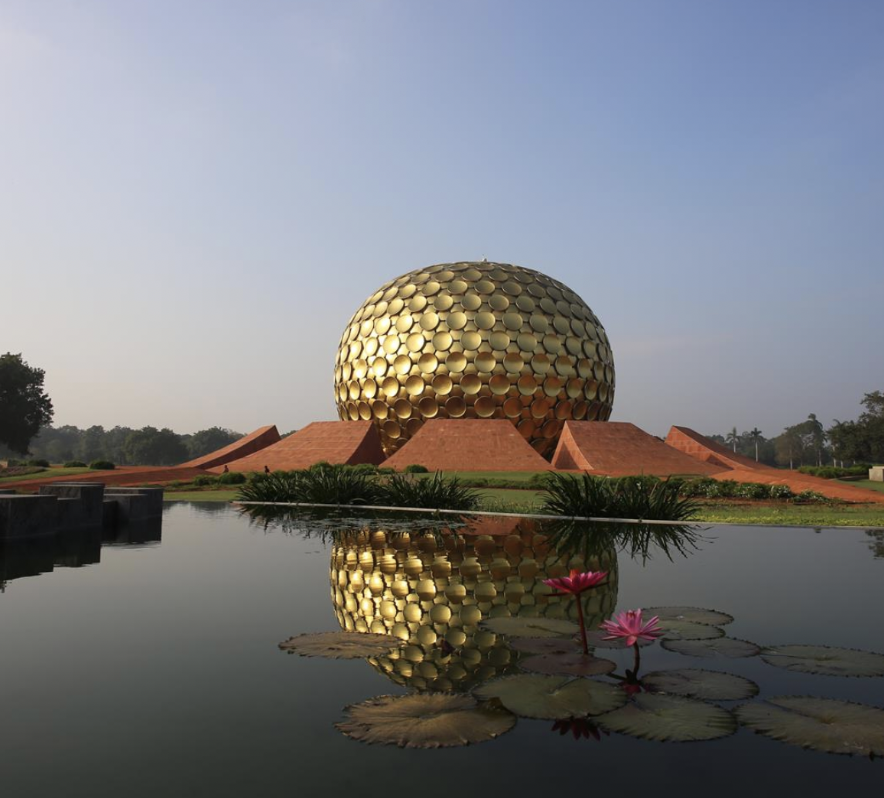
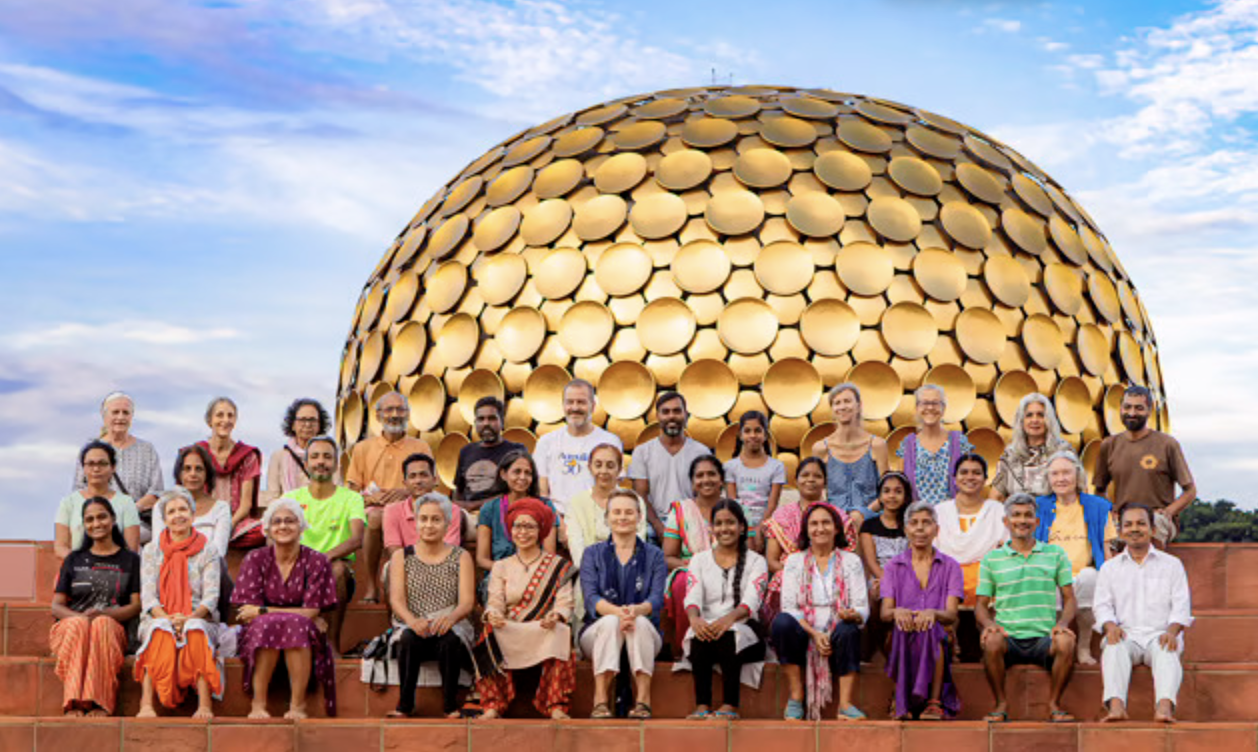
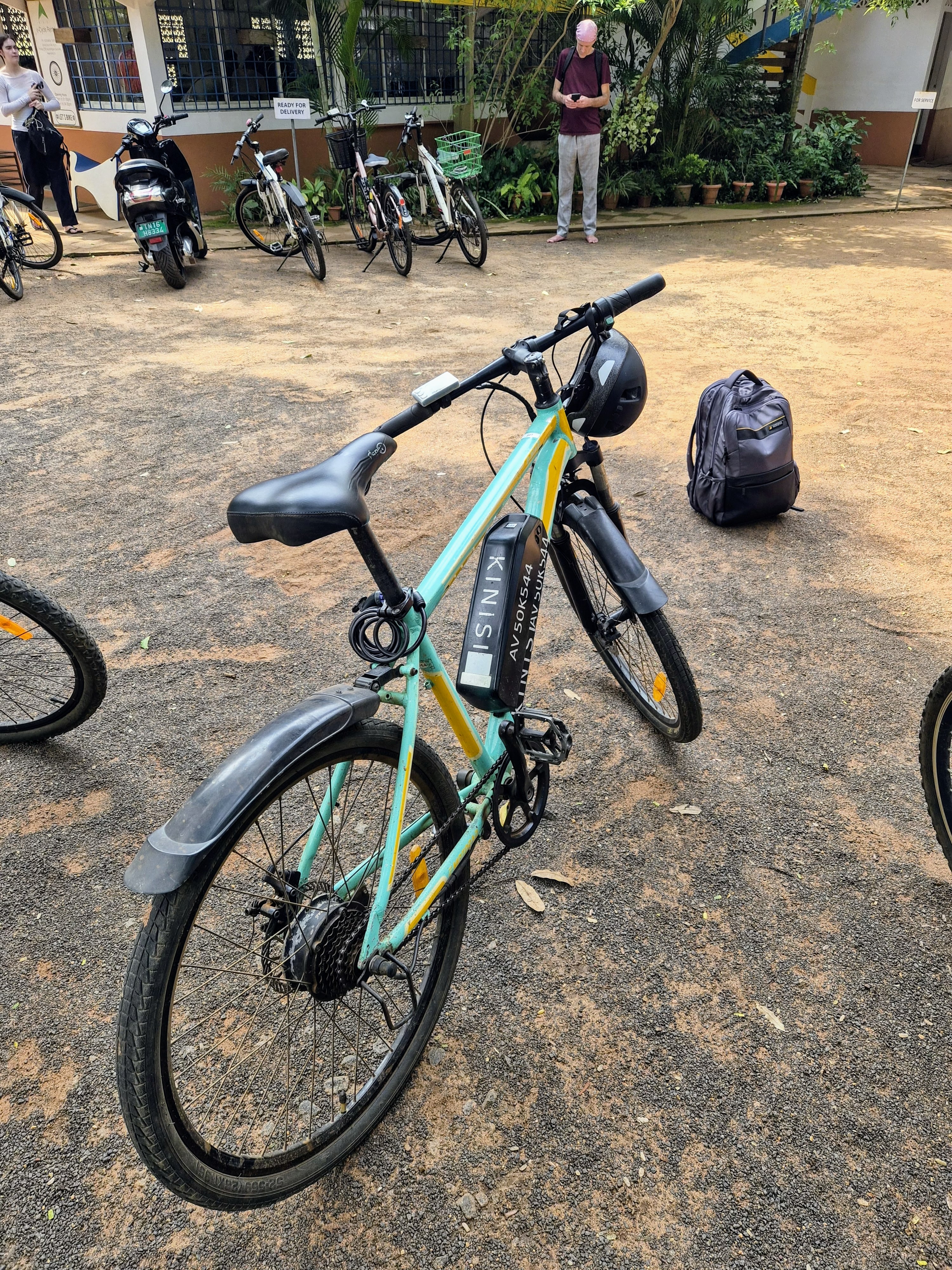
Nestled near the coastal town of Pondicherry, India, lies the extraordinary community of Auroville. This unique experiment in sustainable living and collective human unity offers a refreshing alternative to the hustle and bustle of modern Indian cities. While the spiritual depth of Auroville is undoubtedly a draw, my India Practicum trip was made truly memorable by the sheer joy and freedom of exploring the experimental township on an electric bicycle.

The Initial Thrill: More Than Just a Commute

Having some fear of navigating the standard forms of Indian transport,rickshaws, old taxis, or even the occasional over-packed bus the concept of an electric bike wasn’t entirely novel. Yet, within the boundaries of Auroville, it was a revelation. It wasn’t just about getting from point A to point B; it was about experiencing the journey.

Auroville isn’t an urban grid. It’s a sprawling ecosystem of diverse communities, known as ‘farms’ or ‘villages’, connected by winding red-dirt paths and shady lanes. These paths are designed for slower, more conscious movement, making standard vehicles seem clunky and intrusive. The electric bike, on the other hand, was the perfect fit.

The Freedom to Breathe and Connect

One of the first things you notice about cycling in Auroville is the silence. Gone is the incessant honking and engine roar that often dominates Indian roads. In its place, the gentle hum of the electric motor blends with the rustling of leaves and the songs of local birds. This creates an immediate connection to the environment that is impossible to achieve in a car or even on a motorbike.

This quietness is coupled with an unparalleled sense of physical freedom. The lightweight nature of the bikes, the gentle assistance from the motor, and the winding paths allow for effortless exploration. There’s no stress of traffic jams or finding parking. You simply park your bike on the side of the road and walk into a cafe, an art gallery, or a quiet forest glade. This effortless movement encourages spontaneity, making every detour an opportunity for a new discovery.

A Sustainable Solution for a Sustainable City

While the personal joy was evident, the use of electric bikes in Auroville goes beyond individual experience. It’s a core component of the community’s commitment to sustainable living.

One of Auroville’s key principles is to reduce its carbon footprint. The widespread use of electric bikes significantly contributes to this goal. These bikes are quiet, emit zero tailpipe emissions, and have a relatively low environmental impact compared to internal combustion engines. This helps keep the air clean and the soundscape peaceful, enhancing the overall quality of life in the community.

Moreover, the charging infrastructure for these bikes is integrated into Auroville’s renewable energy grid. Solar and wind power generators provide clean energy for the bikes, ensuring that even their operations are as sustainable as possible. This circular system reinforces the community’s commitment to creating a low-carbon society.

Lessons for a More Conscious Future

My experience with electric bikes in Auroville was more than just a fun holiday activity. It was a glimpse into a potential future—a future where transportation is silent, sustainable, and intimately connected to the environment.

The lesson for my India Practicum trip was clear: sustainable practices aren’t just about sacrifice; they can be about enhancing our daily lives. The simple act of riding an electric bike not only reduced my impact on the planet but also deepened my connection to the community and the natural world.

Auroville showed me that sustainable transport isn’t just a technical challenge; it’s a way to foster a deeper sense of connection and well-being. As I returned to the chaotic reality of standard transportation, I carried with me a new appreciation for the quiet freedom of the electric bike a simple yet powerful tool for a more conscious and sustainable future.

Casual Sustainability: How Auroville Made it the Norm

Throughout our time in Auroville, there was one key thing that stuck out to me: sustainability is typically discussed as something that requires an immense conscious effort, yet in Auroville it seems so second nature. The idea of implementing sustainable practices was a key part of Auroville since its creation, but it was the willingness of the community that got me thinking about what is missing in so many other places. I ended up narrowing it down to three main things: sustainability as structure, culture, and passion. 

Sustainability as Structure

You’ll oftentimes find when the topic of a more sustainable future is brought up in an attempt to enact laws, clarify regulation, or to implement policy, the immediate reaction is that it is inconvenient or expensive, falsely correlating sustainability with extra effort or wasted resources. 

Yet in Auroville, it wasn’t like that. Instead of sustainability being something extra that took away from time, it was just the standard.

The way I began thinking about it is how people talk about time. At some point in their life, almost everyone has wished for more hours in a day. But if everyone was all of a sudden given those hours, expectations of what you could accomplish would simply grow to fill them. 

Sustainability seemed to work in a similar way where when you become used to a certain level of “convenience” it starts to seem like a burden to engage in sustainable practices. Especially within companies, where those who are taking precautions to stay sustainable can feel like they are only incrementally as productive. When a community is set up to be unsustainable and sustainability has to become the extra, where you have to go out of your way to find a recycling bin or where your competitors can make 50 products in an hour when you can only make 5, the community adapts to that mindset. 

But when we were confronted with no other option but to wash our dishes after we ate and to separate our trash, it simply became routine. Being unsustainable suddenly became the more difficult choice, it could cause problems, and it simply wasn’t what the community was set up for.

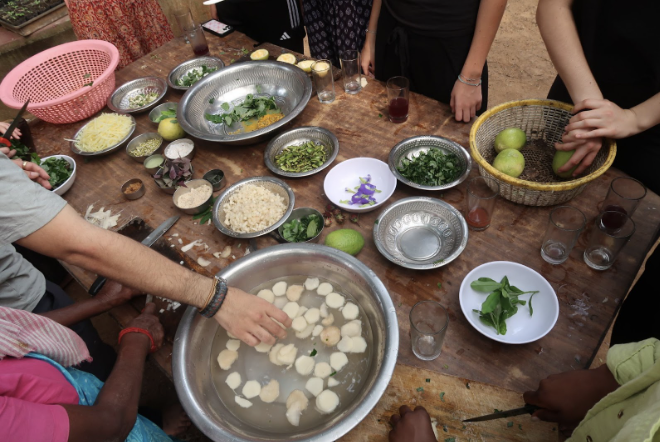
Whether we were watching people make bricks by hand, dye clothes with centuries-old techniques, or hand carve wooden tools, sustainability wasn’t “slower” or “a waste of time” it simply was how things were done. 

Sustainability as Culture

While that structure in Auroville was able to make sustainable behavior possible, the culture is what made it natural. Everywhere we went, nobody complained about how long something may have taken to create or about doing their part. 

There was such a strong culture of people naturally only taking what they needed and a respect for what was already there. Actions never had to be enforced through rules but rather just the expectations from the community itself. A beautiful example of how effort doesn’t need to seem like some burden but can instead become an easy part of life.

Over time it became clear that yes, Auroville was made to be a sustainable community and that is helpful, but it isn’t the rules that determined how sustainable people were, it was themselves. It helps to drag you out of the mindset that this is something you have to do and makes it feel like a choice that respects the Earth and those around you. 

Sustainability as a Passion 

Finally, the thing that I found to be the most important is the passion behind it all.

When sustainability gets brought up on a global scale, the reaction is typically pessimistic. You hear that meaningful change isn’t possible, the new rules will affect simplicity, and that we’re already too far gone. Whether it is separating trash, carrying a reusable bottle, or being a more thoughtful consumer, sustainability is mislabeled as an inconvenience. 

Before Auroville, I believed in this and thought that global sustainability was something impossible, requiring some cosmic shift in mindset. I was wrong. It was never a huge shift, just a rephrasing.

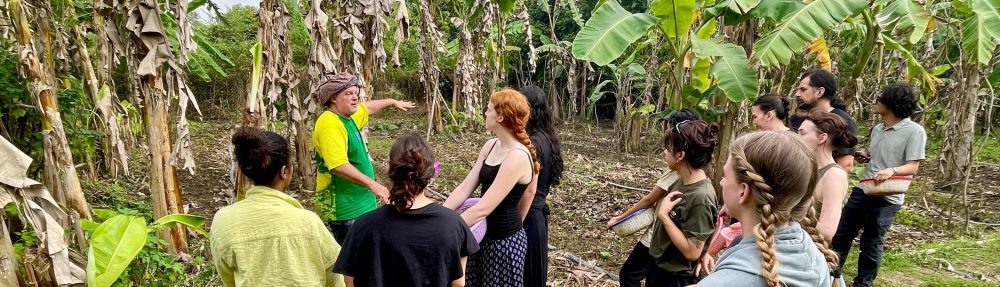
In Auroville I noticed something I can only refer to as casual sustainability. There was no cosmic shift in people or constant talk about how amazing certain actions are for the environment. Instead, there was a quiet sense of pride in everything that was done. As I mentioned, we handmade bricks, watched people dye clothing with original techniques, and learned about what it takes to craft baskets out of paper. None of these things were sustainable to appease customers or to improve CSR, there was a genuine investment in what people wanted to produce. And once again, this was just the norm. 

Ultimately that was the biggest thing I could have ever imagined taking away from our time in Auroville. We can all be sustainable if we set ourselves up to be, because sustainability becomes far more achievable when it stops being treated as a sacrifice and instead is treated as a habit. 

By: Julia Murdock