Sustainability usually arrives with instructions. What to buy, what to avoid, what to fix, what to improve. It often feels like a checklist, or worse, a moral test.
Auroville didn’t work like that.
Instead of telling you what sustainable living is supposed to look like, it lets you notice it on your own. Over time, certain patterns start to repeat themselves. Not in an obvious way, and not as lessons exactly, but as everyday realities that slowly reshape how you think about comfort, excess, and value.
These are a few of the things that stood out.
1. Luxury Isn’t Always Designer
In most urban settings, luxury is tied to choice and control. Being able to customize everything, upgrade constantly, and replace what no longer feels perfect is often treated as a sign of success. In Auroville, luxury shows up in quieter ways.
Here, luxury looks like space to breathe, time without urgency, and environments that don’t ask you to perform. Comfort isn’t created through polish or aesthetics, but through ease. There’s less pressure to consume in order to belong, and more acceptance of what already exists.
It reframes luxury as something experiential rather than material. Less about what you own, more about how you move through your day.
2. Simplicity Works When It’s Normal
Clothing Rack at Colors of Nature Photo Shoot
One of the reasons sustainability feels achievable in Auroville is because it isn’t framed as a special effort. People reuse towels, share resources, and eat what’s prepared without much discussion. These practices aren’t highlighted or praised; they’re simply part of daily life.
When simplicity is treated as normal rather than virtuous, it stops feeling restrictive. There’s no pressure to “do it right.” You adjust naturally, because that’s how the environment functions.
This normalization makes sustainability feel less like a personal burden and more like a shared rhythm.
3. Slow Is a Feature, Not a Bug
Life in Auroville moves at a noticeably slower pace. Walking, cycling, and simple vehicles shape how people move through space. Distances feel longer, but time feels less compressed.
At first, this can feel inefficient. Over time, it becomes grounding. Slowness allows attention to expand. You notice light, sounds, and small changes in your surroundings. Conversations stretch without interruption.
Instead of feeling behind, you begin to feel present. Slowness becomes a form of awareness rather than delay.
4. Community Doesn’t Need Matching Behavior
During events like the Light Mandala meditation, people gather without being asked to behave in a particular way. Some sit still for hours, others move in and out. Children wander quietly, adults adjust positions, visitors observe.
What’s striking is that the lack of control doesn’t disrupt the space. It strengthens it. Shared presence matters more than uniform participation.
This approach to community allows difference without tension. It shows that cohesion doesn’t require sameness, only mutual respect.
5. Objects Are Allowed to Have a Past
Collection of Cameras at YATRA
Throughout Auroville, objects show signs of use. Clothing racks hold items that have already lived full lives. Tools and equipment are repaired, reused, and stored carefully rather than replaced.
There’s no attempt to hide age or wear. Instead, longevity is valued. Objects aren’t treated as disposable, and their history is visible.
This approach shifts how value is assigned. Something doesn’t lose worth because it’s old; it gains it because it continues to serve a purpose.
6. You Don’t Need to Optimize Everything
In many environments, life is optimized down to the smallest detail. Comfort is curated, preferences are prioritized, and inconvenience is avoided whenever possible. In Auroville, optimization isn’t the goal.
Meals aren’t customized. Spaces aren’t adjusted for individual comfort. And yet, these environments feel surprisingly welcoming. Without constant tailoring, participation becomes easier. You stop evaluating and start engaging.
Letting go of optimization removes pressure. What’s left is a sense of ease that doesn’t rely on perfection.
7. Sustainability Isn’t the Point, Living Is
What stands out most is how rarely sustainability is mentioned. No one is trying to convince you of anything. Practices like reuse, shared meals, and slow movement exist without explanation.
Because of that, they endure.
Sustainability here isn’t treated as an identity or an achievement. It’s a byproduct of how people relate to space, time, and one another. It works because it fits into everyday life rather than standing apart from it.
The Takeaway No One Gave Me
Auroville didn’t offer a formula or a lifestyle to adopt. It offered a different way of paying attention. To time. To comfort. To excess.
Sustainability here isn’t aspirational. It’s practical. It doesn’t demand perfection, only awareness. And once you start noticing how much can be gained by needing less, it’s difficult not to carry that perspective with you.
What is Sadhana? A Mission Rooted in Compassion and Action
Stepping into Sadhana Forest, I found myself immersed in a space where every detail, from upcycled tire sculptures to solar-powered utilities, reflected a commitment to creating a better world. Removing our shoes and entering the main hut, which is made completely from natural materials, we were immediately impressed by the possibilities of another way of living.
Nestled over 70 acres near Auroville, this remarkable initiative goes beyond reforestation—its mission is to foster ecological restoration, compassion, and selfless service as part of a global movement.
Sadhana Forest, founded in 2003 by Yorit and Aviram Rozin along with their 1 year-old daughter, began with one family and a dream: to restore the native Tropical Dry Evergreen Forest (TDEF) ecosystem while creating a community built on kindness and inclusion. Today, that dream has blossomed into a global network with projects in Haiti, Kenya, Namibia, and multiple locations across India, inspiring thousands to take action for the environment and humanity.
Natural regeneration of Sadhana Forest from satellite
Aviram began our visit with an introductory talk on the philosophy and works of Sadhana. He explained that Sadhana means the search for the truth on one’s spiritual path, and their path and great effort has been reforestation and spreading a culture of vegan compassion. One of the things that stood out most was the emphasis on inclusivity. Sadhana Forest welcomes everyone, regardless of background, with only minimal time commitments (10 days for Indian volunteers, 20 for foreigners). This openness creates a space where diverse perspectives come together, fostering collaboration rather than competition.
After starting with one family, today there 37 long term volunteers, including half a dozen growing families, as well as 60+ volunteers, who are currently giving between 1 and 10 months of their time. He explains that Sadhana has the capacity to host up to 195 people, making clear that they will never say no to anyone that may come. Answering a question from the audience of over 100 people, he explains that those that who come for short term contribute money for their food (3 meals a day), while long term folks are supported by the community, giving back through their time and labor.
Just like the forest, Sadhana is growing. Their future plans include integrating differently-abled individuals into the organization, as well as creating an orphanage for children with HIV, further illustrating their commitment to inclusivity and compassion. However, they’ve already expanded from their initial Auroville experiment to a total of 7 other centers – 1 in South Tamil Nadu, 1 in Kenya, 1 in Namibia, 1 in Haiti, & 3 in Northern India.
Sadhana Forest Haiti
After the introductory talk, Aviram takes us on a tour of the campus and an exploratory walk in the forest. It’s remarkable to me that walking barefoot through the forest, while avoiding painful stones and roots, one is reminded of the intentionality required in each step—an apt metaphor for the care and mindfulness that defines this community.
Water Conservation Strategies
Sadhana Forest is, as the name suggests, a forest, but for a forest to thrive, one essential ingredient is needed: water. When Sadhana Forest began, it was little more than a barren wasteland, plagued by water scarcity like much of Auroville. Water conservation became the cornerstone of their reforestation efforts, and their strategy revolves around the Triple S method— Slow, Spread, Sink.
Aviram explains that the team strives to catch every drop of rainwater as close as possible to where it falls. Interestingly, in water conservation, low-lying lakes are a sign of failure in water conservation. Such lakes indicate that water has flowed to the lowest point of the slope rather than staying on the land where it fell—vital for nourishing the soil and replenishing the underground aquifer. To counter this, Sadhana Forest employs a method called on-contouring, maintaining water at its topographical height instead of allowing it to run downhill. This ensures that rainwater not only sinks into the soil to nourish plants but also replenishes the groundwater aquifer.
The success of these water conservation efforts is evident throughout Sadhana Forest. Aviram highlights that retaining water on the land has allowed for the natural regeneration of vegetation. Interestingly, he observes that natural regeneration fosters greater biodiversity compared to human-planted species. He likens it to designing one’s own home—wildlife, as the true inhabitants of the forest, can create an ecosystem tailored to their needs, rather than adapting to a pre-designed system imposed by humans. Indigenous plants, spread by wildlife through seeds and droppings, establish a harmonious and self-sustaining ecosystem far superior to human-centric reforestation.
As we walked through the forest, Aviram pointed out various plants and explained their roles in water conservation. One striking example was vetiver, a grass with exceptionally deep roots that stabilize the soil and retain water. Similarly, the dodonaya plant thrives in arid conditions by capturing water from the air and storing it in its roots, helping to create moist, fertile soil. We also saw other water conservation techniques, including gabions (stone-filled metal cages), swales, and a man-made lake. The lake, while not ideal for the Triple S method, was a necessary adaptation due to the practices of a higher-elevation neighbor who doesn’t prioritize water conservation. Sadhana Forest has had to capture the water that runs off from this neighboring property to prevent it from being wasted.
Aviram pointing out a water conservation technique, a swale
During our visit, a curious tourist asked how Sadhana manages to address mosquitoes while maintaining their vegan and “do no harm” philosophy. Aviram explained that the key lies in controlling standing water, which disrupts mosquito breeding. Rather than killing mosquitoes, they simply ensure there’s no stagnant water for them to thrive. With a smile, he added that if any do appear, he prefers to swat them away gently rather than harm them.
Sadhana Forest’s water conservation strategies not only nurture a thriving ecosystem but also embody their broader values of harmony and sustainability. Their ability to transform a barren landscape into a flourishing forest is a testament to the power of intentionality and care for the Earth.
Fostering Sustainable Living
When we return from our forest walk, we are immersed in the heart of Sadhana’s community. Living at Sadhana Forest is a lesson in intentionality and simplicity. Every aspect of the community is designed to minimize environmental impact while fostering connection and joy.
The homes and dorms are constructed from renewable materials such as wood, granite, and tetrapacks (recycled milk cartons). Short-term volunteers sleep on rope beds, emphasizing the community’s low-impact ethos. Even everyday tasks like washing and cleaning reflect this intentionality—plates are cleaned using natural materials like coconut husks, ash, lemon water, and vinegar, ensuring all waste is biodegradable. Their handwashing stations are ingeniously simple, using cups with small holes that allow water to flow gently, paired with naturally derived soap. This clever design minimizes water waste while maintaining hygiene.
Sadhana Forest operates completely off the grid, a testament to its commitment to sustainable living. Aviram shared a nostalgic story about the community’s early days, when they used dynamo bikes to generate electricity before transitioning to solar panels and wind turbines. Although no longer in use, the bikes are preserved as a reminder of their humble beginnings. Today, all Sadhana sites around the world—whether in India, Kenya, or Haiti—are powered entirely by solar and wind energy, providing reliable electricity and hot water. While they occasionally face challenges during heavy monsoon seasons due to cloud cover, their resourcefulness ensures sustainability remains at the forefront.
The kitchen is also a hub of activity and efficiency, equipped with industrial-sized pots and pans and a large reverse osmosis water filter to maintain the highest standards of hygiene. That evening, we enjoyed a delicious vegan dinner made from locally sourced ingredients—a meal that reflected the community’s values of sustainability and compassion.
The Sadhana Forest community kitchen
After dinner, the team shared short videos detailing the mission and history of Sadhana Forest. The evening concluded with a powerful 45-minute documentary on veganism, which explored the devastating impacts of industrial agriculture on climate change, human health, and animal welfare. The statistics were staggering: 30 million deaths globally linked to lifestyle-related diseases, the overexploitation of 90% of the world’s fisheries, and the brutal realities of dairy and egg farming. The documentary was both eye-opening and transformative, reinforcing the message and values at the heart of Sadhana Forest.
Our delicious vegan dinner provided by Sadhana Forest
The Values of Sadhana
At the basis of Sadhana is its vegan ethos of compassion. Aviram explains that veganism is more than just a diet; it’s an extension of their mission to live in harmony with nature and ensure that resources are used equitably and efficiently.
The first form of compassion is of course towards the land, which they seek to help prosper through their forestry, and from which they take no more than what they need. All of the buildings on the property are made from from natural materials. The second form of compassion is towards animals. Aviram makes it clear that the love of animals is central to Sadhana, and that no animal deserves to be tied, raped, or exploited in any way. I really appreciated that Aviram stressed the fact that animals have a right to live, even if they don’t give you something. It was nice to step out of the typical anthropocentrism, and he reminded us that part of Sadhana’s mission is to create a world without speciesism; other beings and nature are not just there to serve humans. This was reflected in the forest’s Guashala, a cow sanctuary for abused and abandoned cows. There, the cows are treated with the utmost respect with wonderful veterinary care, fresh water & food, & love. We were lucky enough to attend a cow connection workshop, where we bonded with a beautiful bull named Vishnu.
Our Cow Connection Workshop
The third example of compassion is compassion towards children. This was actually one of the most interesting and potentially controversial aspects of their philosophy. At Sadhana, they believe in natural learning & they call it “Unschooling”. Instead of sending their children to formal schools, they prioritize time spent with family and community, allowing learning to emerge naturally through curiosity and exploration. For example, if a child sees an airplane and asks about it, their parents might explain that people are flying through the sky from one place to another. This simple explanation could spark a deeper curiosity, leading the child to explore concepts like aerodynamics, engineering, or math.
I find this mindset inspiring—it celebrates freedom and the innate curiosity of children. When balanced with some structure or formal learning, it could provide a wonderful foundation for creativity and critical thinking. However, taken to its extreme, this philosophy can have drawbacks. I’ve heard anecdotal cases where teens raised in such environments struggled with basic skills, such as writing their own name. Nonetheless, Sadhana’s approach challenges us to rethink education and reminds us of the power of curiosity-driven learning.
Finally, Sadhana Forest embraces collaboration over competition, intentionally fostering an environment where individuals work together rather than competing against one another. This philosophy extends into their economic system, where they practice a gift economy—a model rooted in kindness, generosity, and the joy of giving. At Sadhana, everything is offered freely, with no expectation of reciprocity. Meals, education, and workshops are available to anyone who comes, all provided as acts of care and compassion.This approach profoundly disrupts the typical capitalistic incentives of greed and transactional exchanges. Instead, the gift economy shifts focus to the intrinsic value of giving and creates a space where every action is imbued with thoughtfulness and care. It encourages people to give not because they must, but because they wish to contribute to something greater than themselves.
Aviram, the founder, explains that Sadhana Forest is a place designed to remind people that kindness still exists in the world. By offering this generosity unconditionally, Sadhana hopes to inspire a deeper connection between people and their values. This is also why veganism, a core tenet of Sadhana, is framed as an extension of kindness—toward animals, people, and the Earth. In this way, the gift economy not only sustains Sadhana Forest but also embodies its mission of compassion and community, creating a living example of a world driven by care rather than commerce.
Sadhana’s Projects: Global Reach, Local Impact
Beyond forestry, Sadhana Forest offers a variety of innovative and impactful activities that reflect its broader mission. One such initiative is Children’s Land, a 2.7-acre space launched in 2009 to empower children to engage creatively with sustainability. Here, children initiate or participate in activities as they choose, fostering independent thinking and a deep connection to the natural world. This program has been met with enthusiastic feedback from children, parents, and teachers, inspiring Sadhana to expand its reach. Another cherished initiative is the TeaHut, which serves free, vegan tea every weekday, embodying Sadhana’s commitment to inclusivity and generosity. The community also nurtures personal and global transformation through its University of Compassion, offering workshops and programs that align with its values of kindness and sustainability.
While Sadhana Forest began in India, its philosophy has transcended borders. In Kenya, the organization collaborates with the Samburu tribe to plant indigenous, drought-resistant food forests, ensuring biodiversity, food security, and shade for local communities. In Namibia, long-term volunteers work closely with local populations, committing to year-long stays to fully integrate and address community-specific needs. These global projects not only restore degraded ecosystems but also empower local people to reclaim and protect government-designated “wastelands” from encroachment. By doing so, Sadhana Forest fosters a deep sense of ownership and connection to the land.
These initiatives are unified by a single vision: to heal the Earth and cultivate compassion through reforestation, water conservation, and community building. Supported by individual donations, grants, and partnerships with organizations like UNDP and the Government of India, Sadhana Forest’s work has garnered global recognition. Whether through planting trees or empowering the next generation, Sadhana Forest remains a testament to the transformative power of sustainability, kindness, and collaboration.
Reflections on Community and Connection
Sadhana Forest offers a powerful model for addressing global challenges like deforestation, water scarcity, and social inequality. By combining ecological restoration with a philosophy of compassion, they demonstrate that sustainability isn’t just about planting trees—it’s about redefining our relationship with the Earth and each other. Their initiatives, from Children’s Land to global reforestation projects, are a testament to the transformative potential of intentional, community-driven action.
Take, for example, Amman, a former corporate professional from Bali, who left the comforts of a cushy job to join Sadhana Forest. His motivations stemmed from a deep commitment to veganism, a love for animals, and a yearning for a sense of community that capitalism failed to fulfill. Now, he spends his days planting in the wet season, mulching in the dry season, and caring for the cows in Sadhana’s sanctuary. Amman’s story reflects the larger ethos of Sadhana Forest: finding purpose and joy in simplicity, compassion, and shared effort.
On a personal level, my time at Sadhana Forest inspired me to reevaluate my own habits and assumptions. The intentionality of their work—from water conservation to vegan living—reminded me that small, thoughtful actions can lead to profound change. Every initiative, whether it’s teaching children about sustainability, empowering local communities to reclaim their land, or fostering kindness through a gift economy, serves as an invitation to think differently about how we live and what we value. My visit to Sadhana Forest was more than just a tour; it was a call to action and reflection. In a world often dominated by division and exploitation, Sadhana Forest stands as a beacon of possibility: a place where kindness, sustainability, and community thrive together.
How can you support Sadhana Forest? By becoming a regular donor. Aviram emphasizes that their primary source of income is individual donations, and while the size of the donation matters less, its consistency is key to sustaining their work. With tax-exempt status in multiple countries, supporting Sadhana is both impactful and accessible. I invite you to explore their programming and become part of this inspiring movement at the link here. Together, we can help Sadhana Forest continue to grow, heal, and inspire.
In the heart of Auroville, a beacon of participatory development shines bright, driven by a simple yet profound mantra: empower communities to shape their destinies. The Auroville Village Action Group (AVAG), since its modest inception in 1983, has blossomed into a powerhouse of collaborative efforts, breathing life into the dreams of marginalized groups and striving for a harmonious, secure, and resilient society.
At the core of AVAG’s mission is the belief in inclusive development. Their stakeholders form a diverse mix, including women, men, youth, school children, teachers, farmers, and both traditional and elected leaders. Yet, it is the most marginalized—the single women, the elderly, dalits, farmers, artisans, and small business owners—who occupy the center stage of AVAG’s unwavering commitment.
To begin our visit, Makizh Selvam, the office manager, welcomed us into the world of AVAL—a brand crafted by women for the benefit of women. AVAL, meaning ‘she’ or ‘her’ in Tamil, is a social enterprise born from the nurturing hands of AVAG that seeks to uplift the aspirations of marginalized women through skill development in tailoring and crocheting. Every handcrafted product emanates love and devotion, a tangible symbol of self-reliance and self-empowerment. AVAL stands as a testament to the convergence of rural women and urban designers, creating products that embody beauty both inside and out. In a span of 7-8 years, AVAL has become a sanctuary where conscious consumers find more than just products; they find a connection to a cause.
After we perused the racks of the AVAL shop, Anbu Sironmani, AVAG’s Director, shared more information on the organization’s key initiatives. Community development, capacity building, economic growth, and psychosocial support form the pillars of their holistic approach. From personality development to agriculture, AVAG’s initiatives encompass a spectrum as diverse as the communities they serve. Particularly noteworthy is their emphasis on participatory economic growth, ensuring that the development of marginalized groups is rooted in genuine needs and inclusive practices.
AVAG doesn’t just offer support; it nurtures resilience. The psychosocial support they provide is a lifeline, weaving a safety net of mental and emotional well-being for individuals facing stress and trauma. In AVAG’s world, empowerment is not just a concept; it’s a tangible reality carved out of genuine understanding and collaborative effort.
If Auroville is a tapestry, AVAG and AVAL stand as vibrant threads, weaving dreams of empowerment, resilience, and a community where every voice is not just heard but celebrated. They are crafting a narrative of inclusivity that resonates far beyond the borders of Auroville—a testament to the transformative power of community-led development.
In the heart of Auroville lies a green haven with roots dating back to 1969—AuroOrchard, the second-largest farm spanning 44 acres. Nestled on one of the oldest plots in the community, this agricultural gem serves as the lifeblood, cultivating not just fruits and vegetables but embodying a mission to nourish the Auroville community.
Initiated with a clear directive from The Mother herself, AuroOrchard’s purpose transcends the mere provision of sustenance. It’s about quality and quantity—a commitment to ensure that the community thrives on the fruits of the land it calls home.
The farm boasts a diverse produce portfolio, ranging from fruits like papaya, lime, avocado, and jackfruit to a rich array of vegetables, medicinal herbs, teas, loofah sponges, and even grass for making brooms. AuroOrchard isn’t merely a farm; it’s a self-sustaining ecosystem, featuring cows that contribute not only to the dairy aisle but to the farm’s fertility through their dung and urine.
The farm’s organic metamorphosis started in 2012 as they began to embrace regenerative organic farming (or agro-ecology.) Beyond sustenance, the focus pivoted towards enhancing soil health and overall farm ecology. AuroOrchard’s transformation mirrors Auroville’s overall commitment to sustainable living.
A significant leap forward involves the systematic recording of production data, a crucial step towards a more efficient future. The farm aims to capture insights into production cost, seasonal crop productivity, and overall productivity metrics. In embracing this data-driven approach, AuroOrchard aims not just to cultivate crops but to cultivate a resilient, sustainable future. The farm doesn’t merely grow; it thrives, adapting and evolving as it continues to contribute to the vibrant agricultural scene of Auroville. AuroOrchard stands as a testament to the power of community, sustainability, and the perpetual cycle of growth.
A lovely and quaint white, yellow, and blue building sits amidst the bustle of the Center for Science Research. Here you can find a garage, workshop, and co-working space belonging to Kinisi. This organization works around supplying Aurovillians, their guests, and tourists with electrical cycles in a move to shift the heavy reliance on diesel. Their newest path of expansion has been targeted towards the thousand workers that commute to and from Auroville Not only reducing people’s carbon footprint, the initiative is helping save money as well. The average litter of diesel costs 100 rupees. In contrast with their subscription program for a monthly fee of 1,000 rupees including any repairs, maintenance, and modifications for ease of use, this saves commuters a hefty sum. (When they say, repairs and maintenance, they mean it! On my way around Auroville, my Kinisi bike chain popped off. I parked it, and after getting in contact with them, I went off to complete my errands. When I returned it was fixed and left right where I had left it!)
They estimate that within Auroville, they have a constant 350 subscriptions. All the technical work that goes into the program happens in the workshop out back where they house a Research and Development department, a maintenance department, and a storage space for old batteries. One of the biggest critiques of electronic travel is the problem with pollution and waste generated by batteries. Batteries have a complicated disposal process due to the components and acids in their makeup that can cause dangerous situations if not managed properly. However, Kinisi has put forward an initiative to repurpose these batteries for solar panel energy collection. In our short tour, our guide explained to us how their batteries are made of 20 to 30 cells. The moment a single cell has lived out its lifetime, the battery is unusable. Thus, they collect these in hopes of making use of the rest of the cells or finding a way to repurpose them or dispose of them properly after the fact.
Located upstairs in a building behind their workshop, you’ll find their unique co-working space. With strong broadband Wi-Fi, coffee, meeting spaces, and places to take work calls, this new initiative has started to take off quickly. With the many different types of visitors that enter Auroville, the co-working space is an important tool. Especially because in my limited experience here, wi-fi and a quiet place to work are two things that are rarely found together. Thus, this dynamic and quickly improving organization is one to keep your eye on, whether for finding a place to work or finding a quick and easy way to zoom around the areas of Auroville. But move quick! The e-bikes are in high demand!
The Auroville Village Action Group is an organization that works with local villages to develop programs that benefit the members of rural communities, focusing especially on the marginalized. As the first organization visited during the practicum, we were all eager to learn about the impact of AVAG’s work. Upon arrival, we were greeted with a brief tour of a workshop, where a group of women crocheted, sewed, and trimmed fabrics. Next door, a small boutique displayed the finished goods. There, I noticed some products that are also available for purchase at the Visitor’s Center. Nearly everyone in our group walked out of the shop with a new shirt, bag, pouch, or pair of pants. Some even adopted a new animal, albeit a crocheted one.
We met Anbu, who currently runs the NGO. Founded in 1983, the Auroville Village Action Group is one of the oldest organizations in the area, and their mission continues even after the founder, Bhavana, passed away in 2011. In societies that place men in superior positions to women, inequality is so ingrained that it becomes normalized and internalized. As explained by Anbu, AVAG’s efforts to combat social injustice result in initiatives such as the Economic Development Program, which aims to reduce poverty by increasing financial opportunities within these communities. They provide women with profitable skills training and then employ them at AVAL, their own fashion brand. Working women gain confidence in being financially supportive members of their households, families, and communities. Strategies extend beyond economic security and delve into emotional and physical wellbeing as well. They offer psychosocial services, which have decreased the suicide rate among women by holding counseling sessions and collaborating with self-help groups. Additionally, the organization’s emphasis on community development encourages people of all genders, castes, and religions to find solutions to common problems and build a better bioregion for all to succeed.
AVAG is a central pillar that bridges the gap between Auroville and surrounding villages. They not only advocate for progress but actively create change.
When we throw something away, we are effectively denying ownership of it. Most of what we own is purchased, if not gifted, meaning that at some point in time we claimed responsibility over an object for reasons of necessity, convenience, or indulgence. Yet, it is so easy for us to take items that are still in good shape and toss them in the bin, never to be seen again. We could reduce waste and make the world a better place if we valued our possessions for the use we could get out of them rather than chasing the next new, shiny product. If that still doesn’t appeal to you, a lot of money can be saved in the process as well. It is no secret our society has a serious waste issue, but a lack of awareness and education on the topic prevents real change from taking place.
The OK Upcycling studio in Auroville is dedicated to tackling the waste problem at a local level. By reusing discarded materials, they create products and give them a new purpose. Upon entering the warehouse, AUP students were amazed to find artwork, handbags, furniture, and clothing all made from what we usually consider to be garbage. Ok-jeong, a South Korean artist who runs the studio, shared her passion with us during a tour of the studio. Perhaps the most striking aspect of our visit was learning about the team’s expertise in lighting fixtures. After a brief lesson on how lighting can affect our mood and behavior, designer Darren demonstrated his light beam diffuser made entirely out of DVD casings. My peers and I were enlightened, to say the least. His apprentice, Jasper, then showcased his own creations, which included an old orange umbrella repurposed as a lamp with a warm glow. Another ceiling lamp hanging in the studio was made out of sunglasses in the shape of an orb.
Seeing the beauty in trash is a skill that takes practice. The team has a sharp eye for style and practicality, along with an unmatched sense of creativity. They highlight imperfections and flip our perspective of what can be considered valuable.
Launched in 2001, this community cultural center was designed to serve as a needed connection between Auroville and its surrounding Tamil villages. While the majority of Aurovillian residents hail from international origins, the communities in the surrounding bioregion are mostly Tamil. While each are connected in their appreciation of spiritual and environmental protection, Mohanam Cultural Center adds another layer of protecting the art, music, and literature indigenous to Auroville’s chosen setting. It focuses on preserving and showcasingthe traditional and cultural heritage of Tamil Nadu’s people, self-described as a, “hub for bio-region art, culture, education.
Balasundaram, the Founder and Creative Director, has led the center and its experimental bamboo farm for its full two decades of existence and has experienced each success and hardship in tandem. Mohanam began in the oldest building in Sanjeevinagar, after being restored by the initiating group. The current five-acre campus of the new Heritage Center and Activity Hall plans to celebrate their official inauguration in February 2023 after undergoing final infrastructure renovations.
The center itself hosts an impressive array of events, both educational and engaging,that invite all in the area to learn more about the culture they are surrounded by. Mohanam works to educate youth on local, traditional history through activities like yoga, folk dances, class trips, art therapy, and many more. Because of the challenge felt by increasing globalization, many traditional customs are more vulnerable and subject to loss. In direct resistance of this possibility, the center chooses to focus on preserving, “the beauty, traditions, innovations and the continuing evolution of South Indian arts and culture.”
They also organize a night school, summer art camps, and a heritage kindergarten to help foster education of many different generations. They have held Village Heritage Festivals, offering traditional Tamil games, craft markets, and performances with the help of the Puducherry tourism department.
A strong focus of the center is also water conservation education, headed by women in the community. This water project has been in place for over 20 years and reinforces the shared responsibility of clean water stewardship. Our group was taught the strong cultural link to water in Auroville’s bioregion, specifically with lakes being used as sites for weddings, ceremonies, and other sacred gatherings. The project also serves as part-time livelihood for the women, providing both income and a safe environment to share. This unique blend of environmental sustainability and inner development is truly emblematic of Mohanam’s guiding values.
Our French program visited the center within the large array of Aurovillian NGOs and non-profits to learn more about their unique position striving to serve as a bridge between different crafts, cultures, and generations. Specifically attempting to bridge the gap between Auroville residents, who often come from other countries, and the Tamil speaking communities that surround the eco-city has been a difficult task. Balasundara shared some of the innate obstacles that come with trying to realize their mission, for instance becoming a scapegoat for many issues or facing stagnancy from governments when discussing environmental protection.
This governmental hesitation comes from, again, a unique obstacle faced by many environmental sustainability NGOs in the region. Because of the preceding colonial French territories, Puducherry is made of geographically disconnected areas within Tamil Nadu. This makes any project aiming to help protect or revitalize the environment difficult to pass through two separate bureaucratic approvals.
But the split between Tamil communities and Auroville was among the most interesting dynamics our group learned through our visit. Many within Auroville’s core leadership team that hail from the overarching government have been advocating for the city’s expansion of both infrastructure and population. A proposed numerical goal of 50,000 within the next 10 years has failed to include the surrounding Tamil villages as part of the existing community. These numbers plan to bring more residents from outside countries instead of incorporating these communities that are already in place. To hear from this community center about these issues was very illuminating and could serve as a case study for others to learn more about techniques used to connect different cultures in a united cause while being cognizant of its unique history.
“This is not a Gym. This is a Physical exploration center where we train the body in relation to the mind and the spirit”Vikram explains.
Image Credit: Stella Sagini
Vikram is the founder and chief trainer at Dahistki Physical exploration center at Auroville. He began training back in 2000 and so far has trained 3,000 people, tailoring a custom based training for each individual.
He came from a rough neighborhood in Chennaiand overcame physical abuse to pursue a successful career in cricket for the Indian League. He was catapulted to great wealth and splendor when he played cricket, however, he walked away from it all to start his journey of self healing.
In Dahistki there are no mirrors, he explains that there is no time for vanity here just working on the body, mind and spirit. We are invited to explore and tinker with the gym equipment and feel free to ask any questions.
Image Credit: Stella Sagini
Vikram is calm and speaks in a low monotone, and I listen closely to every answer he gives. I start with a light question. “How many Tatoos do you have?” Which he responds “95”.
Most of them are Hindu and others connect with The Mother’steachings. On his forehead he has the words inscribed in French “Raison d’etre’’loosely translated in English as the reason for being. He explains that we all need to know why we are alive, once you don’t you are dead.
Vikram came to Aurovillebecause of the Mother’s teachings. During his study and journey of spiritualism and self-healing, he came across her teachings and was inspired to visit. While he was at Auroville he was inspired by how Aurovillians used their work in service of others and wondered how he could contribute. He decided to open the Dahiksti Exploration center to train and guide others on their own self-healing experiences as well.
Image Credit: Stella Sagini
Vikram has more peace and balance in his life but admits that he still struggles with his own personal baggage. “I know, I look like Gorgio Armani on the outside, but inside I was rotting”. We all struggle as a human race but life is journey and we all stumble from time to time.
Image Credit: Stella Sagini
Dahistiki is free of charge to all Aurovillians and he doesn’t accept any gifts or donations from clients. He notes that some clients are ecstatic about the major transformation in their lives after the program and prod to donate. Rejecting one’s money makes clients uncomfortable as they aren’t accustomed to this in the outside world. However, he insists if you want to give back, clients should do it in service.
Image Credit: Stella Sagini
We have visited social enterprises and other non-governmental organizations that deal with climate change, capacity building and recycling but this was unique, as it falls under physical exploration. Its vision isn’t run by any goals like the MDG’s but a growing need to reflect on Mental Health. In 2019, Prince Harry launched Heads Together and initiative aimed at changing the conversation and stigma around Mental Health. Prince Harry has called for the “grin and bear it” culture of mental health to be reassessed in the wake of his controversial decision to step back from the Royal Family. The Duke of Sussex and Oprah are currently working on a TV series to be launched this year discussing the importance of mental health.
According to the World Health Organisation report in 2015, over 56,000,000 people suffered depression, that is 4.5% of the Indian population. India is arguably the most depressed country in the world.
Similar to some of the discussions we encountered at UpasanaandRainFed Alliance, India farmers are battling depression and anxiety more today than previous years. Whether its due to low yields, societal pressures and family dynamics, there is a growing need to make mental wellness services accessible to more people.
“So how does it work?” I ask curious about this life changing experience. “You will have to come and find out” Vikram concludes, Its an indescrible experience that can only be explained through emersion.
Image Credit: Stella Sagini
I did not go back. I am already set in my ways but I recommend this experience to anyone who is seeking mental wellness and is open to receiving new life lessons.
Sistri Village began in 2013, as an orphanage for mentally and physically challenged children. The Founder Karthik, had difficulties in the beginning getting the children admitted in Indian public schools. The ones who did were often ignored by both teachers and students therefore remained idle for days on end. The teachers lacked the patience or training for special education to give these children and the other children were often afraid of them.
Karthik didn’t like that his children were idle, he said that it created bad energy and aggressive behavior within the child.
Indian culture has a great believe in re-encartnation, a disability is a re-birth of a person cursed by the gods and therefore the family shuns or abandons these children. Some of these children get locked up by their families to hid them from the society.
He sought out vocational training, certificate courses and when they grew in adulthood, he worked with local businesses to get job opportunities for them. He faced many challenges one been local businesses in need of labor, would make up lame excuses to avoid hiring Sistri Village members. He then overcame this barrier by initially placing his students in missionary based institutions and slowly as the community began to see a transformation, they slowly accepted to hire some of his students.
Image Credit: Stella Sagini
However, a majority of his students work and live at Sistri village. He began vegetable gardening as a form of Green Therapy for his members. He believes that nature heals and restores balance to mental retardation. Sistri Village members have continually shown improvement in their mental and physical state. Medical volunteers come over to offer free medical treatment and physiotherapy sessions for the members. Mental and Psychical challenges are very different from Celbral Parlsey, Autism, and Down Syndrome require accurate diagnosis to begin a succeful therapy treatment.
Image Credit: Stella Sagini
Sistri Village members earn a living from their work on the farm, by selling fruits and vegetables. They also rear a lot animals for sustenance use and for sale. Sistri members all have daily chores but work out of their own volition, work is never forced on any member. Keeping busy through work is also a form of therapy that creates a meaningful routine that members can look forward to. Sistri members are contributing to the society instead of a hand out thus significantly increasing self-esteem. The Capacity Building efforts of Sistri Village have enabled its members to make a productive contribution to the society.
Image Credit: Stella Sagini
In the past, they received donations from the government and organisations like Rotary International Club. They have managed to donate desk, chairs and help build part of the new administration block. However, for day to day running of the farm they rely on a mix of proceeds from farm sales and support from the Tamil Nadu government.
Image Credit: Stella Sagini
Living a meaningful life that’s the mission of Sistri village and the stigma of disability has slowly been lifted within the community. Families are now more accepting and engaging with mentally and physically challenged members of their community.
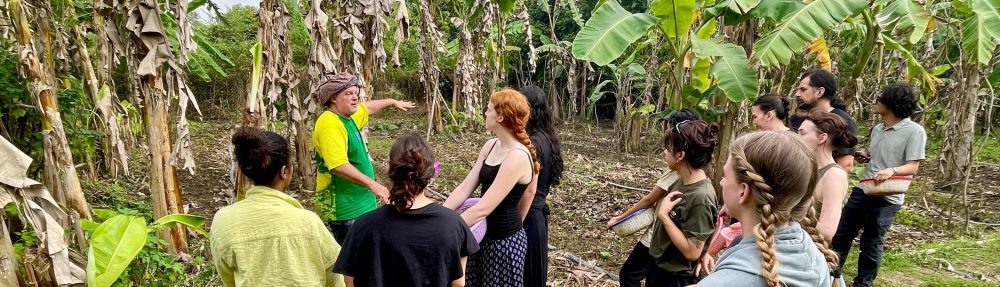

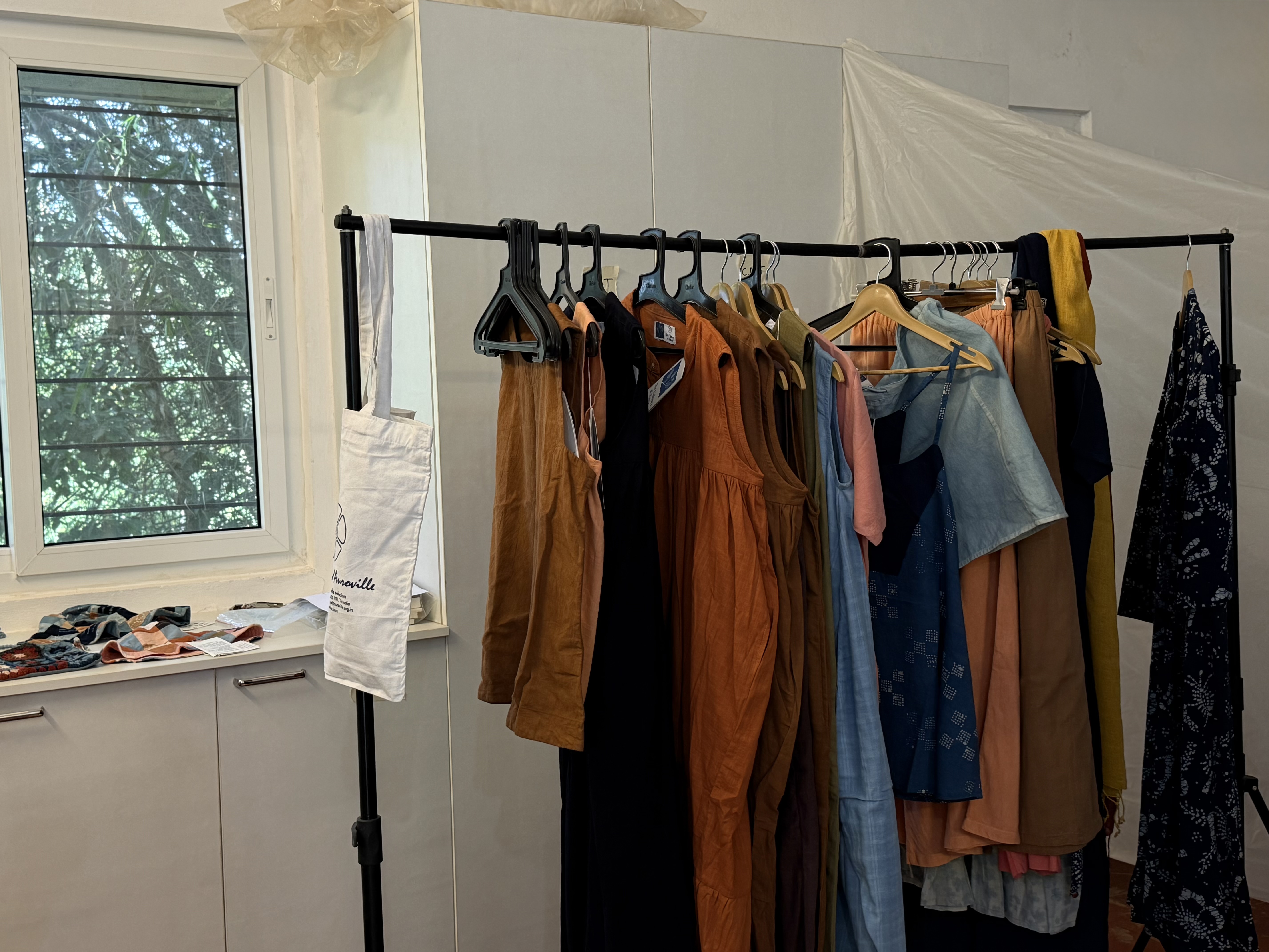




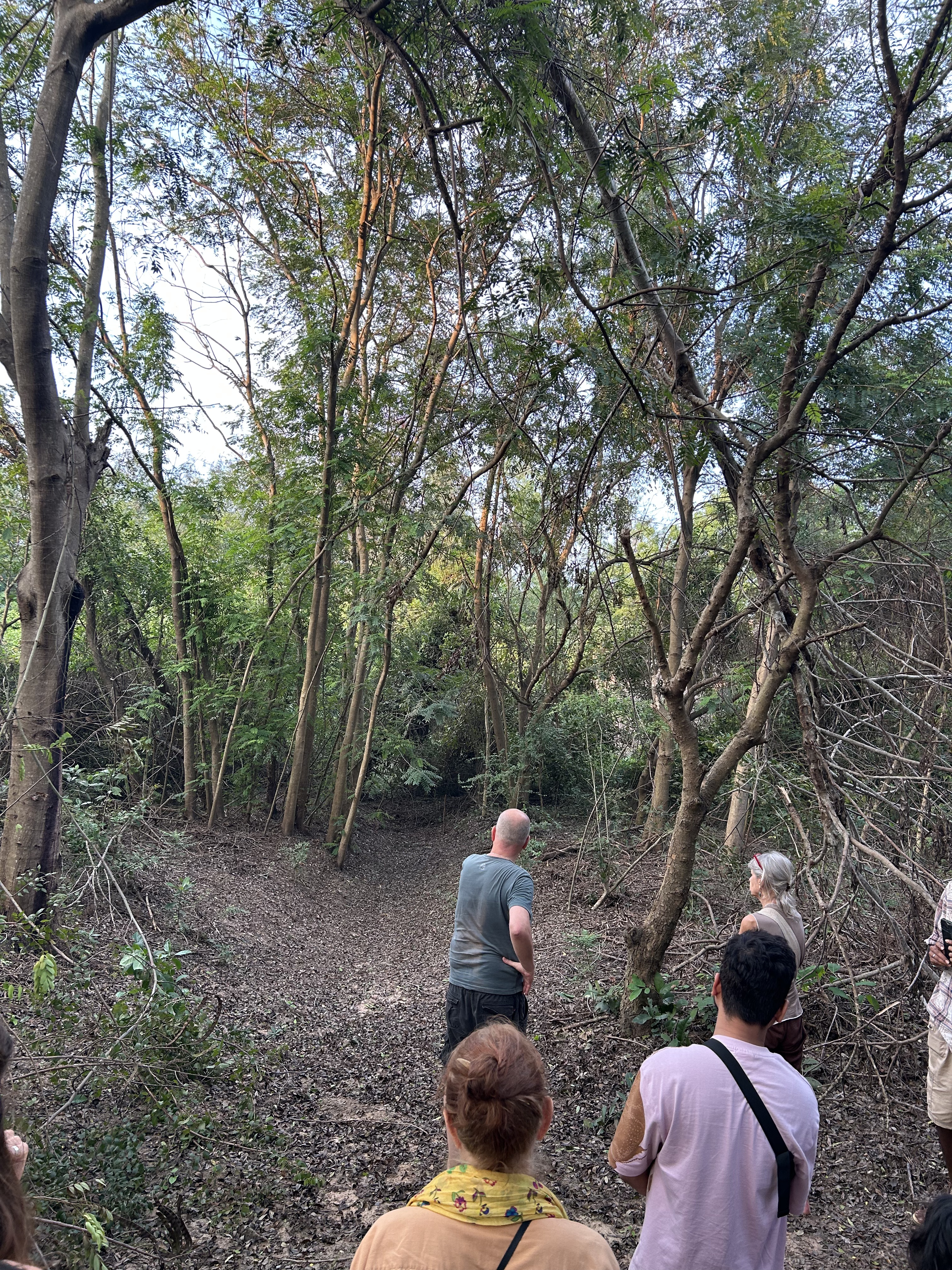

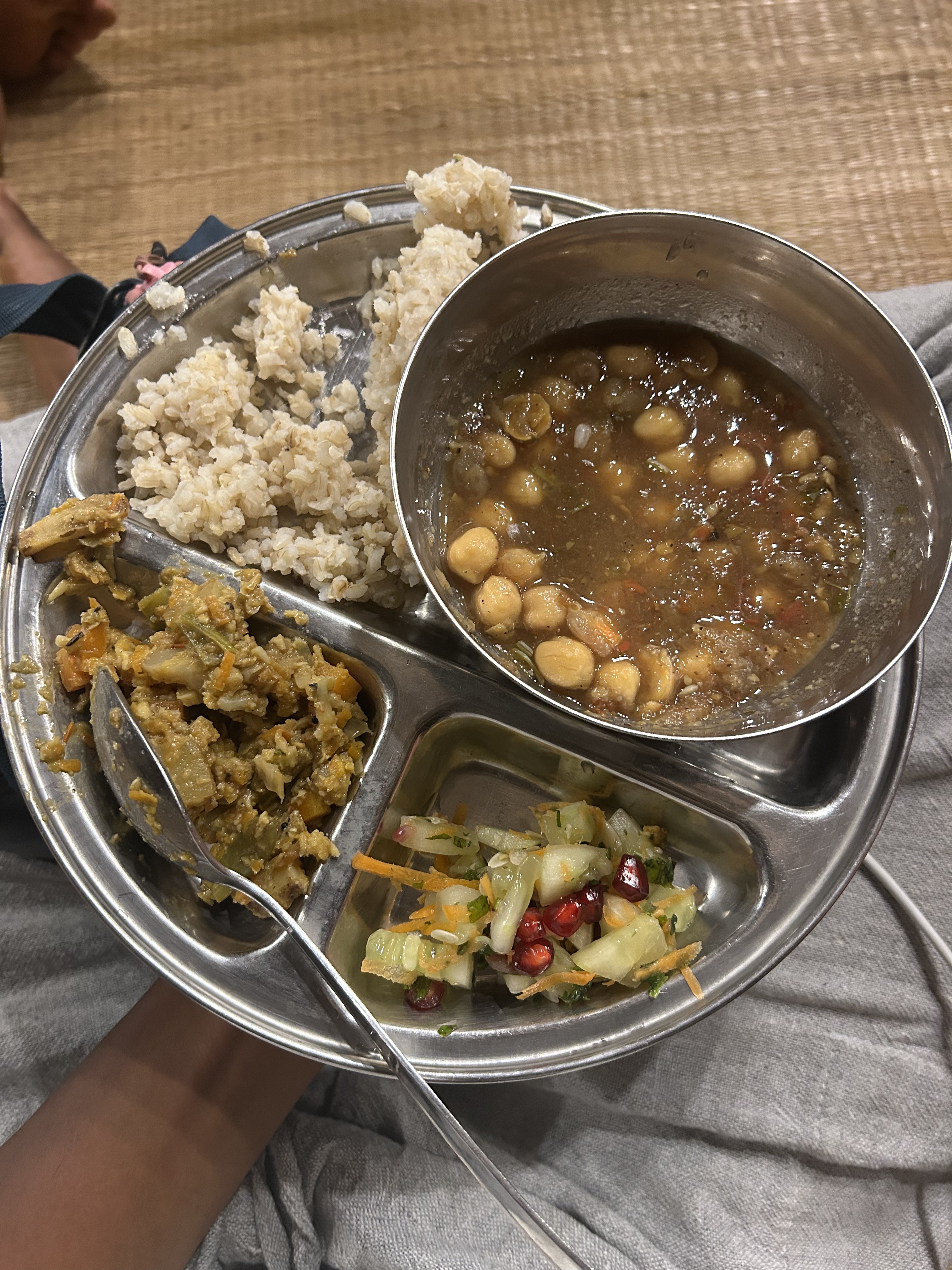


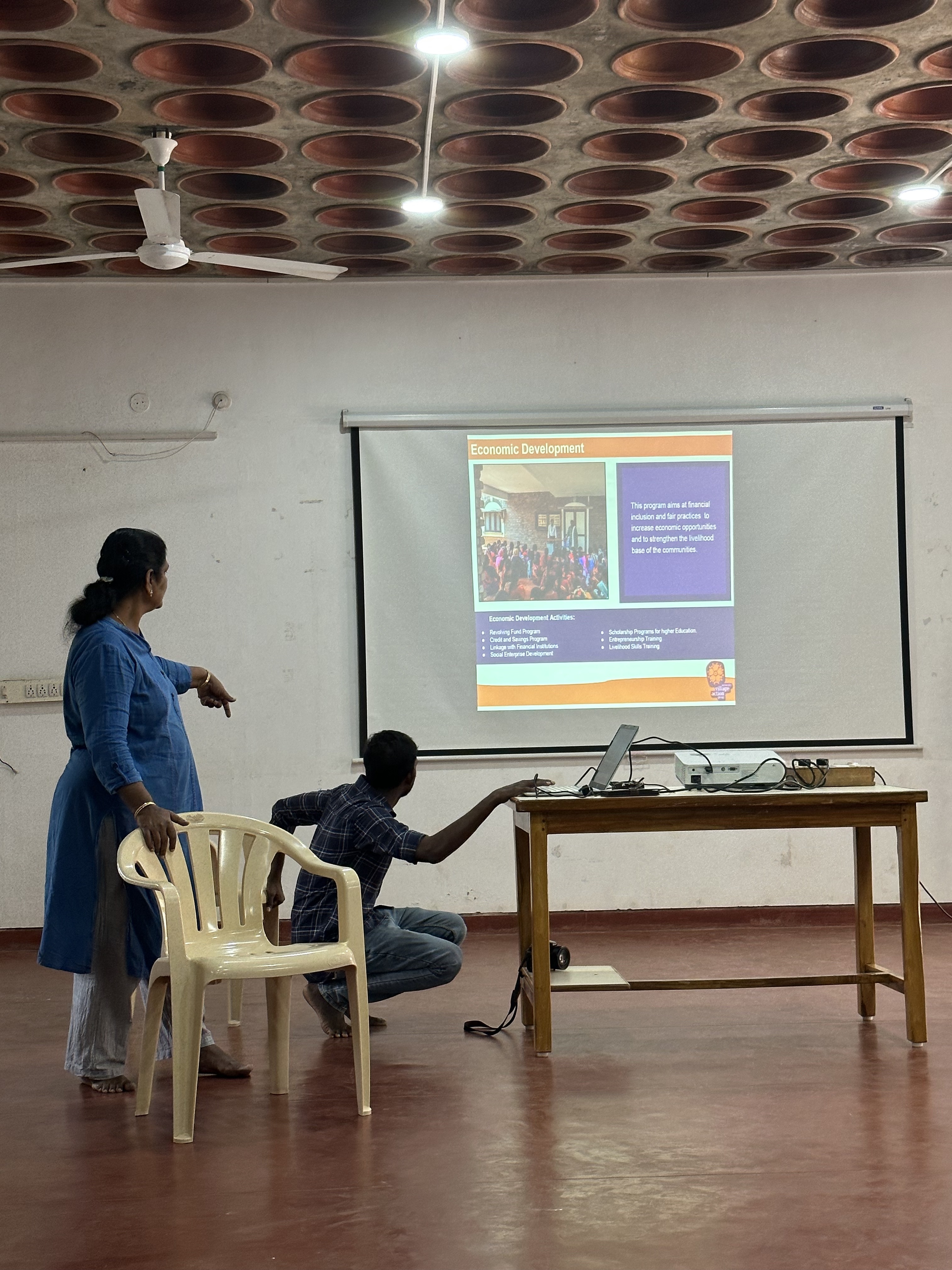


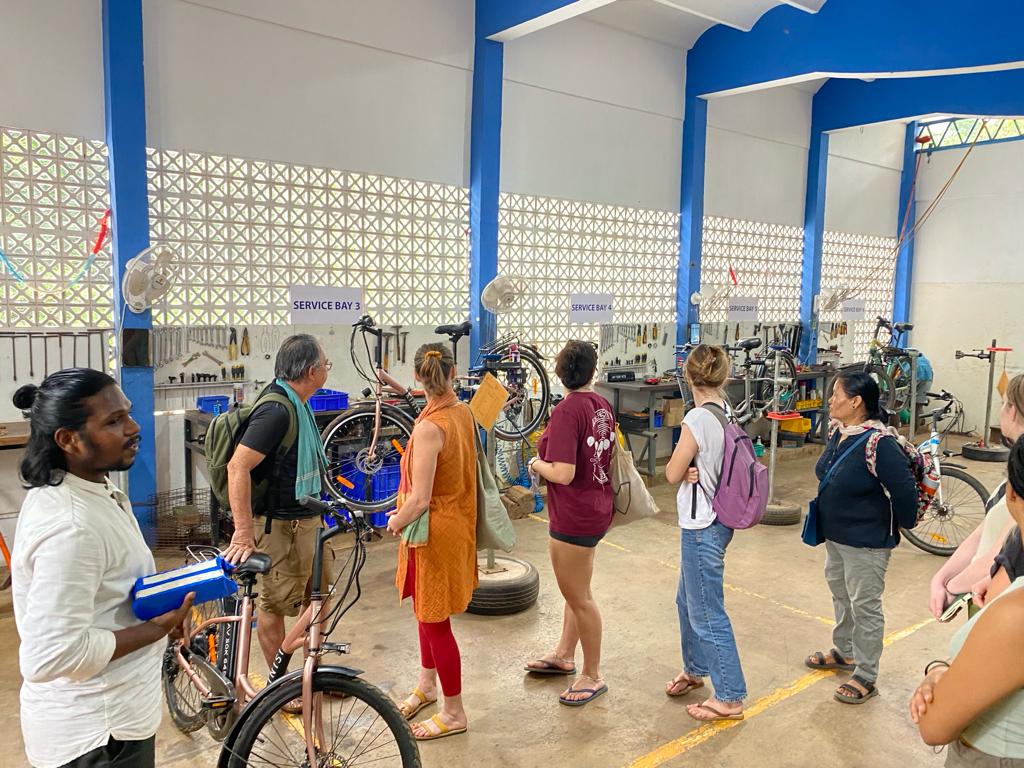


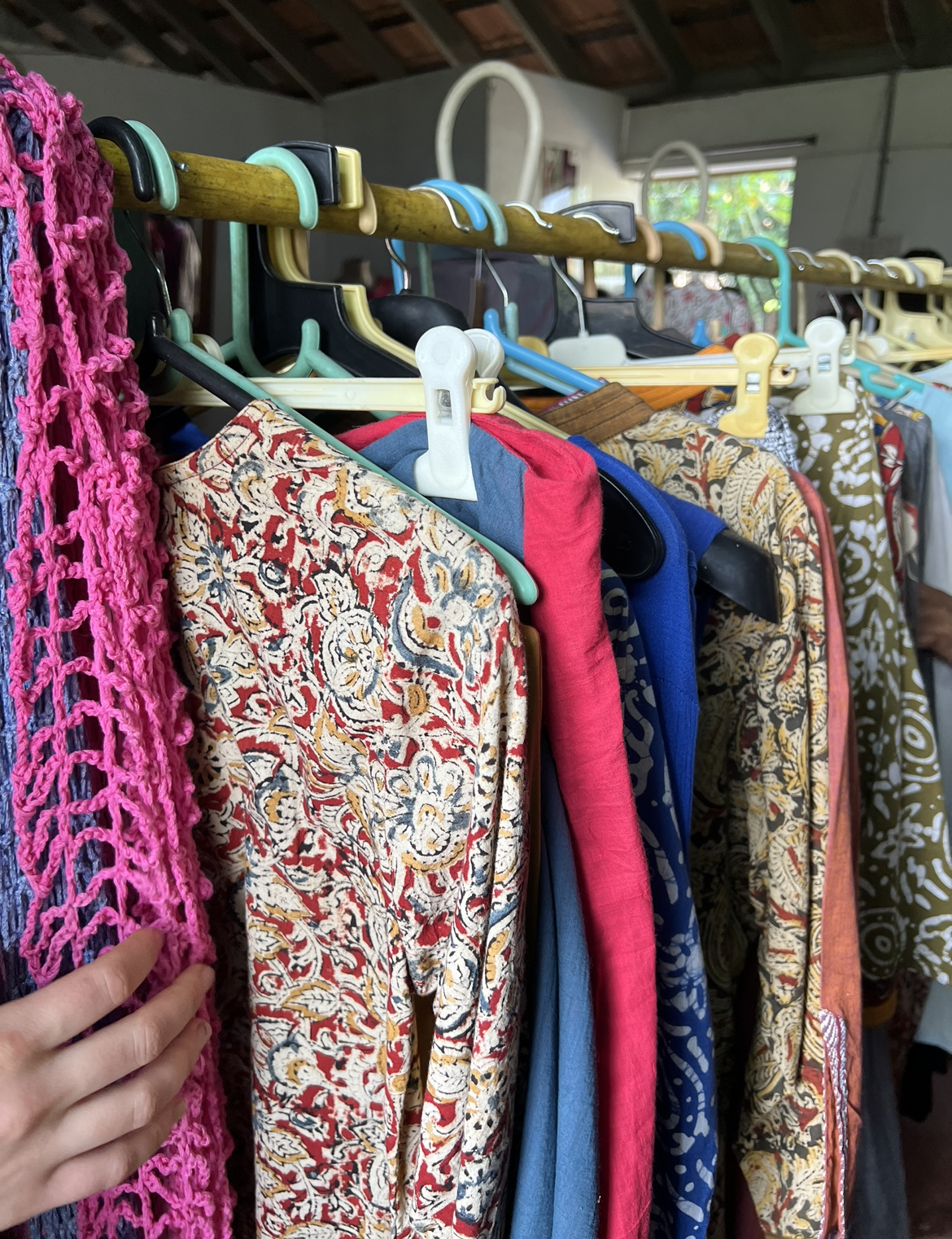

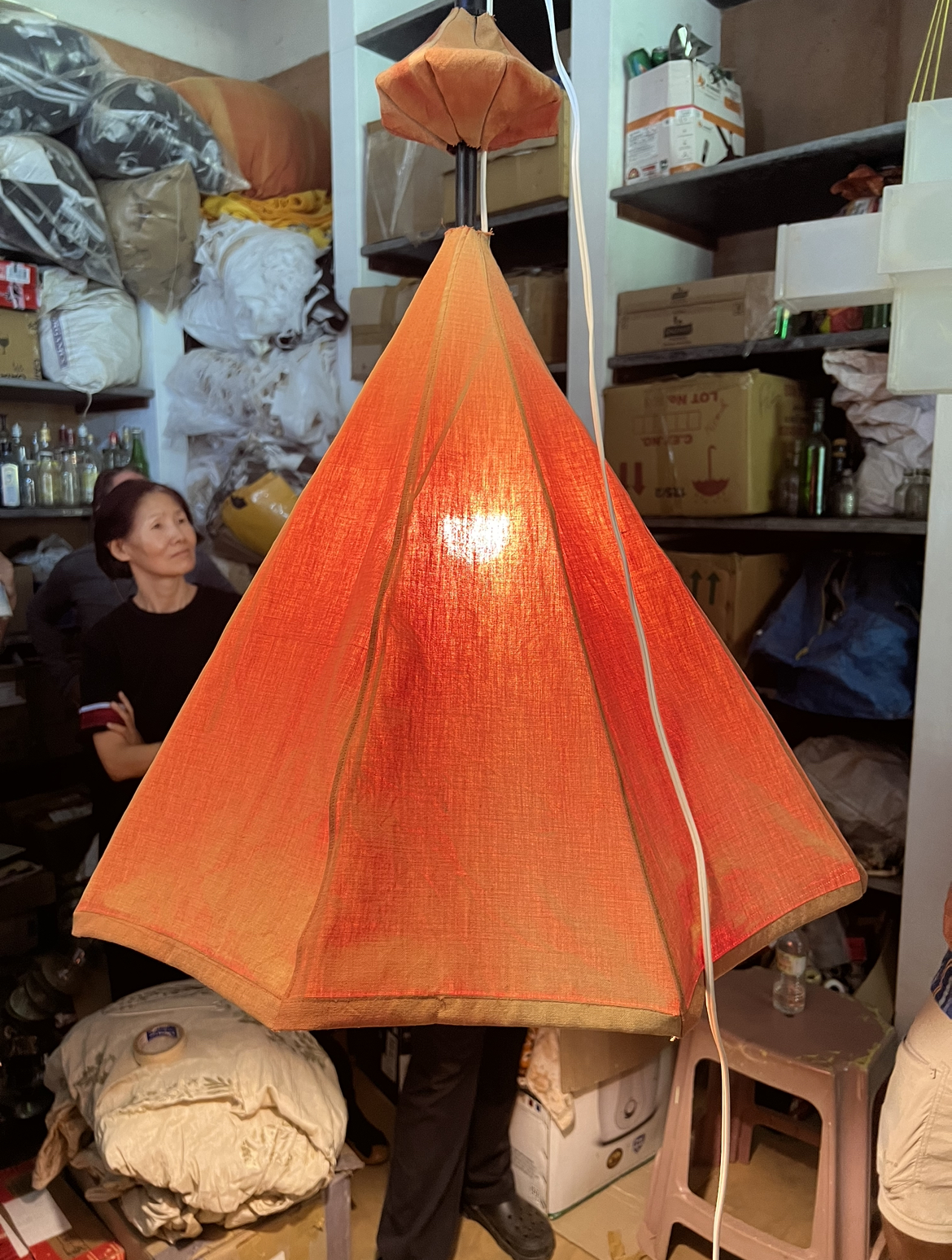
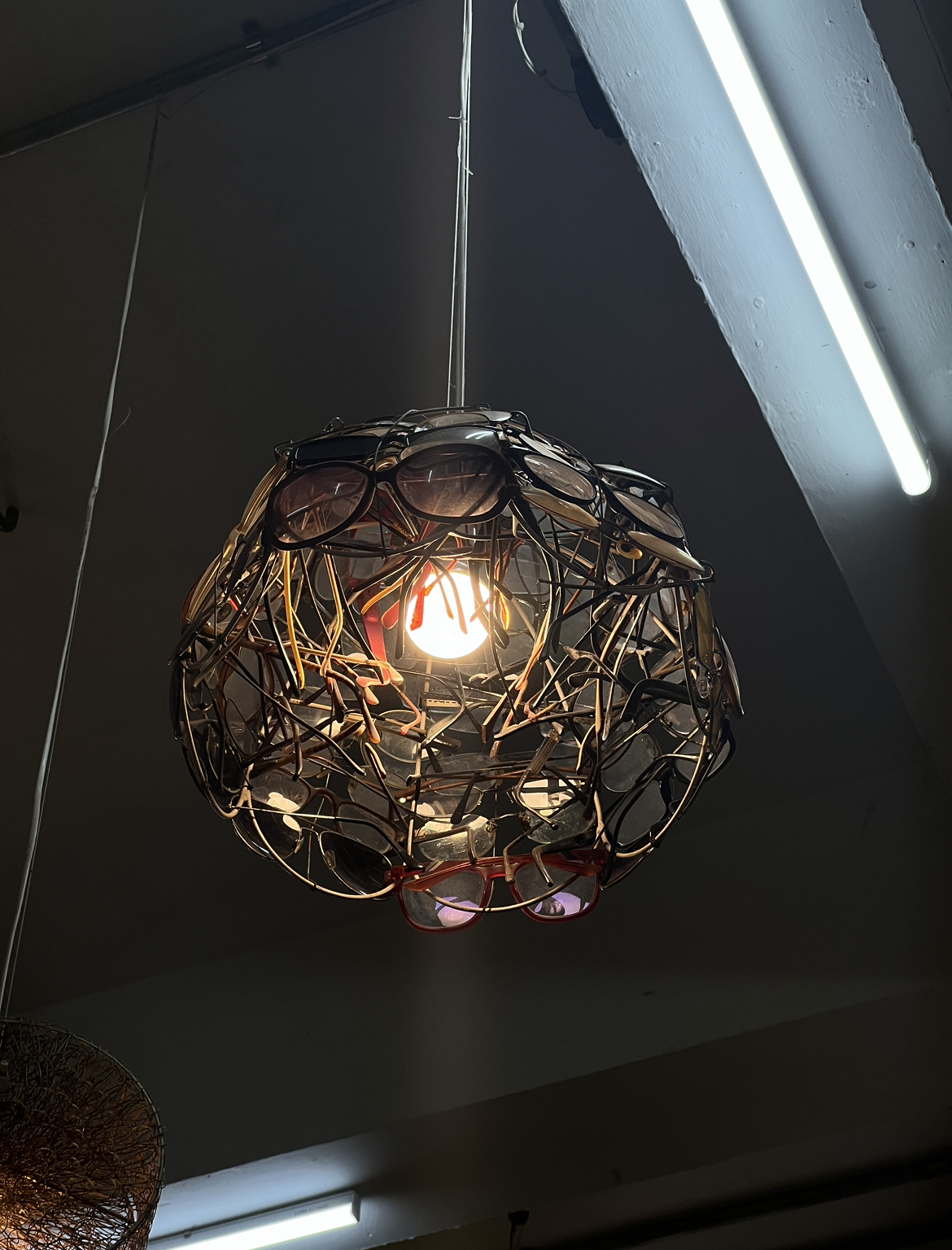


 Image Credit: Stella Sagini
 Image Credit: Stella Sagini
 Image Credit: Stella Sagini
 Image Credit: Stella Sagini
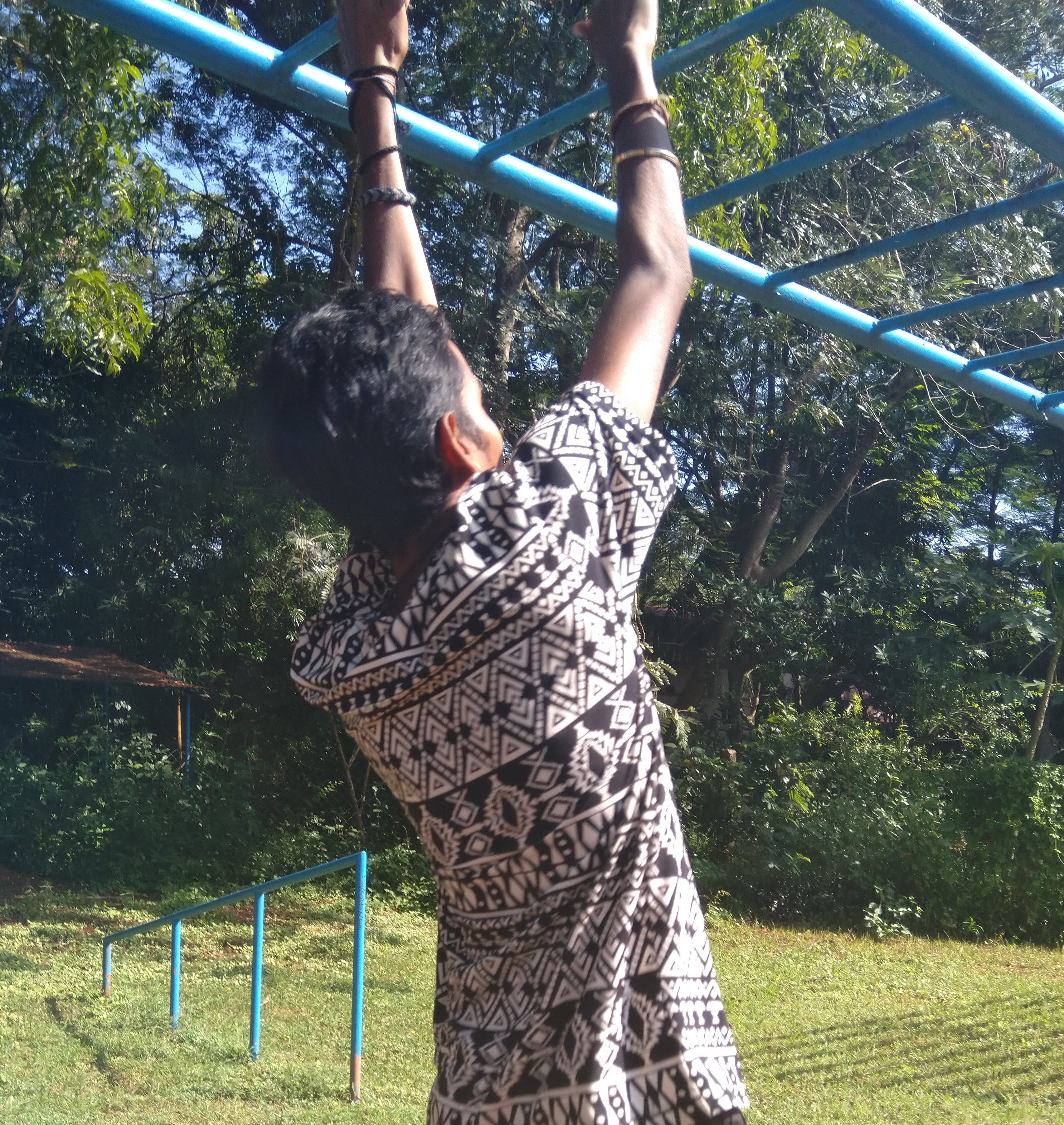 Image Credit: Stella Sagini
 Image Credit: Stella Sagini
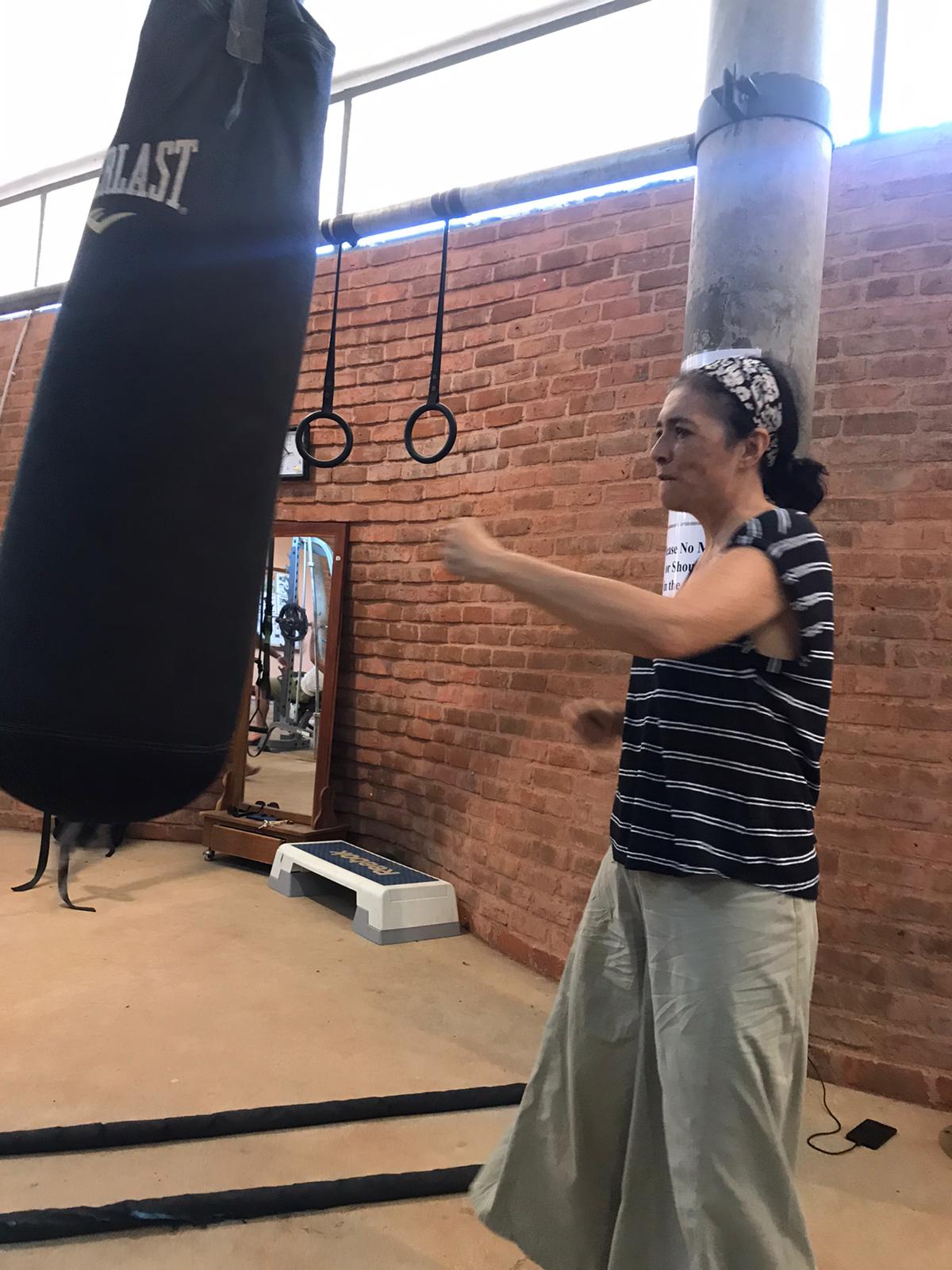 Image Credit: Stella Sagini


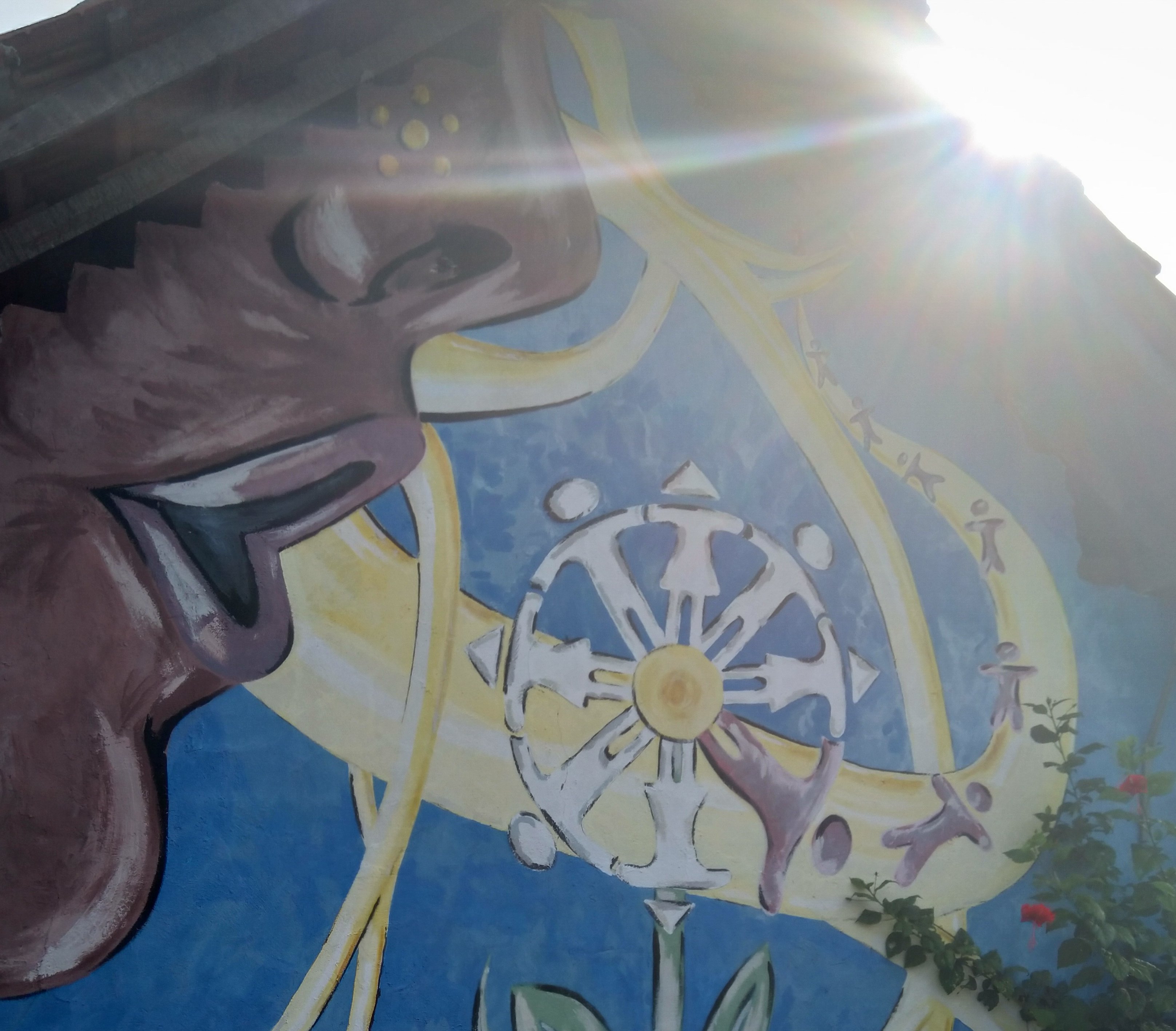
 AUP Sustainable Development Practicum in Auroville, India