A Thought as the Trip Concludes


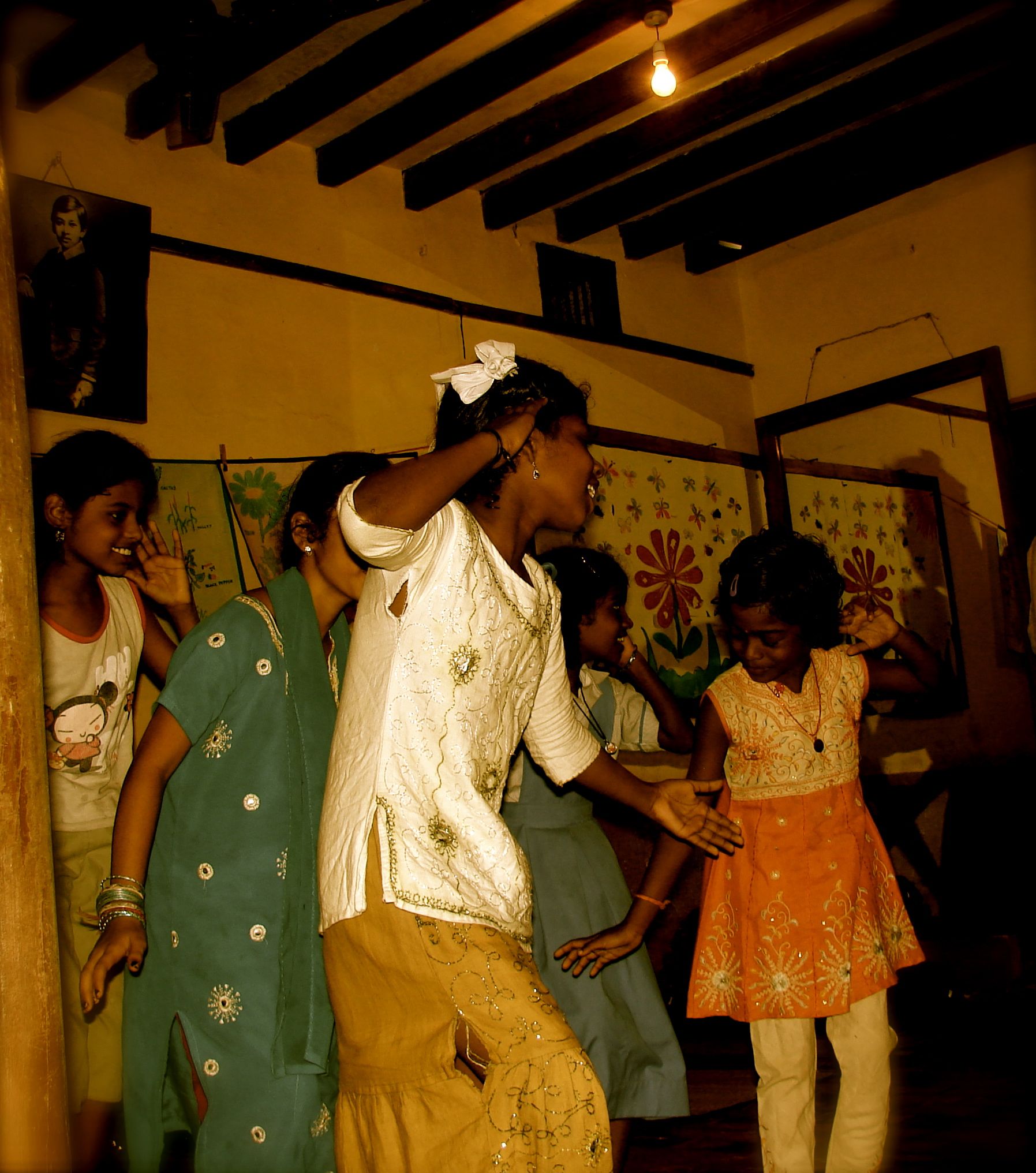
Children Dancing at the Mohanam Centre


“Learning is the first step in making positive changes within yourself. Other factors are conviction, determination, action and effort. Learning and education help develop conviction about the need to change and increase your commitment. Conviction then develops into determination. Next, strong determination leads to action: a sustained effort to implement the changes. This final factor of effort is critical.” ~ Dalai Lama

Cow Manure, Courage Trees and Digging Toward Carbon Neutrality

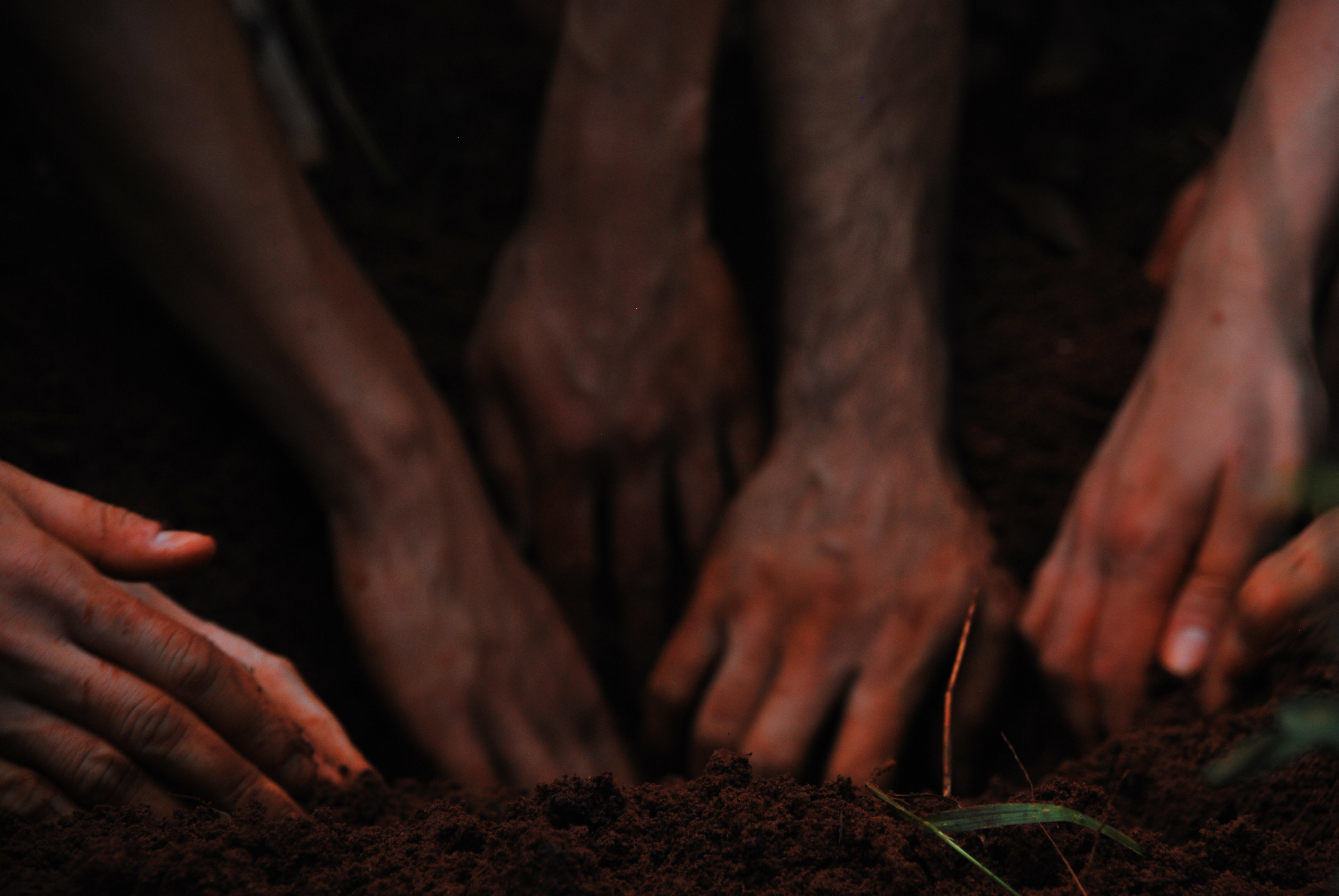
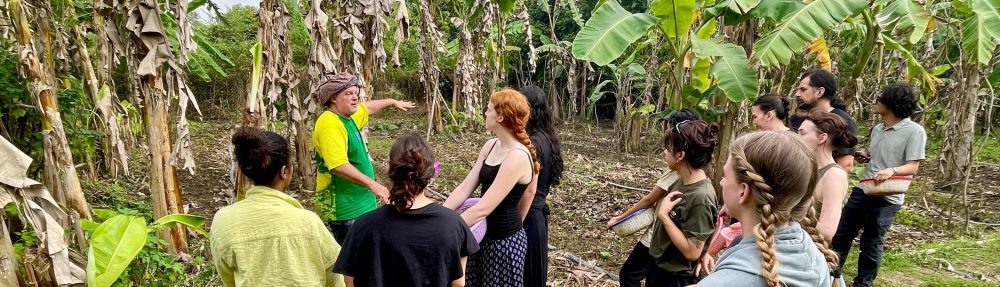
Simply by flying Paris –> Chennai, blissfully giddy and naively wide-smiling, we were each individually in the process of terrorizing the planet with a nearly two ton carbon emission.  Two TONS. Not to get all India on you, but that’s roughly two elephants. EACH. And that was only flying one way. As we collectively sat today among animals and trees, filling out our carbon footprint calculators for our time spent in Auroville, this realization and several more were happy to smack us in our faces. I got all excited, checking off boxes with zeroes for my vegan diet and Auroville bike riding mastery which was seemingly causing my number to dwindle. What I realized is that that’s just the problem- I, and perhaps “we”, are too quick to laud our small steps toward making a difference and don’t always keep the big picture in mind. Today, with my hands in a whole lot of cow excrement and red clay warpaint on my face, everything came full circle.


Katherine, an AUPer of previous years but now more appropriately titled Aurovillian Carbon Reduction Queen, came on this same trip last year. She ended up not leaving. She took on this project with Martanda, who is the lucky and happy “inheritor”* of the land they are reforesting on. There are innumerable reforestation projects taking place in Auroville, and for good reason. This place began as a massive expanse of red earth (ironically, or not, sounding very much like mars) which was deemed impossible to cultivate and dead. Now it exists as a lush green jungle of various types of trees and lots of dedication from stewards like Martanda. The green belt, one of the concentric circles that makes up the space-ageish layout of Auroville, consists primarily of reforestation projects and communities which engage with them. Hence, it is a great place to support these initiatives while also carbon offsetting by planting trees- tropical deciduous evergreen trees in particular.

To offset our flight one way, we planted five mahogany trees today. Whether or not this is enough I’m not entirely sure, and that’s one of the problems with carbon offsetting that Katherine explained- Are we just putting a band-aid on a much larger problem? Are we taking part in these offsetting tactics as a means for pretending we’re not doing any harm? There are, of course, a million and five ways you can look at this issue. Primarily, I was just happy to get dirty and help something grow. Being in close contact with the earth and helping to be part of something larger, like contributing positively to the environment, is not only good for bragging rights but it’s also a huge part of the Auroville mindset. I asked Martanda if he had grown up with an interest in forestry or if it simply developed with him having to take care of this massive playground of plant life. He explained that it was serendipitous (like many things in Auroville ostensibly are), that as a child he always had a very close relationship with the land and he rediscovered that and how truly important it was to him once he was put in a position of caring for something so delicate.

This consciousness of the delicate and all-powerful quality of the earth, of the environment, is something that the Mother (grand initiator of all things Auroville) recognized and theorized about. She named several trees and flowers, imbuing them with human qualities and characteristics of encouragement. I heard from Martanda about things like “Courage” and “Certitude” as pseudonyms for trees, and how she came up with similar deviations for flowers based on their vibrations. Even in writing it, it certainly sounds crazy but after being in direct contact with something alive, with it’s roots and arms, I couldn’t deny that maybe I understood what he meant. We had dug, churned, composted, planted and finally danced our way into a unity with these little saplings. I say danced, because in order to culminate our project we had to devise some great ritual to signify the birth of a new tree in the forest- my group painted everyone’s faces and started a conga line. Other groups sang in high-pitched Oms or started an eyes-closed hand holding circle where we all did the Wave. Another group encourage everyone in their hand-holding circle to finish the sentence “If I were a tree…”, which rounded out with a great variety of things from “I would be taller” to “I would house fairies”.

We then schlepped our tools and tired limbs back for some lemongrass tea and conversation. I think we all felt accomplished and maybe even a little bit taken over by that “energy” we were in touch with (whether it exists or not is arbitrary, we were proud of our new tree children and our dance moves). Above all of these things, my favorite quote from the day was this:

“Trees never die. They would live forever, it’s always something else that kills them. Disease, insects or humans take their lives but otherwise they would exist forever.”


*Lest we forget, nothing belongs to anyone in Auroville, so nothing can truly be bought or owned or inherited.

Burning bamboo and other productive tasks

The Auroville Bamboo Research Centre

Today the centre’s employees got to work burning and smoking bamboo. This might seem bizarre, since bamboo is the centre’s prime area of research and product development. Actually, the bamboo is set on a low-burn and smoked which gives it a rich golden color and protects it from insects. The men placed the bamboo sticks on bricks about a foot off the ground and lit a fire underneath. Women raked leaves into large baskets and carried them over to be used as fire starters. This continued in rhythm; 30 minutes later the bamboo pile was deserted, while smoke wafted up between air pockets. The smoking will  take place over a duration of two days.

In the meantime, everyone quickly got back to other tasks, while the smoke  remained in the backdrop. Many of the young girls began sanding and shaping bamboo jewelry. The older women talked and laughed together while polishing bamboo frames. The men found a pile of bamboo stalks and used quick strokes with machetes to peel the outer layer of the bamboo.

And so the work continues.

This slideshow is meant to offer an inside peak at the Bamboo Research Centre’s buildings and grounds and the people,  products and “pets” found within.

This slideshow requires JavaScript.

Becoming Aravani

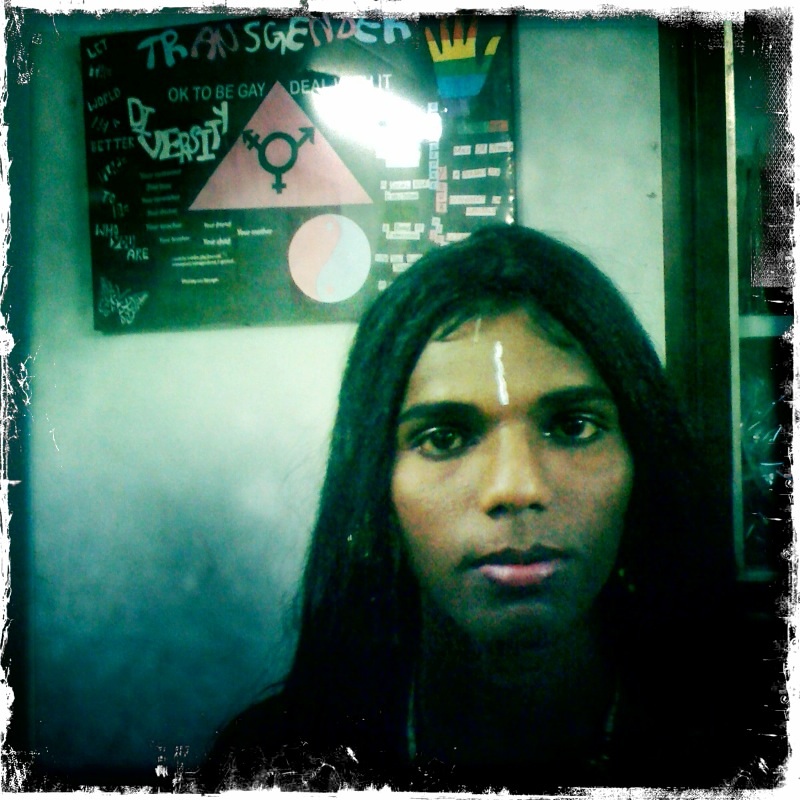
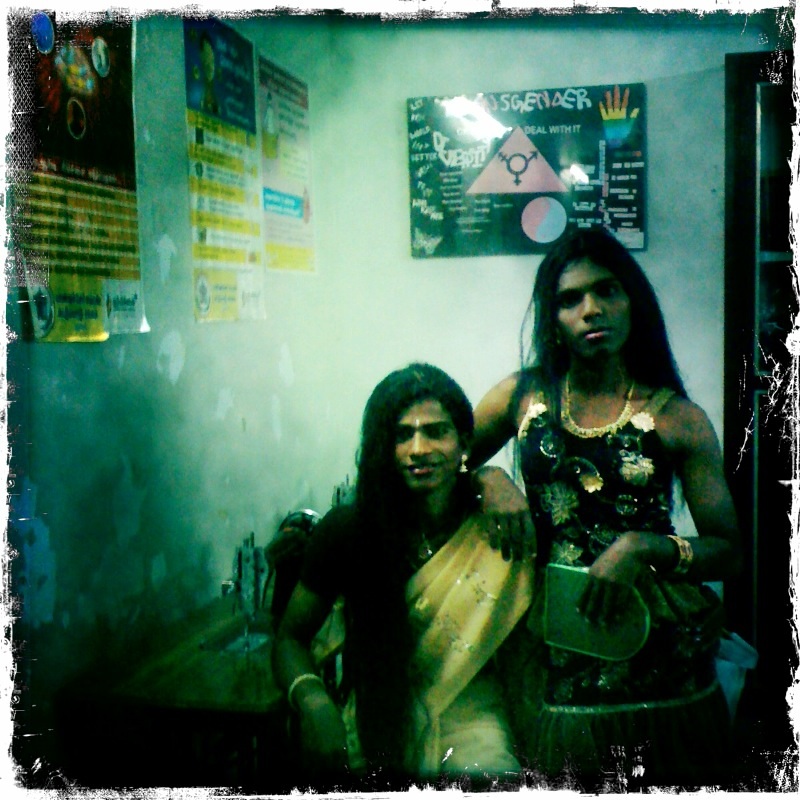
The transformation begins.

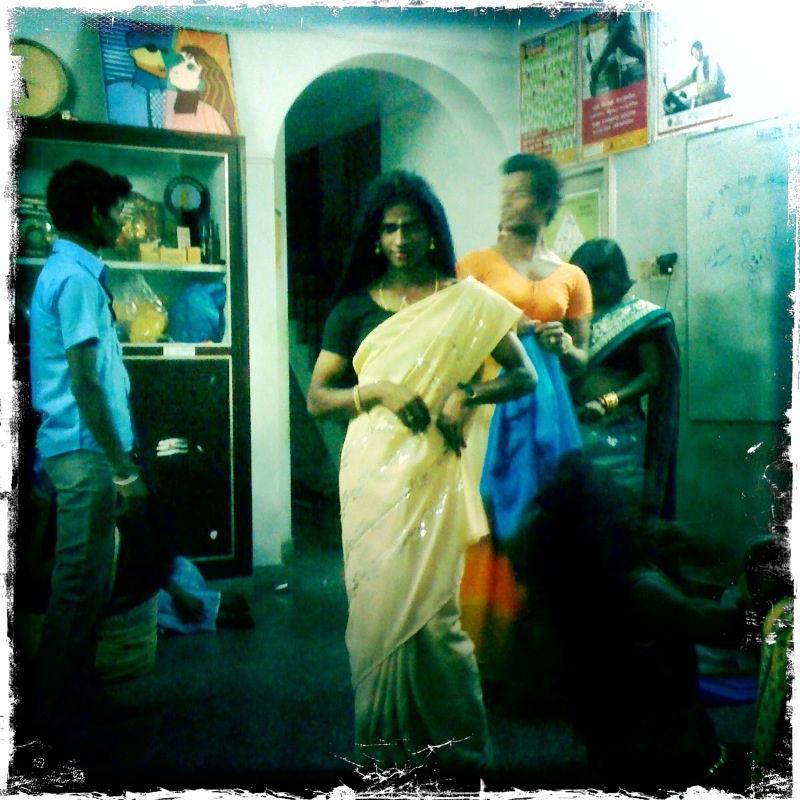
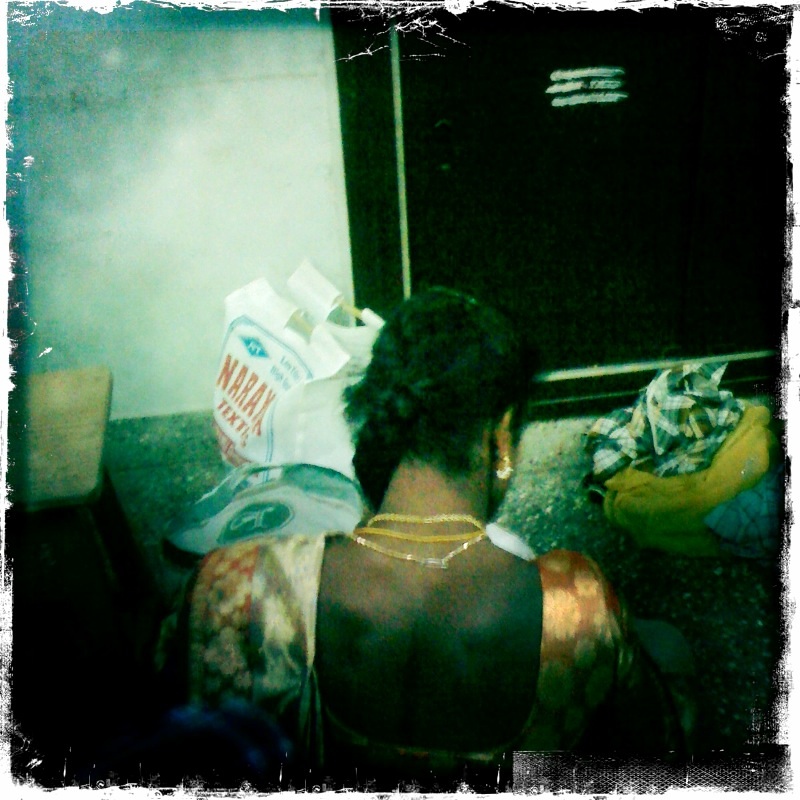
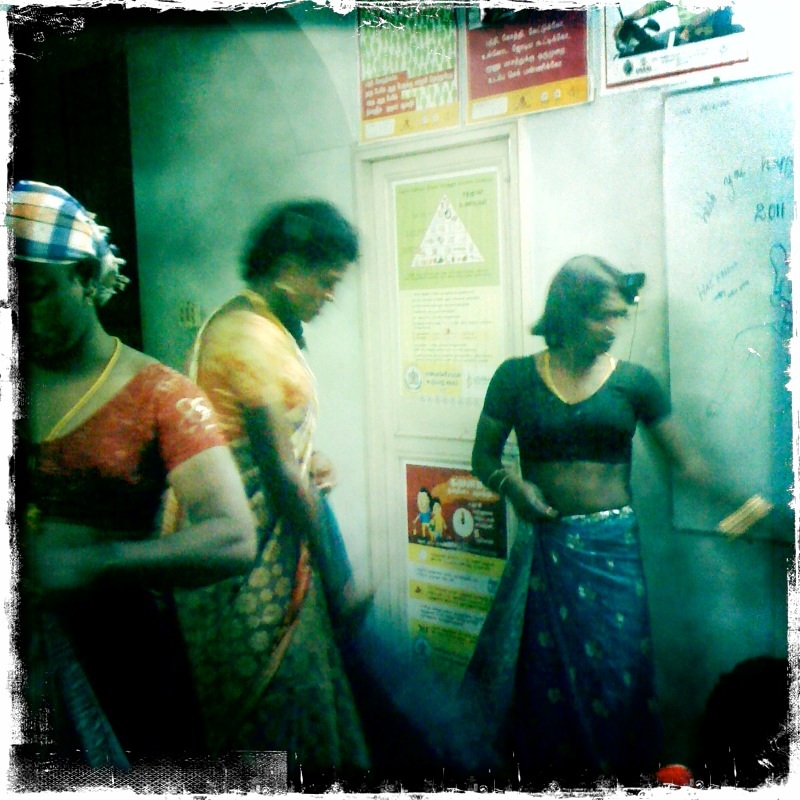
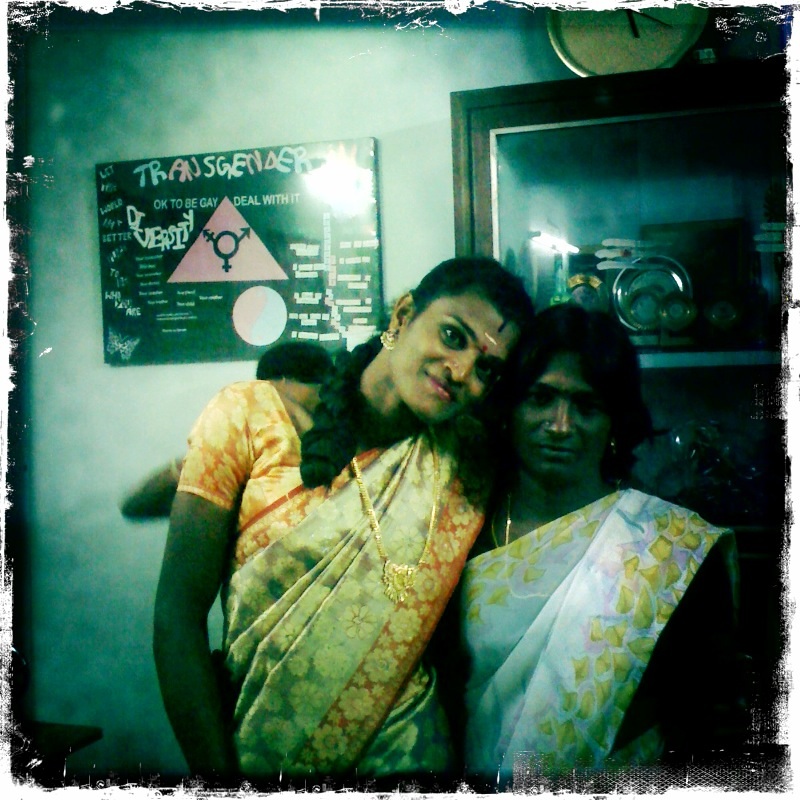
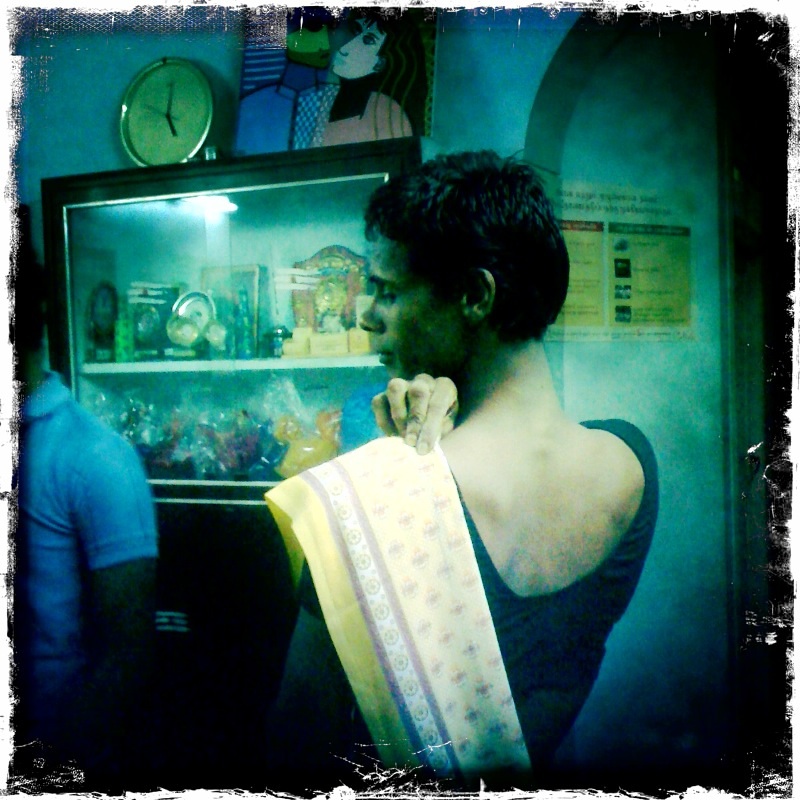
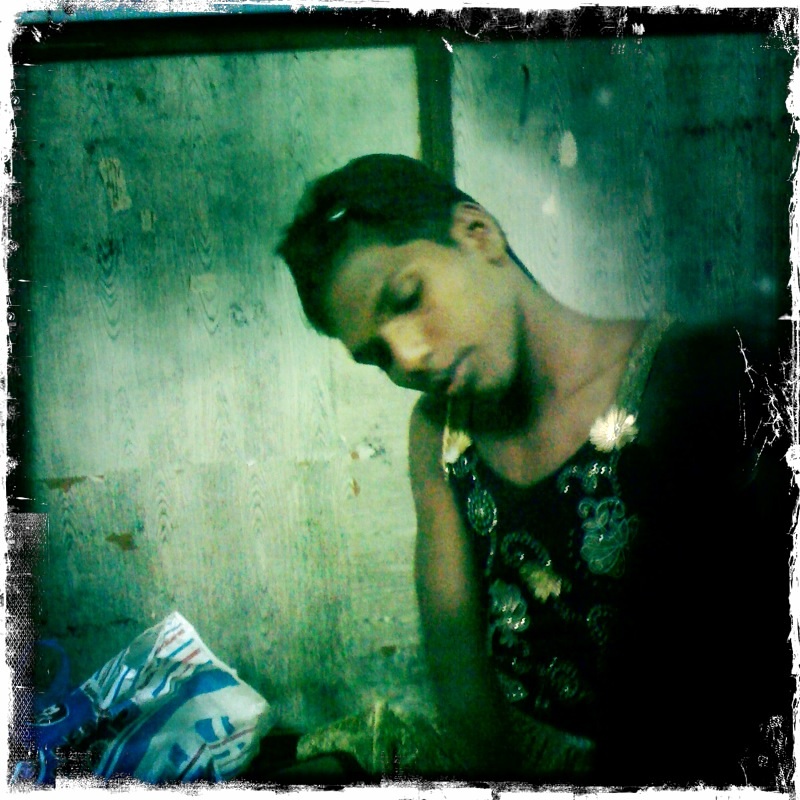
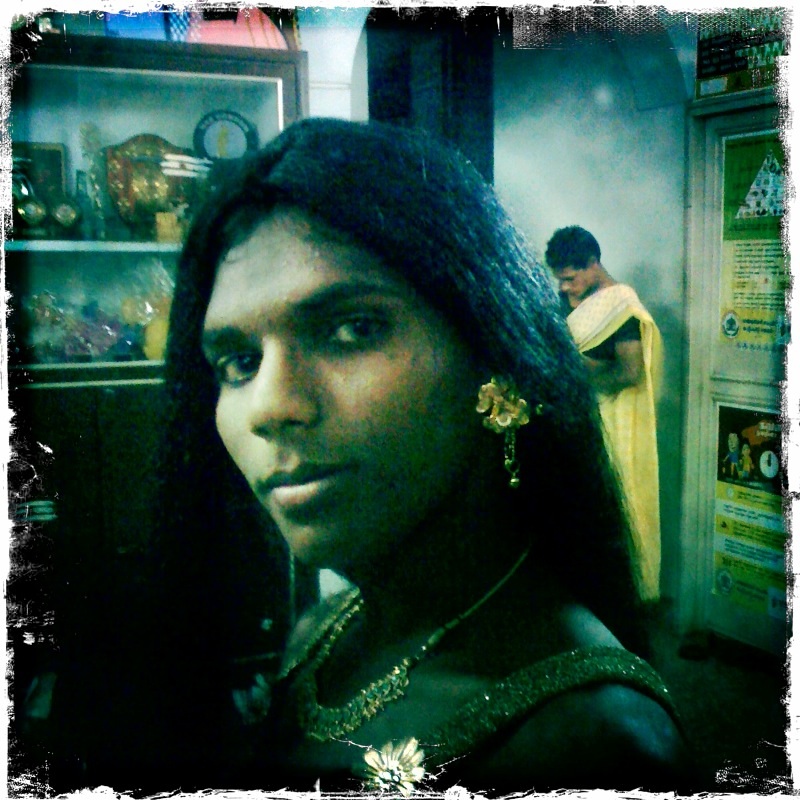
Saris are wrapped, makeup is applied, jewelry is put on, and wigs are donned.

The train leaves in 2 hours from Pondicherry towards the village of Villupuram.  There awaits a new sister- a new hijra– India’s third gender.

Hijras are also called aravanis in this region of India, for the epic Sanskrit tale of the Mahabharata, in which the character Aravan, sacrifices himself to stop a war. His last wish is to be married, and as no woman would willfully marry a man who is doomed to die, the god Krishna changes himself into a woman, granting Aravan’s wish before his certain death.

This newly transformed aravani has undergone surgery to change her sexual organs from male to female, and has waited and recovered indoors.  For forty days she has hidden and avoided being seen by any man, and tonight she will be born in a ceremony of song, dance, food, and drink. She will be seen as a sort of mystic, as many hijras are.  They largely remain, however, poor, outcast members of society.

This also serves as an important opportunity for these particular aravanis to increase awareness and visibility.  They are all members of a community organization called Sahodaran Society, a sexual health clinic and community center for the LGBT population of Pondicherry.  It is the only safe space and meeting place for this portion of the population in the area.

Tonight, in celebration of the birth of a new woman, strength and courage bind these individuals together towards the hope of a future of understanding, tolerance, and acceptance.


-David

Street Food in Pondicherry

While walking down the street in Pondicherry it is important to be alert. With the motorcycles, cars, cows, and goats coming from every possible direction, one second of daydreaming may be terminal. The real reason I’m so alert on the street, however, is because of the smells, sounds, and colors of India. The constant honking, the sizzle of a stove, the waft of curry and spices, the steaming of idlis (soft rice cakes), and the crinkle of newspaper, which is the main thing used to wrap food on the street, are examples of the plethora of sounds and smells on the streets of Pondicherry.

Some of the best food in India is on the street. Street food is made by locals, who have been making a certain dish their entire lives, no doubt passed down through several generations. This food is also made with locals in mind—it is not dumbed down for sensitive western palates. Street food is also affordable for everybody; it’s nice to know that everyone in India can have a nice meal!

Many people find street food scary (stomach-wise). It is true they haven’t scraped the grime off the stove in several years. Oh, and there’s a mini garbage dump right by the kitchen. I’m not convincing you, am I? But these are ancient recipes, perfected on the side of the road to make the perfect combination of spices and flavors, and if you get sick . . . oh well, it is damn worth it. This food may not be served in the comfort of a restaurant, but this is some of the best food I’ve had in India, and that’s saying a lot.

Ok, I’m off to get some street chai.


SALT Children’s Home…

Aurelie and I would like to share with you some of the children we have grown to know over the last 2 weeks at SALT Children’s Home in Tamil Nadu… These children were found living on the street with no adult support, food or education. At SALT they are given a safe home and a chance to live and play as children. Check back at: http://www.SALTchildrenshome.org (the site will be up this week)

Nishanti and Saran

Nishanti and Saran

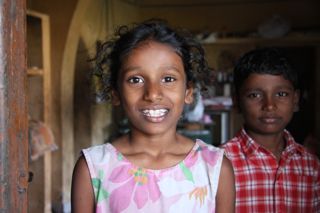
This is Nishanti (9) but we know her better as ‘Roje’ (Rose) because of her beautiful nature and spirit. She is one of the only girls at the SALT Children’s Home and is living here with her brother Saran (7). Both children came to the live at SALT when their father could no longer look after both of them by himself after they lost their mother to Tuberculosis. The children enjoy playing in the tent they built in their backyard and sharing afternoon cookies.

Venugopal

Venugopal

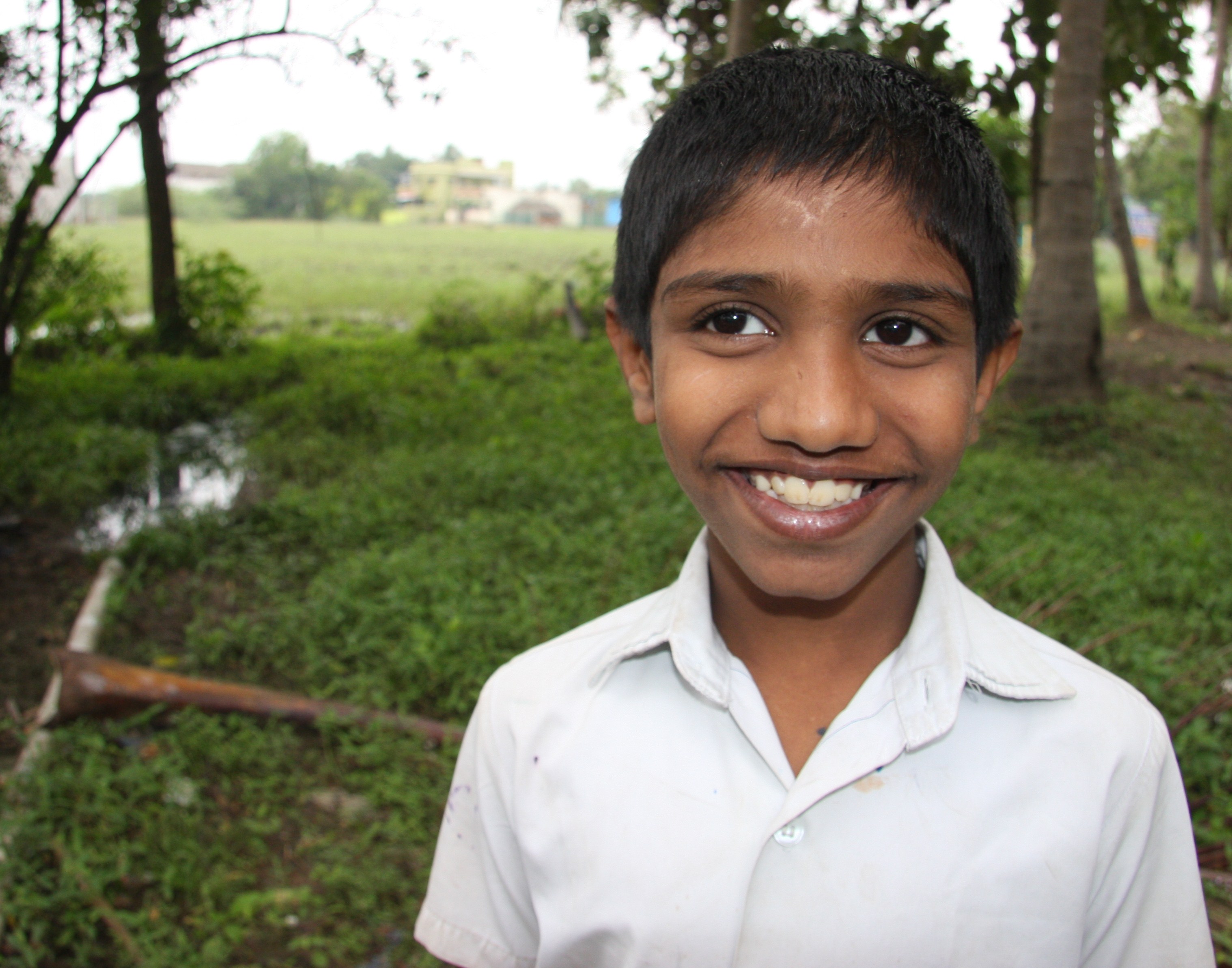
Venugopal (13) has been living at SALT for the past four years after his mother fell sick to HIV. As one of the older children at SALT, he keeps a watchful eye over the rest of the children, making sure the cars stop when they cross the road after school. Venugapopal loves to learn and he can often be seen bright-eyed and smiling.

Prakesh

Prakesh

The youngest of the SALT Children’s Home is Prakesh (6) but he is by no means the smallest, with great charisma and full of energy, he stands out in a crowd. Prakesh came to SALT when he was found sleeping alone on the streets and begging for food and money. Although young he is very talented and loves to draw pictures.

Selvam

Selvam

The newest member to SALT is Selvam (8) who came to the home when his mother who is living alone and working as a servant could no longer provide for him. Selvam loves to get involved and can be usually found spending time with Anitha one of SALT’s child guardians and English teachers.

Dinesh

Dinesh

Dinesh (9) was rescued from his life working on the streets after the death of both his parents. He spent his days as a watchdog for businesses conducting illegal activities and when he came to SALT he was dangerously undernourished and emaciated. Now, Dinesh loves doing weekly Karate lessons and has grown both physically and mentally stronger since his time as a street child.

Thank you for taking the time to read all of these children’s stories…

Before I started this project I was so concerned with what I thought the children would be feeling as a result of the unimaginable hardships they have faced, neglected and abandoned and living with no one to love and care for them. But working with SALT I can see that these children are full of life, love and kindness.

With no money or support from the government, SALT scrapes by every month with just enough money for food and the capacity to send the children to school. In April this year they face eviction from their home, the home that has housed 35 children for the last nine years. SALT’s vision for a better life for the children is something Aurelie and I are hoping to make a reality…

Nevertheless, amongst all the seriousness, when we are spending time with the children we can’t help but laugh, their smiles and happiness are rather contagious!

Sybilla

Is it okay to be gay by the Bengal Bay?

On Earth, the rights and opportunities that are present for gay and transgender people are very diverse. In Sweden, I can get married, I can adopt children and gay rights are constantly present in the Swedish society. In the Indian society however, I have during these weeks realized that even though the law is on the side of the gay people, the rights and life of this minority is far from the freedom of Sweden.

When you visit the gay organization SCOHD Society in Pondicherry, you are immediately taken to a joyful, spontaneous and wonderfully chaotic place where nothing is too weird or outlandish. This is understandable, since SCOHD is the only place in Pondicherry where gay and transgender people can express themselves freely. Because even if the law that said that homosexual activities was a sickness has been thrown out of the window one year ago, the common attitude towards gay people is far from better. Ganesh, the director of SCOHD, tells me the story of a member of SCOHD that was working at a local bakery. When it was found out that he was gay, he was immediately fired and left without no income for several months.

Ganesh goes on by telling me that winds of change are blowing for the gay community, or as it is called in India, MSM (men who have sex with men), but mostly only in the biggest cities of India. There is no openly homosexual celebrity or politician in India, and the law change has not garnered that much support among the common Indian citizen. That is especially visible in Tamil Nadu, Ganesh continues, telling me of how discriminated for instance transgendered people are in hospital care. And the term “being gay” is not even used, relationships between men is seen as “fooling around”, pinpointing how little the Indian society think of love between two people of the same sex.

It is when I think of situations like these that I am really impressed with the work of SCOHD. At our photoshoot there last week, there were so many people and so much happiness. They were making flower arrangements, sowing clothes, singing, dancing and pretty much having an amazing time together. Without the organization, many of these people would never have been able to meet, talk to each other and find someone that they can truly be themselves. When they go home instead, reality starts. Many are married to women from fixed up marriages and several have been kicked out from their families. With this, SCOHD becomes an asylum for these people, showing them that even though society does not care for them, SCOHD does.

The time at SCOHD has really affected me a lot and I feel more passionate than ever about working with gay rights in developing countries. Being part of a successful gay rights movement might be tough, but in the end, it is worth every little effort.

The word gay initially meant to be really happy. In SCOHD territory, this fact is one of the few moments when this is true.

/Julle

On Love and Marriage

Padmanabane Lalidamballe has been the Managing Trustee of ADECOM Network since 1998. She grew up in the outskirts of Pondicherry and holds both a Bachelor’s and a Master’s degree in Economics. Throughout high school, college and graduate school she volunteered for a local literacy campaign and, upon receiving her Master’s and another certificate in teaching, she taught in a local village for one year while simultaneously volunteering at ADECOM. She then decided to join ADECOM full-time in 1995. She is married to her co-worker and Kootu-k-kural director Perumal, is a devoted Buddhist (though she believes her faith to be more a values system and, in her words, a “way of life” than a “religion”), and is an ambitious, headstrong, hard-working and incredibly inspiring woman.

Below are a couple excerpts from my interview yesterday with Ms. Lalidamballe. Until now, I’ve never had the opportunity to talk with an Indian woman about her personal life, and I certainly didn’t expect to break that streak with my supervisor. Of course, while I suspect that Ms. Lalidamballe’s particular experience is out of the ordinary—even highly so—her love story is no less real. (For utmost verisimilitude, I have transcribed the interview almost exactly as it was recorded.)

— Claire


Ms. Lalidamballe: I am especially proud of the Dalit emancipation project, and we were really conscious of how this project would empower women and develop feminist values. Basically, I am a feminist. In the beginning I don’t want a family life and to live like an ordinary woman, so I practiced this for some years, some years means ten to twelve years, but after that I suddenly changed my opinion when I met Perumal, and we decided why don’t we marry each other and continue the same way of work? In my family everyone is married and they always ask me why I didn’t want to marry, I think you know about the Indian marriage and family situation, the parents don’t accept it when you live alone, but my mother accepted it, she accepted everything about me, but when I met Perumal. . . . He joined ADECOM in 1998, so after a few years only we decided why don’t we marry?

Q: Do you find it difficult to be married to a person you work so closely with?

Ms. Lalidamballe: Actually my mind at that time was not to accept any man, in my young life I did not want to accept a man, this was my condition, when I looked at any man I said, you are not good for women’s rights, so I never accepted a man’s participation or the . . . how can I say this . . . his kindness. I didn’t think that men would show any kindness to women. Being a woman means you have to develop yourself, so that was in my mind, maybe this happened because of my opinion of men in India, in India there is the patriarchal system, the men always marry two or three girls, and I don’t want this kind of life. In some families the men drink a lot and beat the women, even educated women are not respected, so I saw all this in my friends’ houses and my relatives’ houses and this gave me the notions I had. I talked with men, that’s different, but personally I didn’t want to relate with a man as a husband. Perumal and I talked a lot about my notions, and then I had a small accident—I broke my hand and it was difficult for me to write and take care of myself, and I needed someone’s help, but in my family everybody had their own work. So I thought, how can I go on and work while my hand gets better, and then Perumal came to my home and took care of me for three months or four months, can you imagine that? So slowly this relationship formed. [Laughs.] So then I think that I understood that someone needed to take care of me and help me take care of myself, and after that I realized I wanted to share my life with him. But without a marriage the parents were not happy. Maybe now it is more accepted to live with friends and not be married, but my parents and his did not accept that, so we married, for that reason, and for no other reason. And so we married and accepted each other and he gave me the space to do my own work. Because when you marry sometimes the man does not accept that you will do your own work, that was my main fear, but nothing was disturbed with my life and I have continued my work until now. I’m enjoying my personal life as well as my working life.

. . . .

Q: Did your family pay a dowry?

Ms. Lalidamballe: Yeah, this is a normal practice but it depends on the family. If you are rich you have to pay more, if you are poor you will pay less, and according to their level they send their gift. But my marriage was something different, so I did not give anything to Perumal, I asked them to give some dowry to me, I don’t want to give! And Perumal’s mother said okay. Normally the girl will give to them but my mother-in-law gave a small gift to me, so I loved that, and so my mother gave a small gift too.
Going around in Circles

Being in India is like looking through a kaleidoscope spinning. Images are so striking and changing at every turn.

And much like a kaleidoscope, the dominant or framing shape has been the circle. However different in variation and size; circles have stood out to me, especially when reflecting on this “new” year.

This slideshow requires JavaScript.

You see literal circles everywhere in India: In the patterns drawn in flour every morning outside homes, hallowed out bamboo, the red itching welts from mosquito bites all over our bodies, the smiling eyes of the beautiful children, we sit in circles during our seminars, Auroville itself shaped like a spinning universe… I think you get the idea.

But what is more pervasive are the intangible circles; life as a cycle (constant birth death and re-birth), the whole concept of time changes from being linear to circular here, the friendships forming and the experience with the various organizations that we are working with are circular (giving and taking, sharing and learning), many people here speak in circles often converging on the spiritual.  My thoughts have been in a constant spin cycle since we arrived.

There is something about this place that naturally encourages questions and curiosities of what it means to be human.  People here are purposefully playing and juggling their lives to strike a balance.

In this whirling world I have decided to look at this year as last year recycled, with different opportunities based what I value and previous choices. I hope we all find what we are looking for.

Cuppa Chai Cashews

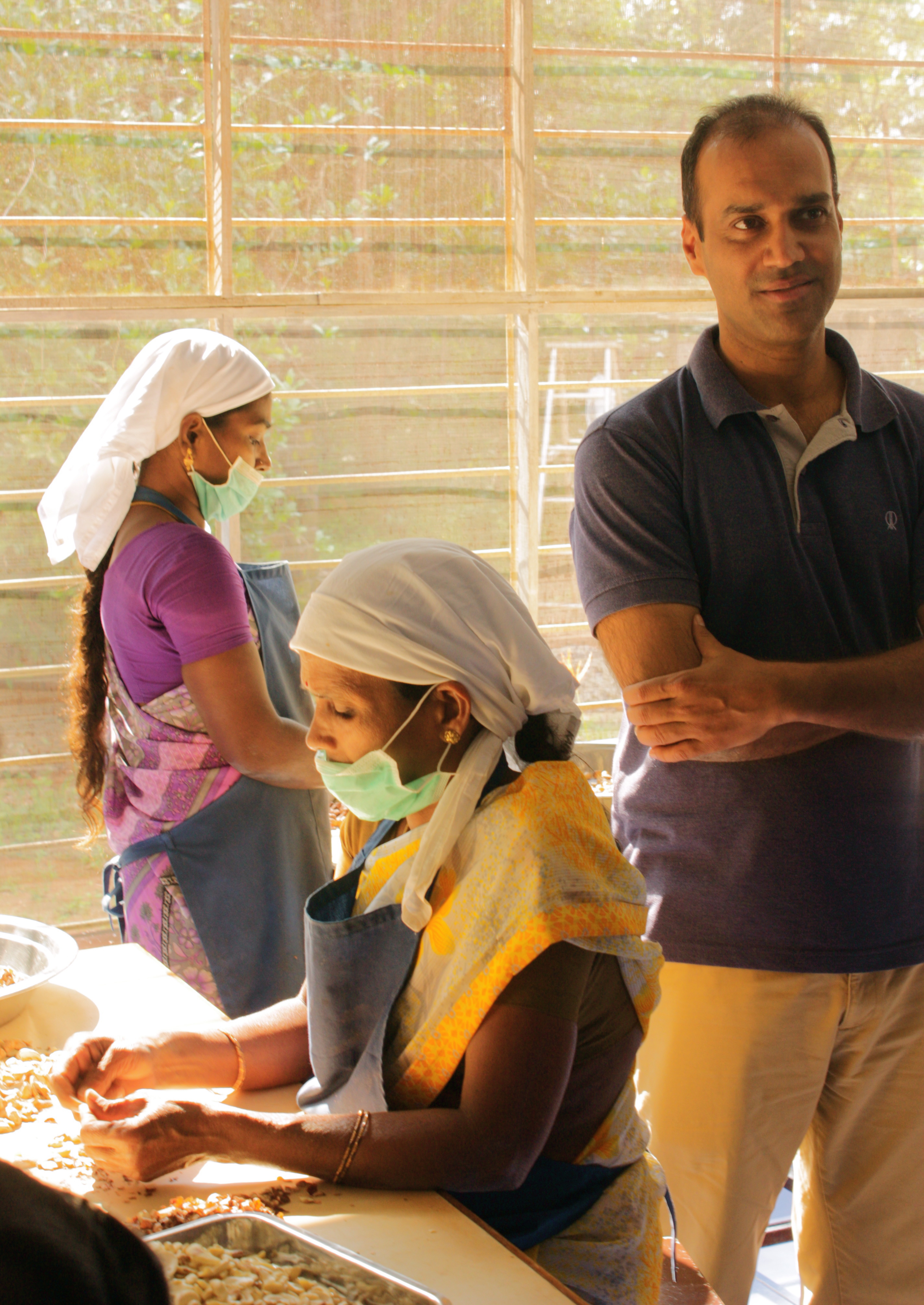
Alok and a couple women of Cuppa Chai

Arriving from Brazil, the Portuguese introduced cashews to India about 500 years ago.  The lucrative crop was able to take root in the deforested regions around Auroville and many farms sprang up.

Processing cashews is difficult.  There are many labor problems such as stealing, and large amounts of DDT are sprayed at farms around Tamil Nadu.

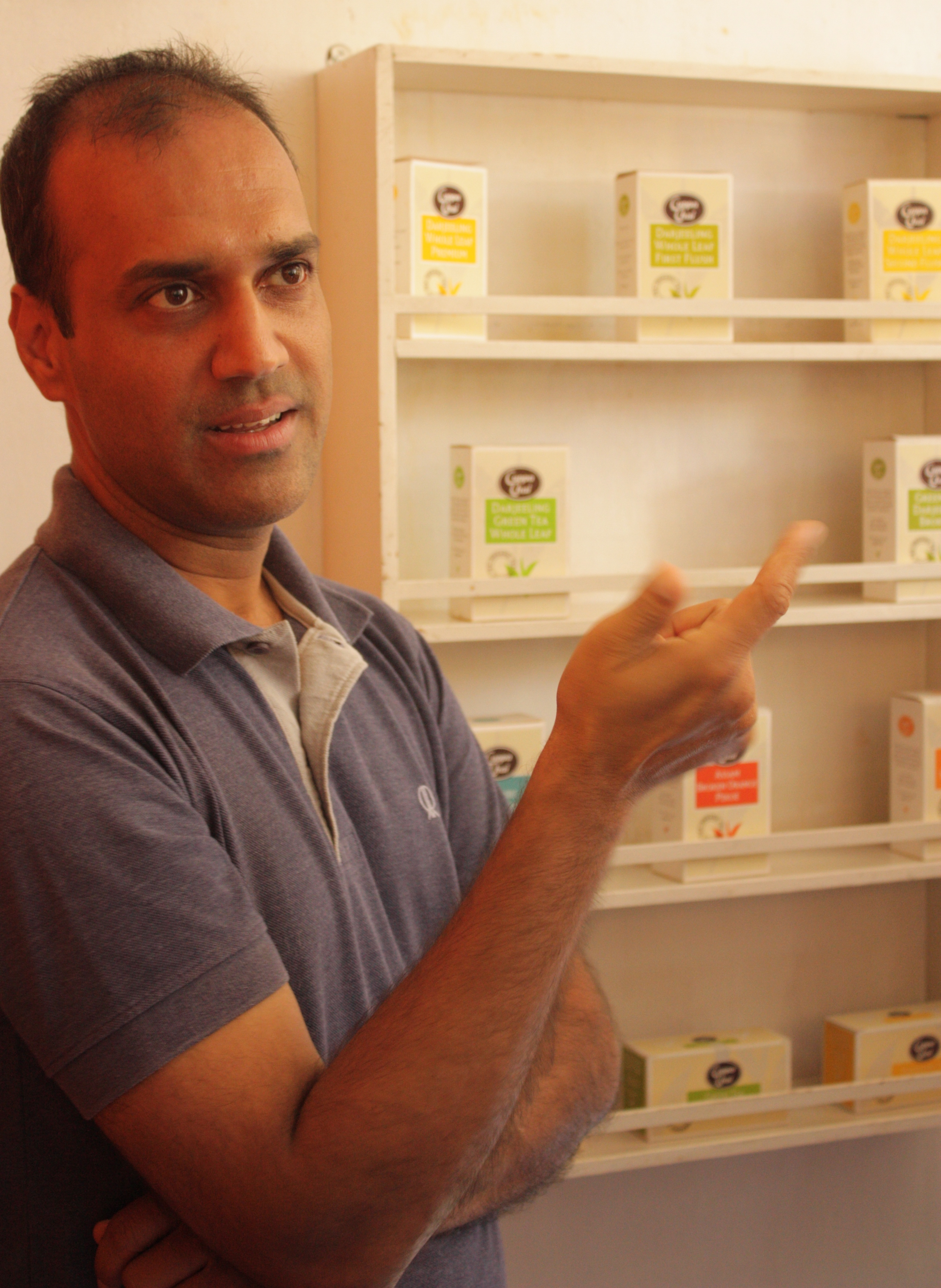
Alok, a native Aurovillian, expanded his tea processing venture to include organic cashew production about four years ago.  His business, called Cuppa Chai, is focusing on natural cashew processing– for which in Auroville there is a demand; it is directly related to the immediate region, and it’s just plain profitable.

Architectural plans have been drawn up for a larger, multi-story complex to produce more cashews, to be constructed when the price of building materials go down sometime in 2011. However, the downside is that they will then need to use less natural means to process the cashews, such as more machines for steaming and drying.

The sustainability of natural products is dependent on economic viability; as the soil becomes less nutrient rich and yields less, farmers around Auroville are starting to turn away from growing these delicious cashews.

De-shelling cashews

To prepare for this, Alok is trying to develop organic fertilizers to enhance the yield and growth of organic foods.

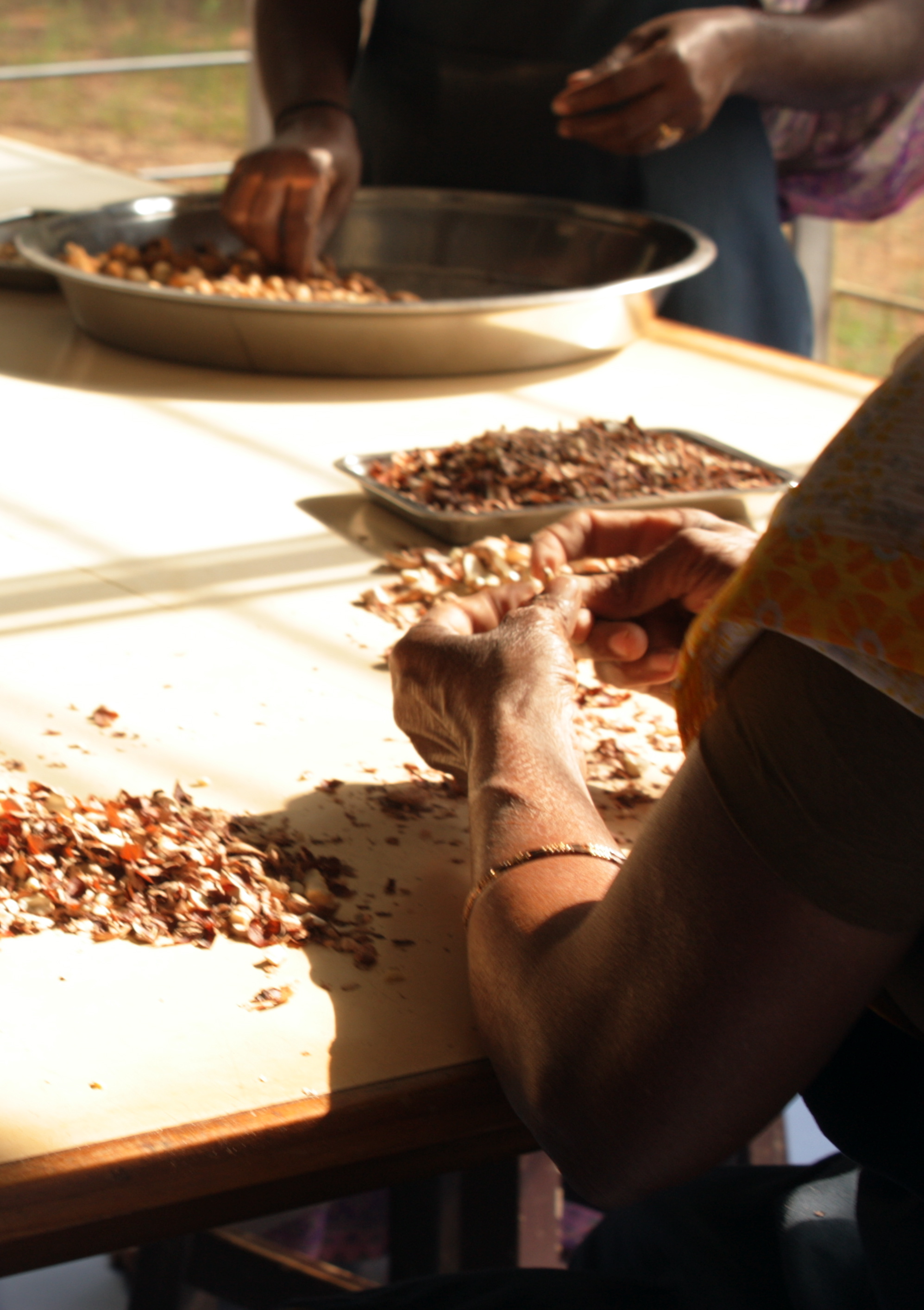
As of now, Cuppa Chai processes the cashews by hand, steaming the shells to make them easier to open.  Only three highly specialized women at Cuppa Chai do this,  processing about 55 kilos per day.  Cashews are then peeled and dried out in temporary cases via the sun.

Sun Drying Cashews

Cuppa Chai is the only place where I have ever heard of this process before.  Using their own recipe, the cashews are covered in sand, which when laid out in the sun, are able to heat the insides of the nuts without damaging the outside.

Whole cashews are typically sold as is.  Broken cashews are in high demand for products such as cashew butter.  The shells are even sold for their oils.

Our group devoured the sample of sand-roasted cashews given to us on our visit.  I should know, being one of the people holding the tray out to everyone, while trying simultaneously to take pictures and notes.  Natural food processing is also a balancing act.  We hope that Cuppa Chai is able to increase their production while continuing with their quality and environmentally friendly ways

Alok