By Syed Zaman
Nestled within the center of Auroville—where the ethos of unity and environmental awareness converge—The Colors of Nature stands out as an innovative initiative seamlessly merging philosophy and technology. Established by Jesus Ciriza Larraona, a Spanish-born Aurovillian, this organization embodies the alchemical transformation of raw materials into a dynamic, sustainable, and harmonious workspace.
At its philosophical core, The Colors of Nature draws inspiration from the symbiotic relationship between humans and nature. The organization operates on the premise that textile should not impose on the environment but rather integrate with it—creating a dialogue between the hand-crafted and the natural—and this philosophical foundation shapes every aspect of their innovative approach to sustainable fashion.
Sustainable Threads: Weaving Collective Principles at The Colors of Nature
Within the landscape of ethical fashion—the universal inevitability of the fabric dyeing process echoes a shared human experience. The manner in which we navigate this transformative journey and the ethical values we champion throughout this profound passage serve as poignant reflections of our existential essence. At The Colors of Nature—the dyeing process transcends individual narratives—evolving into a collective exploration imbued with the core principles of integrity, collaboration, empathy, and a myriad of other ethical tenets. In this collaborative venture, each thread of fabric woven reflects not just a personal journey but a communal dedication to sustainable, harmonious, and ethical ‘Fashion’ and ‘fashion’ practices.
Authenticity in Sustainable Hues:
In the laborious yet rewarding sustainable coloring process at The Colors of Nature—integrity takes center stage as a commitment to authenticity and honoring individual narratives. The organization adopts a philosophy that encourages participants to engage in fabric dyeing with unwavering honesty and openness—incorporating both scientific principles and sustainable practices. This commitment extends to mindful choices made during this scientific and creative phase—encompassing considerations such as eco-friendly dyes, responsible water usage, and the celebration of diverse cultural influences.
Synergy in Sustainable Evolution:
At The Colors of Nature, the dyeing process transcends mere solitary work; it unfolds as a collaborative journey engaging individuals, artisans, and the wider community. The organization cultivates an environment where open communication and collective decision-making take precedence. In crafting collaborative dyeing plans, skilled craftsmen, sustainability experts, and community networks unite to ensure that the transformation of fabrics unfolds with a shared sense of responsibility. This holistic approach extends far beyond immediate circles—weaving a network of support that transcends individual boundaries—contributing collectively to sustainable and ethical fashion practices.
Compassion in Sustainable Coloration:
At The Colors of Nature, empathy forms the bedrock of fabric dyeing practices. The organization acknowledges the profound emotional, artistic, and scientific dimensions inherent in this transformative journey—prioritizing compassion and understanding. Artisans, volunteers, and community members undergo training to offer empathetic support, recognizing the unique needs and emotions intertwined with the dyeing process. The outcome is an environment where fabrics undergo meticulous transformation—integrating scientific principles. In this deeply innovative and creative journey within textile sustainability—individuals feel not only seen, heard, and understood—but are actively guided through a compassionate and thoughtful process.
Celebrating Heritage and Insight in Sustainable Fashion:
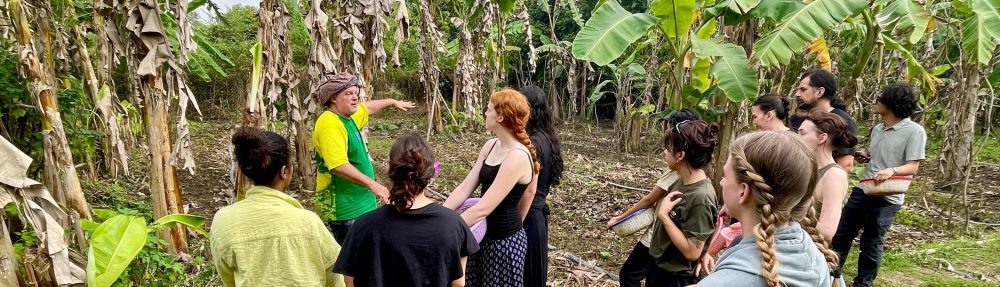
The journey of fabric transformation is not perceived as an endpoint but rather as a transition that provides a platform to commemorate the accumulated legacy and wisdom of a lifetime. At The Colors of Nature, individuals are encouraged to introspect on their experiences, share stories, and impart valuable lessons to the community. Legacy-building activities, such as immersive storytelling through group visits and interactive sessions—seamlessly intertwine with the fabric dyeing process—fostering a profound sense of continuity and interconnectedness. In Auroville, The Colors of Nature redefines the fabric transformation process by infusing it with values that transcend individual boundaries—embracing the collective human experience. Integrity, collaboration, empathy, and the celebration of legacy become foundational principles—reshaping the journey from raw materials to sustainable fabrics into a meaningful and shared odyssey. Through this, the organization invites us all to reflect not merely on the end product but also on the profound beauty inherent in the entire transformative journey and the influential role of conscious fashion.


 AUP Sustainable Development Practicum in Auroville, India