A Visual Throw Back

By Mia Windisch-Graetz

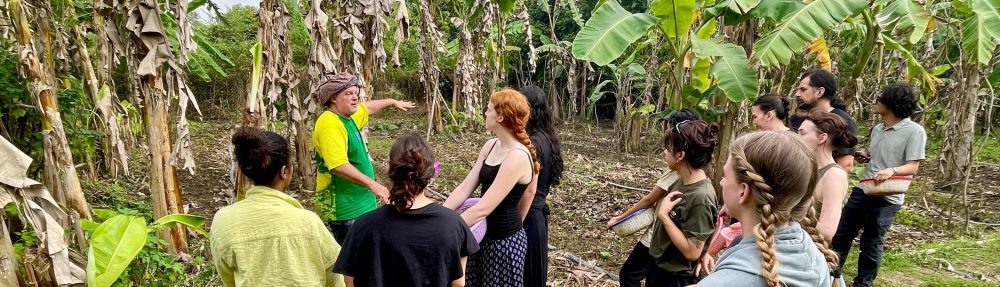
It’s been a week now since our arrival in Paris and apart from that little sun burn on the nose and a bunch of insider jokes, especially one thing remains: memories. Memories from a life-changing experience in India we will be telling our children about one day. No matter if they are in our mind or on the SD card of our reflex camera: we will keep them forever.

The slideshow below features some pictures I took during this amazing journey. Tip: You can also listen to some Bollywood classics to get even more into the Indian mood while watching.

This slideshow requires JavaScript.

Same same but different but still same. Or would you rather call it different different but same but still different? Anyway, I hope you enjoyed the visual throw back to a world different but ‘same enough’ to call it our own.

Nandri et bisou

‘We just can’t’

Two toilet paper rolls, six dresses, twenty-seven cold showers, no laundry load (hand-wash only), and 1.5 Gigabytes of internet. – All in one month. If you had told me that I would be able to ‘survive‘ this way before I left Paris, I never would have believed you.

Right after our arrival at the Chennai airport we went to a restaurant where we did not only have our first ‘real Indian‘ dinner but were also confronted with a ‘real Indian toilet’ for the first time. As soon as you entered the bathroom, the hygiene standards were not the same as we are used to back in Europe because there was no toilet paper instead you could only find a dirty bucket. Some of us went, while others kept saying ‘I just can’t, and waited until they arrived at the hostel. On the bus, some of us were dying to go to the loo because our bladders were about to explode.

Toilet, bed, toilet, bed. – While everyone was out and about visiting NGOs, I was running back and forth from my room to the toilet. Suddenly, I realized that the toilet paper was all gone, which gave me no other choice but to use my hands and a bucket.  And guess what: it was not too bad.

                                                               ***

When we found out that the washing machine broke down at our hostel, I asked myself: am I going to wear the same dirty clothes all week? Consequently, we had no other option than to hand wash our towels, dresses and underwear.

                                                               ***

During our stay in Auroville, the most problematic issue was that internet was almost non existent. Thus, we had difficulties communicating with our families, friends abroad, students from our group and the NGOS we were working for.

                                                                ***

This month was not about sitting in a classroom and learning about sustainable development from the books. We were actually living, breathing and talking sustainably. The problems we were confronted with lead us to find more sustainable solutions.

A question we could all ask ourselves after this month: how much toilet paper, water and energy did we actually save here?

By asking several students and according to the data I gathered from doing some research I found out that our group saved 38 toilet paper rolls composed of 38,000 sheets of toilet paper, which is equivalent to about 2 miles. Moreover, a standard toilet uses about 3.5 gallons of water per flush, a low-flow toilet uses 1.6 gallons whereas for squatting toilets only 0.21 gallons are needed. With the average person flushing about 8 times a day, (not accounting for the people who had diarrhea) we saved approximately 13 502.16 litres of water in total or the equivalent of a swimming pool.

Considering that none of us used a blow dryer or a washing machine, and as we were mostly cycling around with our bikes, we saved a great amount of renewable energy as well.

What will happen when we get back to Paris? Will we ever able to continue the ‘Aurovillian lifestyle?’ – This month, we made it happen, so the answer isDSC_0186: Yes we can.

by Mia Windisch-Graetz

Waste less by slowing down

At every turn, the exchanges we make amongst ourselves and our objects seem to increase at an unstoppable speed. A short visit to WasteLess and it was immediately evident we are living in a space of accelerated consumption. From mobile phones to t-shirts, when is a product considered old? The trend suggests that a product’s life is becoming shorter with each generation. When in a time our grandparents considered a t-shirt old at 15 years, today’s generation considers it old at six months.

Our desire to replace or upgrade our phones and t-shirts presents a behavior that invites more conscientious awareness, but perhaps accelerated consumption requires a more investigative look; maybe our smart phones and t-shirts are just the tip of the iceberg? Are there other “fast” consuming habits that may not yet be immediately noticeable? With 1.25 billion people living in India, perhaps this country is an incubator for accelerated consumption? Consider the basic need to wash one’s hair – most reading this might purchase a bottle of shampoo that lasts one or two months. In India, the same bottle may be too expensive or the purchaser may need to share the entire bottle among their community depending on the cultural expectations within a particular village. As a result, major brand marketers have responded to this need and created the single-use packet — affordable and readily accessible in the market square the day it is needed. Unfortunately, this approach is not limited to shampoo, but single-use packets are also produced to meet other daily needs such as laundry, body and dish soaps among other daily needed products.

IMG_4362 (3)

But what makes up the composition of these single-use packets? We must peel back the layers in order to take a closer look and see the unseen. Unfortunately, it’s not as simple as a piece of plastic readily available for recycling. According to Ribhu Vohra at WasteLess, the design is composed of a multi-layer foil or laminated packaging film which includes not only aluminum but is also composed of very difficult to process plastics such as Termo and Termoset plastics. And because the metal component causes additional challenges, the single-use packets are not currently being recycled!

And it begs the question, where do all these packets go once the product inside has been used? If they are not being burned in a landfill, they often end up on the side of the road or worse, clogging drains possibly leading to increased cases of malaria and dengue fever.

It is becoming more evident, there is a seriously large problem contained in such a little package. Individuals wish to address their immediate needs, and corporations wish to increase their bottom line. The sale of these packets accelerates revenue while also accelerating the amount of waste in landfills, accelerating disease and pushing aluminum into water systems that may accelerate yet to be identified health problems. Furthermore, by meeting the immediate needs of individuals, brands are enabling the acceleration of thought to happen so swiftly that people no longer think through their purchase activity. By way of convenience, many brands have simplified our thought processes expediting our rate of plastic consumption.

Where do we go from here? The question at hand requires major shifts in not only how we think about the products we consume but also the space in which the life cycle of those products occupy. This is not a problem isolated to India. This is a global challenge — a challenge for us all to slow down, reflect and act consciously about our product consumption habits.

Alexa Newlin


Chidambaram and Pichavaram Excursion

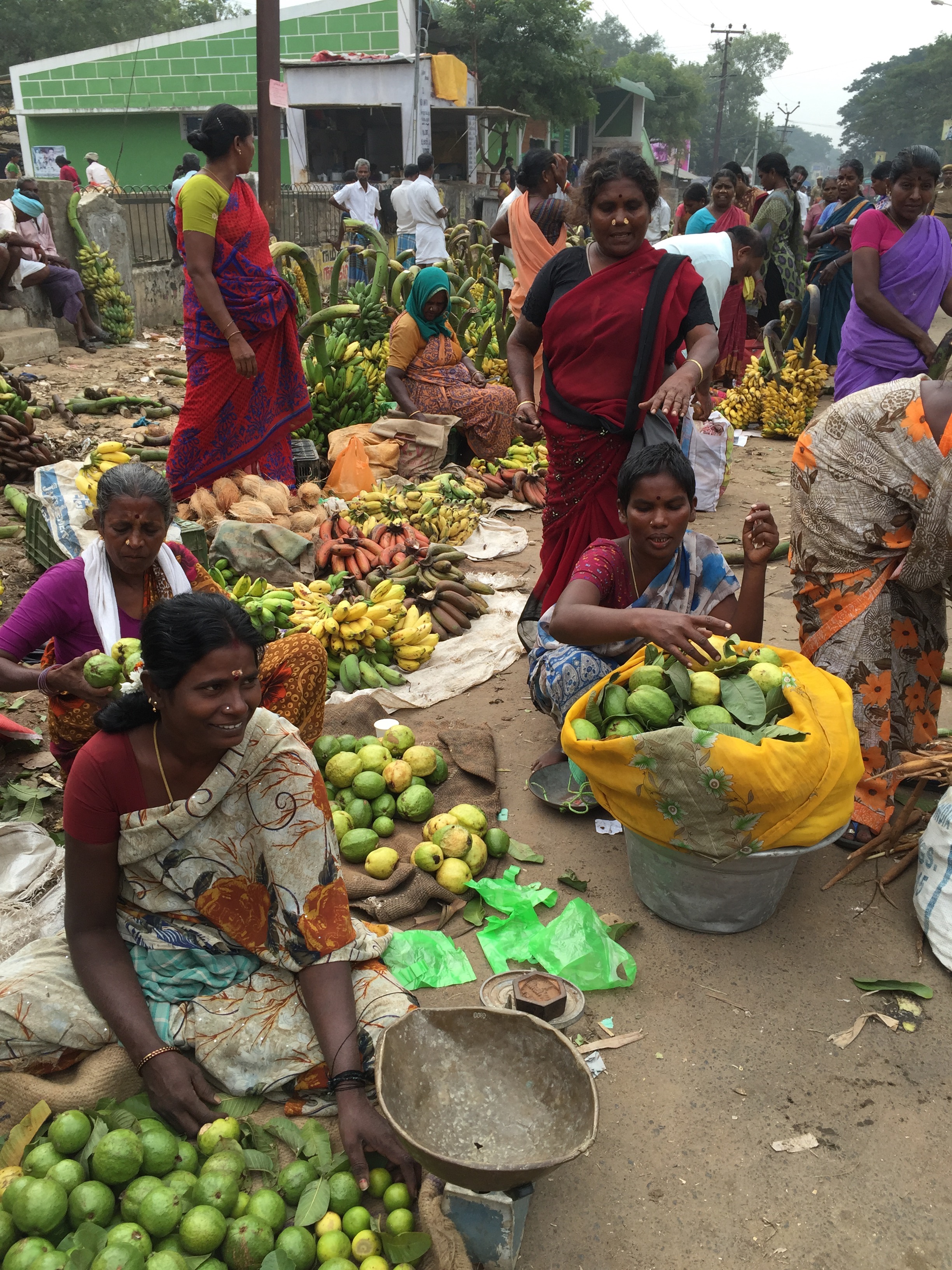
Our first stop was the market to grab some fruits for our breakfast

Our first stop was the market to grab some fruits for our breakfast

At the Anandha Bhavan we had Idli-Sambar, a typical South Indian breakfast, along with Medhu Vadai a popular snack in Tamil Nadu.

At the Anandha Bhavan we had Idli-Sambar, a typical South Indian breakfast, along with Medhu Vadai a popular snack in Tamil Nadu.

image

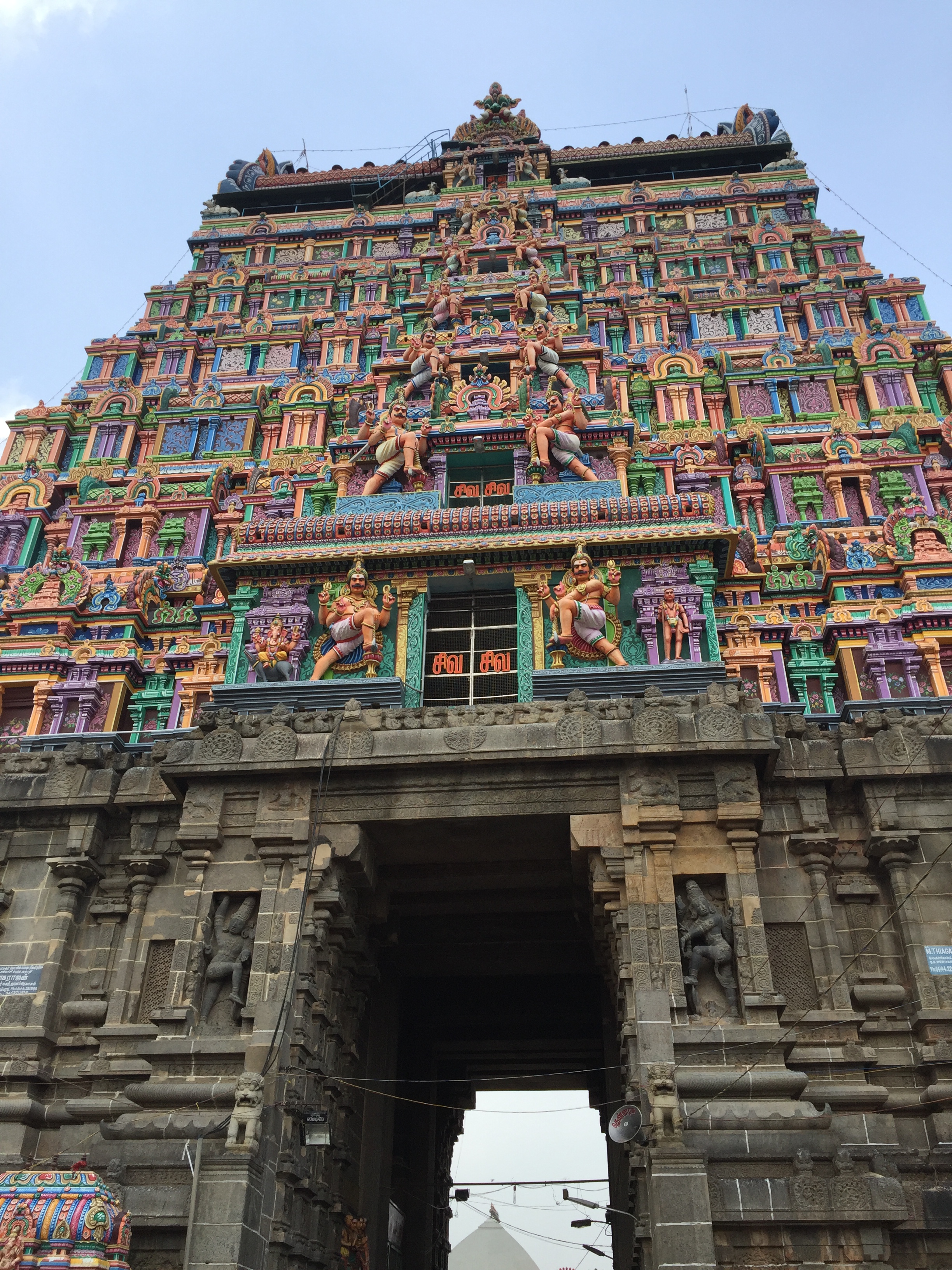
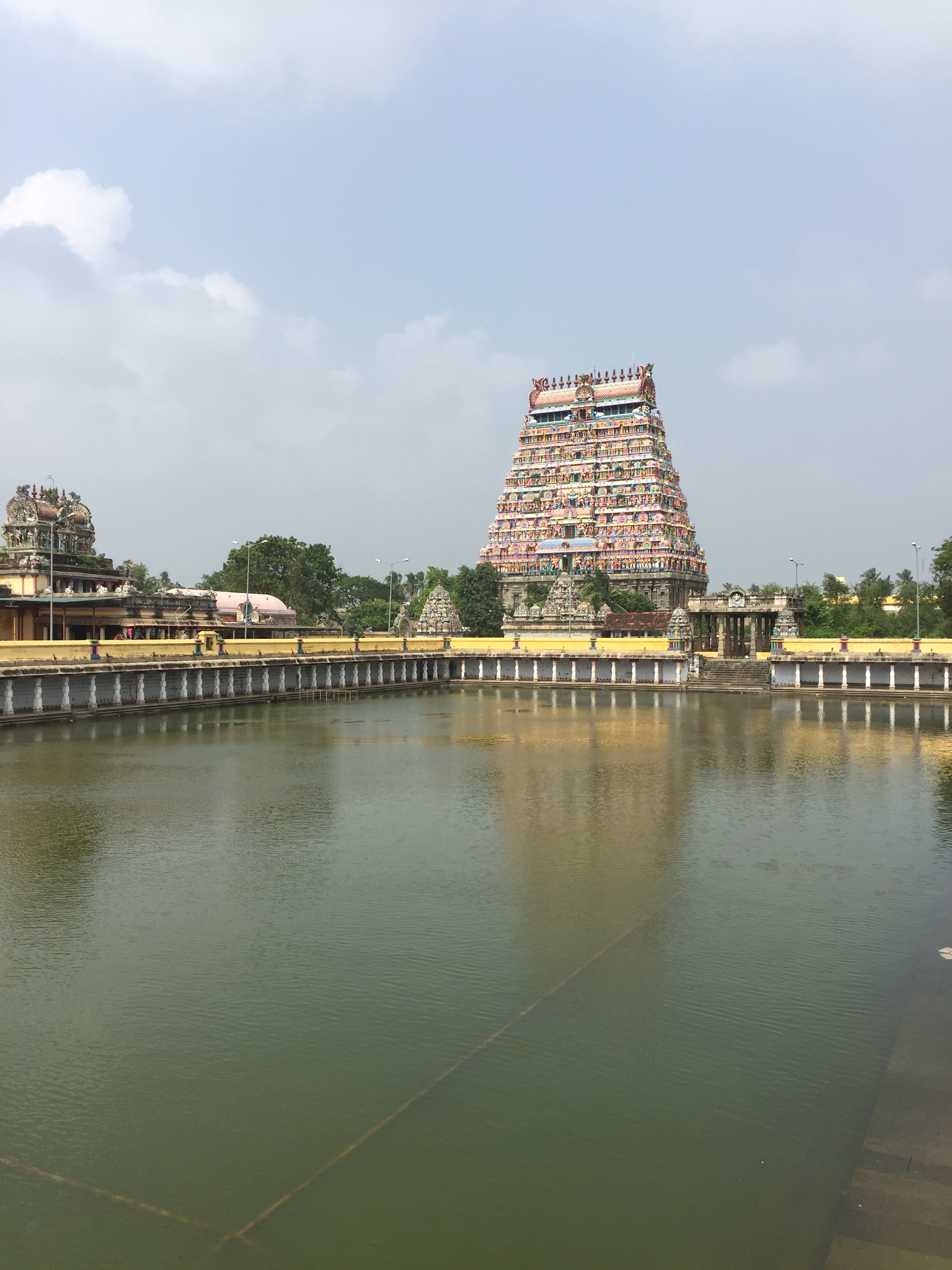
Chidambaram temple is a Hindu temple dedicated to Lord Shiva located in the town of Chidambaram, Tamil Nadu, South India. The temple is known as the foremost of all temples (Kovil) to Saivites and has influenced worship, architecture, sculpture and performance art for over two millennium.

Chidambaram temple is a Hindu temple dedicated to Lord Shiva located in the town of Chidambaram, Tamil Nadu, South India. The temple is known as the foremost of all temples (Kovil) to Saivites and has influenced worship, architecture, sculpture and performance art for over two millennium.

image

Kali is the goddess associated with empowerment, or shakti. She is the mighty aspect of the goddess Durga. The name of Kali means black one and force of time, she is therefore called the Goddess of Time, Change, Power, Creation, Preservation, and Destruction.

Kali is the goddess associated with empowerment, or shakti. She is the mighty aspect of the goddess Durga. The name of Kali means black one and force of time, she is therefore called the Goddess of Time, Change, Power, Creation, Preservation, and Destruction.

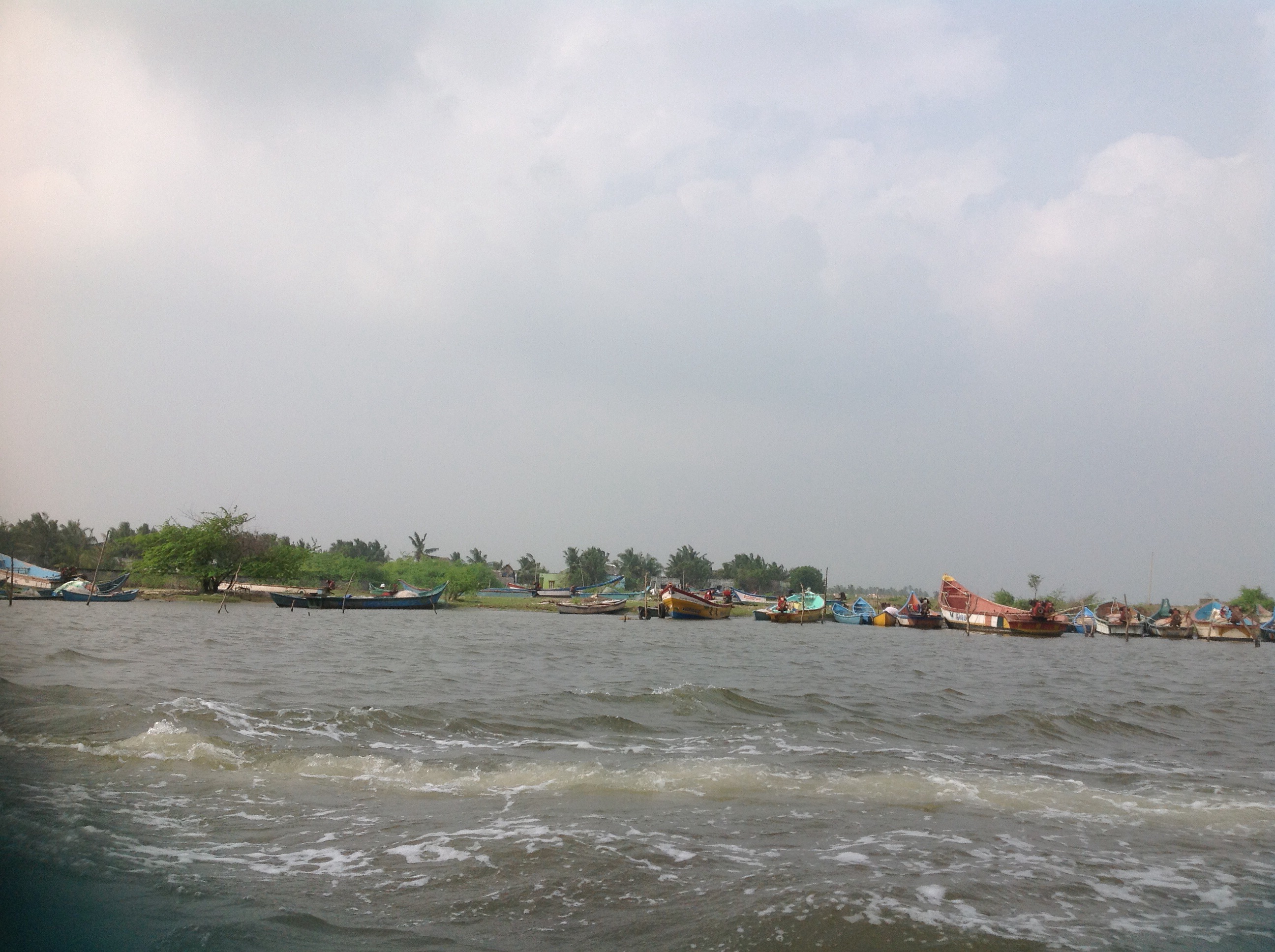
Pichavaram mangrove forest, the second largest in the world

Pichavaram mangrove forest, the second largest in the world

image

-Chrystal Vavoulidis

A Commercial Project by Unilever: Discrimination of Skin Color in India

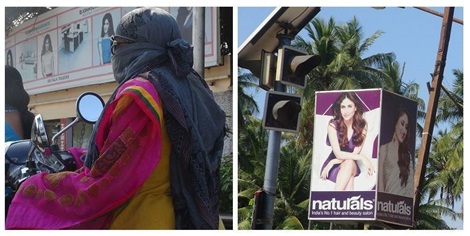
As internet users, we are all exposed to a number of YouTube advertisements every time we are connected, unless we blocked them. During my time in India, I witnessed a few interesting online videomercials that were designed to be geographically-targeted. In India, it does not require watching more than one or two ad campaigns to understand that the media exclusively employs light skinned actors. However, a commercial for a so-called anti-pollution cream especially got my attention. Knowing that pollution is a tremendous issue in India and often seeing women in Pondicherry, putting a scarf around their head to protect their faces in traffic, I was intrigued from the start. In the video, a young light-skinned female plays a typical Indian woman washing her face with the product after realizing that a scarf does not protect her skin “against dullness caused by pollution particles”. The face wash promises to “extract all pollutants from the inside” and yield a “glow and fairness on the outside”, owing to its activated carbon “that has purifying power”. I was completely confused as soon as I heard the advertisement and saw what was written on the packaging: “Pond’s pure white face wash.” However, what really shocked me was at the end, when I saw Unilever’s logo.

1

Pond’s is a brand of beauty and health care products owned by Unilever, world’s third-largest consumer goods company. When I visited Pond’s website, their brand philosophy expressed how each product brought out the best in women’s skin that was linked to its fairness. Valuing fair skin can carry two definitions: fairness either implies beauty and physical attractiveness, or suggests being light in color, meaning a skin of light complexion. Here the direct association made between beauty and light skin is patently clear, furthermore, the idea of a whiter skin connected with “purity”. This “purifying power” is what Pond’s promises to provide to their customers. The “purity” again seems to hold a dual denotation here: it does not only indicate being hygienically-clean, but it also qualifies being of unmixed ancestry or origin. Pond’s does not solely rely on rhetorical techniques to persuade women in buying their products but carefully exploits and accentuates discrimination of skin color, on the pretext of offering a solution to avoid pollution effects.

In a country like India, where both race and caste underlie extreme inequalities and prejudices that are based on birth, Unilever commercializes these deeply-entrenched social stigmas to peddle skin-whitening products for profit. After further research into their advertisement campaigns, I encountered no shortage of more disturbing content. The Anglo-Dutch corporation offers a prescription for those who have dark skin: buying Pond’s products makes you whiter, more desirable, and even helps you find love.

The Advertising Standards Council in India published certain guidelines in May 2014, concerning skin lightening and fairness improvement products. Communicating discrimination of skin color through advertisement, using post-production visual effects to enlighten the skin of the model or associating the darkness or the lightness of the skin color with a socio-economic strata were articulated as a major concern for the sector. As a matter of fact, Pond’s advertisement campaigns seem to have gotten less negligent of these issues through the years, if not completely ethical, nor sensitive about the matter.

Click to see difference between a recent campaign (2014) and an old campaign (2008).

The more I discovered different advertisement campaigns, the more my ears got used to hearing the slogan: “Pond’s – White Beauty”. If Unilever wants to invest in creating a positive social impact in the countries where they sell their products, they should have undertaken the responsibility by changing their brand’s message before they dedicated a whole section of “Sustainable Living” on their website.

1

-Cansu

Chocolate Can Help Save the Planet

save worldWhile the above phrase is meant to be a joke, it actually is quite true. The cacao tree can aid in the healing of not only Earth but humans well.

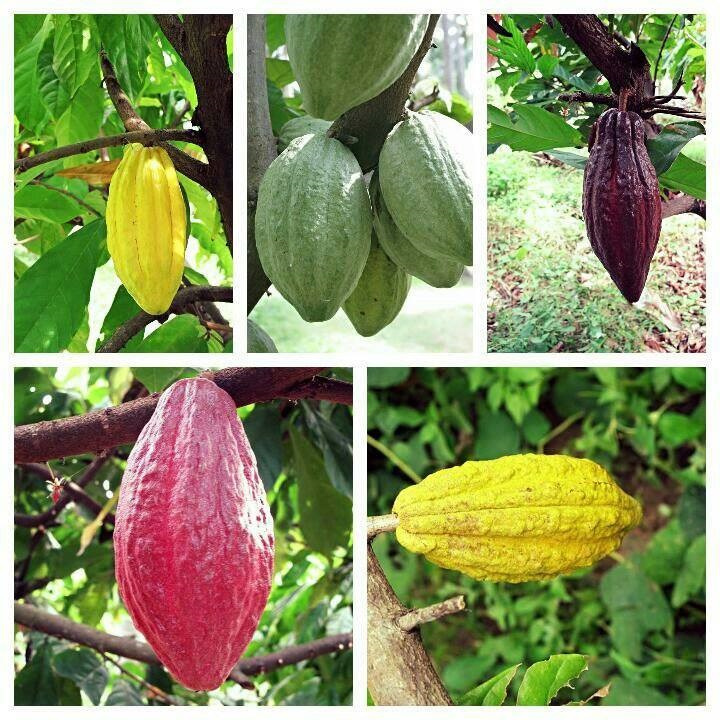
Sustainable cacao tree growing is not only environmentally friendly, but assists in providing natural balance for forest vegetation. Also, it can grow simultaneously next to 50+ types of other trees (including the coconut tree which is very important to India considering it is one of the top exporters of coconut in the world) which naturally pollinate the cacao tree and therefore requires minimal, if no, use of chemical fertilizers.

cacao podsI know I stated that chocolate can heal humans and that might be a little farfetched. However, there are certain properties of the cacao bean that are beneficial to humans and can aid in improving our health. Consuming dark chocolate, in small quantities of course, can improve heart health, lower blood pressure, and packs some serious powerful antioxidants.

There is already a huge chocolate industry, so why are environmental and health benefits still being discussed? While that is correct, the industry is not all sunshine and rainbows. There is a darker side to the cacao industry which is not sustainable to human beings.

Luckily, the dark side of chocolate does not seem to be present in India, at least as much as in other parts of the world. India is not necessarily known for its cacao industry although many big chocolate companies, such as Cadbury, Mars, Hershey’s, actually do get their beans from India. However, the farmers in India sell all their beans to these big companies; meaning both the good AND the bad beans are going into the chocolate that you more than likely buy. These big guys aren’t too keen on superior quality.

That is starting to change. There is a movement in the chocolate making industry now to follow what is known as the bean-to-bar process. I must admit that I had no idea what this was until I was introduced to a wonderful social enterprise here in Auroville called Mason & Co Craftsmen of Chocolate.  This process of directly making the chocolate bars you consume straight from the bean itself (and not from pre-made bulk chocolate that is melted down and molded into bars) not only allows for better flavor and purity, but also allows the farmer to harvest a better quality product and be able to receive fair prices for his beans.

mason cacao roastingmason chocolate barMason Bars 3It was not apparent to me at first, but now, after studying this company, I can see how almost anything can be under the umbrella of sustainable development. How working directly with farmers to improve their crops to obtain a fair trade value provides the income needed for the farmer to support his farm and his family. How with improved crops it in turn improves the quality of the cacao beans used to make chocolate. How even deciding to plant cacao trees in the first place helps the Earth’s natural soil components while also aiding the vegetation surrounding it and naturally keeping away pests so that there is no need for artificial pesticides.

Next time you buy some chocolate, research the company before you do and see whether they are on the right track to help heal the planet while of course at the same time providing you with a delicious treat.

I think I’m going to go take a chocolate break now…


*All images courtesy of Mason & Co.

The Role of Sexuality in Indian Society

Britain came to India in the 17th century. For over 300 years the British ruled India, exerting enormous influence over the economy, the laws, and the ways of thinking of one of the world’s oldest civilizations. Then they just up and left (more or less).

Now India has had to live with that colonial influence and Western way of life while still trying to hold on to their own culture, which has played out quite interestingly in the rights of the Indian population to be homosexual or transgender.

It is legal to be transgender, but illegal to be homosexual.

The legal acceptance of transgender stems from that fact that it is not viewed as sexuality, but simply a matter of gender: male or female. However, just because the law has made it so (even going so far as to declare transgenders to be a third gender) does not mean that society has accepted transgenders with open arms.

Homosexuality is an entirely different matter. It is a subject that is quite sexual in nature and simply a question of being either of the male or female gender. Intercourse between two men is considered to “against nature;” a violent act; and therefore even a consenting adult can be put in jail for up to 10 years simply for having sex with someone of the same gender.

In the Indian Penal Code, the 377 law, established during the British colonial era in 1860, criminalizes homosexuality as “carnal acts against the order of nature.” The LGBT community in India saw a hope for their rights though in 2009 when the Delhi High Court ruled that this law was a violation of fundamental rights. The victory was unfortunately short lived though as four years later the Supreme Court reversed the lower court’s decision, citing that it was a matter for Parliament to decide and not the justice system.

So besides being a taboo subject, since being homosexual is illegal it is therefore very hard for organizations to even form to help those in need. To provide information on safe sex practices, a safe space to simply discuss, or even just a place to be where someone doesn’t have to hide who they are. An organization we visited here in India, Sahodaran Community Oriented Health Development Society (SCHOD), is trying to do just that though.

At the moment SCHOD focus is to educate the LGBT community in regards to safe sex practices to lessen the cases of sexually transmitted infections and HIV/AIDS. However, the ultimate goal is the rights of the minority community they belong to. Our presenter, Sheetal, formally Rajesh, provided us with an eye-opening story of her life and her freedom of being able to transform from the male body she was born into to the female she was meant to be. However Sheetal and her organization have a long fight ahead of them.

So, in a nation determined to be still developing, though it claims to have the world’s largest democracy, where is the line drawn on what the government can and cannot tell its citizens they are allowed or not allowed to do? Should individuals of a country stand by and allow a government to tell us who we are and are not allowed to love?

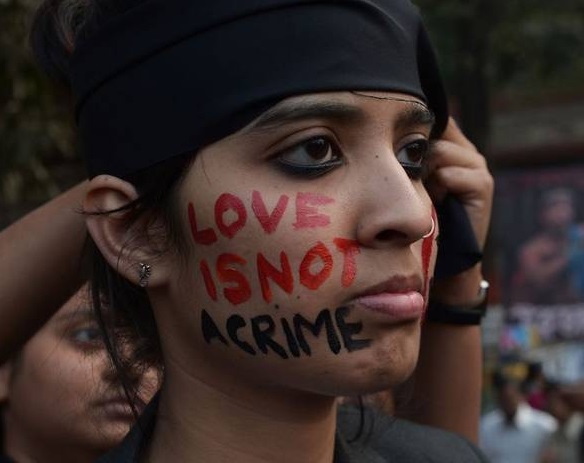
Love is Not a CrimeThe Independent

This subject though is really an issue of fundamental human rights. I cannot imagine how frustrating it must be for people of one country to look at those of another and be envious of the rights afforded to them (I am specifically thinking of India and the United States, though the US is by no means perfect). It is a complex problem of allowing each country to uphold its own traditions, customs, culture, etc. However, there are certain fundamental human rights that should globally be the same.

If you would like to read more on the subject, check out these articles.


– JLH

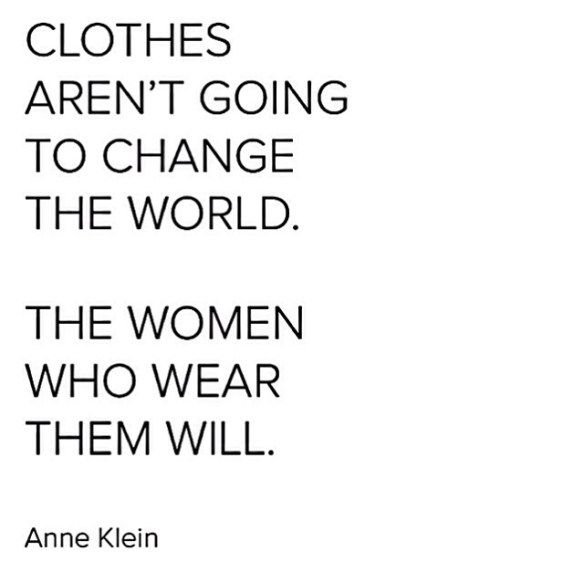
Clothes Aren’t Going To Change The World: Uma Prajapati Is

IMG_7899

Uma Prajapati, the founder of Upasana, embodies this quotation to the fullest. Based in Auroville, India, Upasana is the overarching company comprised of multiple different brands of sustainability from organic clothing, tsunami relief, waste management, social responsibility, empowerment and growth. Since working with the brand to increase consumer literacy about organic cotton, I’ve been completely inspired.

Uma Prajapati. Image courtesy of aurovilleradio.org.

Uma Prajapati. Image courtesy of aurovilleradio.org.

I spent some time talking with Uma today and what she had to tell me absolutely overwhelmed me. I wasn’t overwhelmed in the sense that I felt panic or loss of control, but in a sense that I was utterly affected by her story.

Uma came to Auroville in 1996 and after a year founded Upasana. Her aim was to bring India’s textiles to Auroville, so after sourcing from around 16 different states, the company began to develop traditional textile and fashions. It wasn’t until the devastating tsunami hit India in 2004 that Upasana started to transform. This devastating natural disaster killed nearly 230,000 people and affected the lives of 1.7 million in 14 different countries. The company was working to help pick up the pieces through various social projects. Uma ended up working with organic cotton farmers and became profoundly changed with what she learned.

“When I began to work with cotton farmers, I began to know our big brother, Monsanto. I had no idea. I didn’t know there was a seed mafia. I didn’t know that there was a chemical mafia. I didn’t know farmers were committing suicides due to the way the whole economy is structured. They feel so vulnerable. The whole thing hit me so hard,” she said.

Because of this, in 2010 Upasana declared that it was consciously taking the step into becoming organic to support the farming community. She told me that it just blew her mind when she found out that 25% of the world’s insecticides and pesticides get used in one single crop of cotton. She continued to reveal that fashion is corrupt at the very base level, that it can’t even support the people working to produce the crops necessary to create clothing.

Uma questioned her role in all of the mess. “And in that process I chose to align my action and my thought process to the future and the light of the future, not so much thinking about who has to change right now. It’s me who will change and it’s my organization who will change and I will align myself to the future. This is where the sustainable fashion as an option came to me, that if I had to continue doing fashion, it will be only this or I’m done.”

It was this point in the conversation that really made me sit back and examine the world and the people who comprise it. What are we doing to our planet, to our people? If all fashion companies and all of the segments that make it up changed to operate in an ethical and sustainable way the total global carbon footprint could be drastically reduced and countless lives could be saved. If more leaders of companies had Uma’s mindset, the world would be in a much better state.

The future of Upasana lies in international expansion. “It’s time to tell the story to the larger community.” Uma had purposely avoided that route because she wanted to serve her own country and domestic market within India, first. She continued, “now, I’m ready to take this story of a small brand venturing into a fashion and trying to bridge from the farmers to the wearer to the whole line of organic.”

I asked her where she thinks the future of sustainable fashion is headed and without any hesitation asserted “sustainable fashion, it’s the only way!” If we want to we can choose to continue to do what we are doing and destroy the planet, but eventually we have to think about the future. The future lies in sustainability and a conscious lifestyle. It’s not just the fashion industry; many things need to change.

Uma’s passion and dedication to making a difference is exactly the inspiration that the world needs to achieve the larger goal. In a world filled with people and companies whose only concern is to make money over everything else, Uma is so refreshing. But, in addition to her commitment to make this world a better a place, her positivity and optimism for the future makes me hopeful that change can actually happen. I hope my contribution to the effort has even a minor impact upon perceptions of sustainability as a whole. I hope people make the change.

By Alexa Pizzi