Yatra Arts Foundation: Empowering Communities Through Arts and Culture

By Kendall West

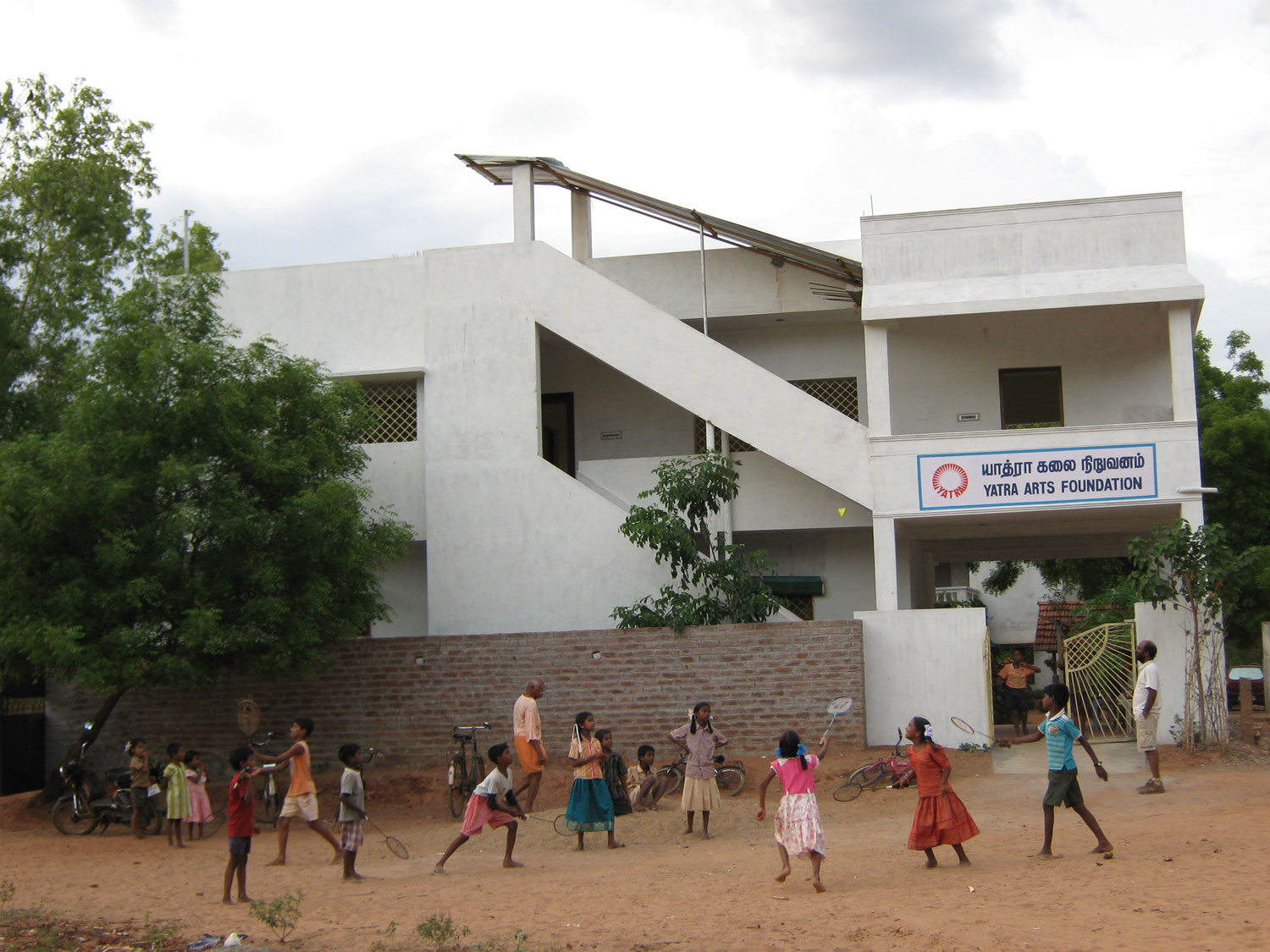
Nestled in the heart of Kuilapalayam, the Yatra Arts Foundation stands as a beacon of creativity and empowerment, transforming the lives of youth in Tamil Nadu’s villages through the enriching power of education and the arts. Founded by a visionary from this very village, Yatra bridges the gap between Auroville and the surrounding communities, fostering opportunities, preserving cultural heritage, and driving social development. At its core, Yatra embodies the belief that art is a tool for empowerment. Through street theatre, traditional dance, music, and modern educational programs, the foundation equips children and young adults with the means to express themselves, address societal challenges, and build a brighter future.

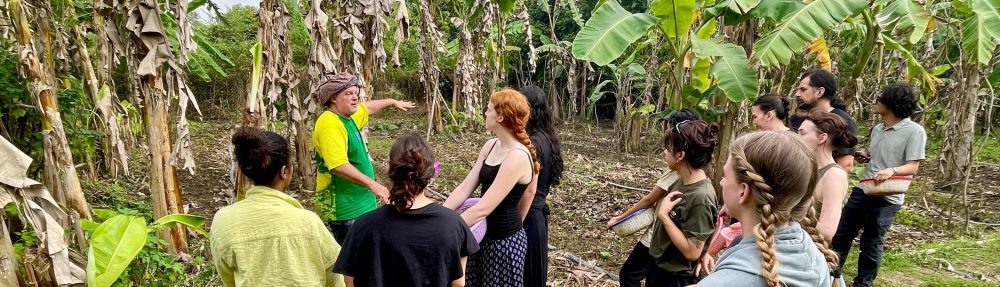
The Yatra Team, with founder Yatra, second from left

Preserving Heritage by Telling Stories

A cornerstone of Yatra’s mission is the preservation of traditional arts, and during our visit, we had the privilege of witnessing these efforts firsthand. We were captivated by a mesmerizing Bharatanatyam performance, where young girls—many of whom have been learning since they were ten years old—used intricate hand gestures (mudras), facial expressions, and precise body movements to tell powerful stories. This ancient dance form, steeped in history and meaning, showcased emotions such as joy, anger, and surprise, preserving the art of storytelling through movement and tradition.

Before Auroville’s establishment, many villages in Tamil Nadu had little access to education or the arts. Yatra has become a vital bridge, connecting these communities with opportunities for growth and development. Children, in particular, have been the most impacted, as they embrace change and learning with enthusiasm. Through its performances, classes, and workshops, Yatra ensures that these opportunities reach every corner of the village.

We were also treated to evocative Parai drumming demonstrations, which brought this traditional form of Tamil percussion to life. The resonant beats of the Parai, traditionally used to mark life events or draw crowds to performances, were not just musical but deeply practical, reminding us of its historical and cultural significance. These performances served as powerful reminders of the region’s rich artistic heritage and the importance of passing these traditions to future generations.

Girls practicing the Bharatanatyam

Art as a Catalyst for Change

Beyond preserving heritage, Yatra uses art as a catalyst for social and environmental change. Before we left, we were shown a compelling short film on the importance of waste sorting and proper waste management techniques. The film highlighted how waste, when sorted correctly, can be transformed into compost, offering valuable resources for the community while reducing landfill waste and preventing illnesses. It was a vivid example of how art—specifically film—can be used to spread awareness, educate, and engage communities in meaningful discussions about critical issues. The film not only underscored Yatra’s commitment to environmental conservation but also demonstrated the potential of the arts to inspire action and create lasting impact.

Yatra’s street theatre performances and films address a wide range of societal challenges, including cleanliness, solid waste management, environmental conservation, and alcoholism. After each performance, the foundation hosts open mic sessions, encouraging villagers to share their thoughts, voice frustrations, and collectively discuss solutions. This interactive approach fosters dialogue and empowers communities to think critically and collaborate to overcome challenges.

Modern Education Meets Cultural Preservation

In addition to its focus on traditional arts, Yatra offers a variety of modern educational programs that prepare youth for the future. These include after-school tuition classes, yoga sessions, painting workshops, puppet shows, and theatre classes, all designed to integrate life lessons with hands-on, enjoyable activities. By blending fun with learning, these programs engage students while teaching valuable skills, from environmental conservation to social responsibility.

Students in an after-school tuition session

Yatra’s work aligns closely with the United Nations Sustainable Development Goals (SDGs), particularly SDG 4 (Quality Education) and SDG 15 (Life on Land). Through initiatives like the Yatra Social Docu Series on YouTube, they reach both local and global audiences with impactful stories about pressing social and environmental issues. Collaborations, such as those with the Lufthansa Health Alliance, further amplify their reach, demonstrating the potential for art to drive systemic change.

As the foundation looks to expand its efforts, it remains deeply committed to its mission of fostering joy and learning through the arts, creating a ripple effect that benefits not just individuals but entire communities.

The Yatra Arts Foundation is growing rapidly, with its impact extending to new villages and communities. Their YouTube channel, Yatra Talkies, recently received the Silver Play Button for reaching a significant milestone of over 150,000 subscribers. The channel continues to share impactful stories, amplifying their message and engaging audiences worldwide. To explore their inspiring content, check them out at the link below:

Yatra Talkies YouTube Channel

What sets Yatra apart is its ability to inspire through joy and creativity. Whether it’s a child mastering the rhythms of the Parai, a young girl expressing herself through Bharatanatyam, or a community coming together to discuss an impactful film, Yatra proves that art is more than just a medium of expression—it’s a tool for transformation.

The Yatra Arts Foundation is not just an organization; it’s a movement. A movement that preserves heritage, addresses societal challenges, and empowers individuals to dream, create, and thrive. In an ever-modernizing world, Yatra serves as a powerful reminder of the enduring value of culture, community, and curiosity, lighting the way toward a brighter future.
Electric Mobility with Kinisi

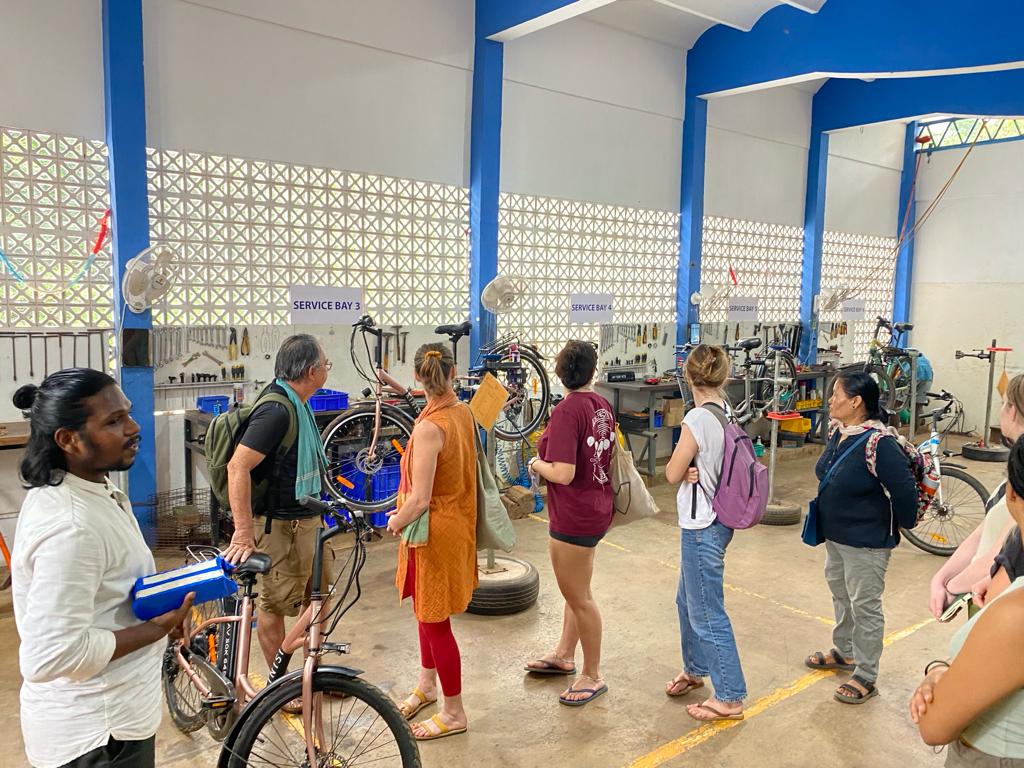
A lovely and quaint white, yellow, and blue building sits amidst the bustle of the Center for Science Research. Here you can find a garage, workshop, and co-working space belonging to Kinisi. This organization works around supplying Aurovillians, their guests, and tourists with electrical cycles in a move to shift the heavy reliance on diesel. Their newest path of expansion has been targeted towards the thousand workers that commute to and from Auroville  Not only reducing people’s carbon footprint, the initiative is helping save money as well. The average litter of diesel costs 100 rupees. In contrast with their subscription program for a monthly fee of 1,000 rupees including any repairs, maintenance, and modifications for ease of use, this saves commuters a hefty sum. (When they say, repairs and maintenance, they mean it! On my way around Auroville, my Kinisi bike chain popped off. I parked it, and after getting in contact with them, I went off to complete my errands. When I returned it was fixed and left right where I had left it!)

They estimate that within Auroville, they have a constant 350 subscriptions. All the technical work that goes into the program happens in the workshop out back where they house a Research and Development department, a maintenance department, and a storage space for old batteries. One of the biggest critiques of electronic travel is the problem with pollution and waste generated by batteries. Batteries have a complicated disposal process due to the components and acids in their makeup that can cause dangerous situations if not managed properly. However, Kinisi has put forward an initiative to repurpose these batteries for solar panel energy collection. In our short tour, our guide explained to us how their batteries are made of 20 to 30 cells. The moment a single cell has lived out its lifetime, the battery is unusable. Thus, they collect these in hopes of making use of the rest of the cells or finding a way to repurpose them or dispose of them properly after the fact.

            Located upstairs in a building behind their workshop, you’ll find their unique co-working space. With strong broadband Wi-Fi, coffee, meeting spaces, and places to take work calls, this new initiative has started to take off quickly. With the many different types of visitors that enter Auroville, the co-working space is an important tool. Especially because in my limited experience here, wi-fi and a quiet place to work are two things that are rarely found together. Thus, this dynamic and quickly improving organization is one to keep your eye on, whether for finding a place to work or finding a quick and easy way to zoom around the areas of Auroville. But move quick! The e-bikes are in high demand!

By: Alexandra Shao

Eternal Divers Presentation


cropped-logo-eternal.jpg Eternal Divers

https://eternaldivers.com/

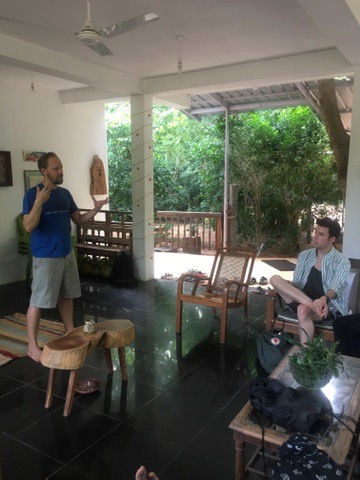
Eternal Divers is based just outside of the Auroville on the Bay of Bengal. The first thing we noticed as we approached the location is the beauty of the house, Eternity. Situated on the beach and surrounded by bush and sand, Eternity features a large, open patio that connects to the home and office of Jonas and Tracy of Eternal Drivers. Zeus, their grand Rottweiler greeted us with kisses and just a little bit of fur and slobber. The dog lovers amongst us were thrilled to meet him but we get situated quickly and open our hearts and ears to listen to “Joni” explain the mission of Eternal Divers and the issues that his team, Tracy and he are passionate about.

When Eternal divers first began, it was just another diving company and they wondered how to set themselves apart and make better use of their skills, talents and location. How to be a sustainable business and spread environmental concern and solutions is paramount for them. Yoni discussed something that caught his attention called “ghost nets” which are extremely concerning. A ghost net is a fishing net that has (most likely) become caught on something which makes it impossible for a fisherman to free it or has escaped the control of the fisherman and can’t be reeled back on to the boat. It is left behind, unattended and unchecked forever as it collects, catches and kills without consideration. In addition to the ghost nets, sewage, overfishing and erosion are all concerns for Joni and Tracy and their team. Joni told us that there is a visible line of sewage and ocean water and to help us understand just how detrimental ghost nets can be, he explained that ghost nets cause about 20, 000 US dollars loss per year. Nearby, a ghost net was discovered that had over 30 sharks caught in it and had been floating for what an estimated three years. Of course, nothing in a ghost net can be salvaged for food. It is just a true waste of resources.

Eternal Divers was enraged at the finding and asked us to consider what a tragedy this is when we reflect on the beauty and majesty of all the sea has to offer us. The pointless loss of life and the pollution caused by humans is unacceptable. Naturally, Eternal Divers found a way to expand the teaching and education of scuba and diving to the fisherman and villagers themselves to help them understand how precious their resources were and how carelessness could hurt their livelihood more than they had ever comprehend before.

We learned from them that what they are most proud of and would really like to continue, improve upon and increase the reach of is the education of the fisherman and villagers. Too many humans take the sea and all she has to offer for granted. What lies below the surface… or more importantly what is being harmed and killed off below the surface is unknown until we dive down and see for ourselves. All the incredible colorful life, both flora and fauna, are unseen, under-appreciated and unprotected. It is only through the education and the collaboration with locals that behavior change can occur. Seeing the deep for oneself may be the only way for many to understand what is at risk.

Within global communications, behavior change is the most challenging of all the goals. Behavior change, as in this instance, little to no money can be gained through the education of the locals. In fact, Eternal Divers may find that time and money are lost in their efforts; however, they feel that what India and the earth may gain is far more important if the sea and its life can be preserved through this tactic. The benefits of behavior change are often long-term rewards that seem less important in the moment. For example, a fisherman may be more concerned with how much money he can earn this week, as opposed to the concept that he may not be able to earn any money in a few years if the fish are either overfished or die off because of pollution.

Eternal Divers needs funding to help support the education of the locals, a strategic creative plan and social media revamping/attention, as well as social media viral campaign. I felt very strongly about joining their team and helping. The ocean and all the life in it and that it gives is incredibly important to me. Choosing my NGO was tough when I had to compare Eternal Divers to Marc’s Café, where I had so many ideas from the start, but I’ve loved hearing all about it from my classmate, Beatrice.


IMG_0856.jpg

Mason listens to the Eternal Divers presentation.

Sristi Village (Joachim)

In India, the intellectually disabled are often relegated to the shadows. Unseen and unheard, families fear the disgrace that may come with the birth of an intellectually disabled child. Within Hindu culture, there is a strongly held belief of re-incarnation. An individual is not their mind, or their body, but their soul. The body and mind that an individual occupies within the material world, is a supposed reflection of a past life. For many, the birth of an disabled child is an indicator of wrongs committed in a past life, and so that fear of disgrace exists. It has assured that the disabled persons of India live under the constant threat of discrimination. It has assured that this portion of society struggles to acquire the treatment they so need, treatment mandated by the U.N. Convention on the Rights of Persons with Disabilities, a convention which was ratified by India in 2007. Ratified, but not yet followed in full.
The Sristi Foundation, or Sristi Village, was founded by G. Karthikeyan with a vivid awareness in the disparity of living, between the intellectually disabled and the rest of society. Karthikeyan was raised in an orphanage which mixed intellectually disabled children with non-disabled children. In their youth, there was no difference, they lived, played and ate together as equals. But as Karthikeyan grew older, more mature, he saw the disparity deepen. As non-disabled children grew, preparing for adult life with employment, education and marriage, the disabled-children remained attached to a child-like state of affairs. They weren’t being prepared for adult life, they weren’t being guided to a purpose in life. According to Karthikeyan. With that void of purpose, the disabled would turn to aggression amongst each other, or they would fall into states of outright discontent and depression. These where his siblings, his family, their struggles touched him as much as anyone’s would. One such brother, wanted to live his life as an auto-mobile mechanic. He was skilled and capable, yet when the time came for employment, his disability assured it wasn’t possible. Karthikeyan attributes that story as the catalyst to his life’s pursuit, to give a place and purpose to the disabled.
Through farming, Karthikeyan sought to create a place where the disabled may find a purpose in life. After nine years as the director of the orphanage he, himself was raised in, he sought to create a place that didn’t help disabled children, there was enough of that, but a place which helped disabled adults. He realized the help disabled adults needed, was help finding a purpose. The answer to his inquiry came with a single sprout. Before Sristi farms came into fruition, as it is today, Karthikeyan showed on of his disabled companions a seed. He tried explaining the seemingly divine process of a seed sprouting, how a seed could become a tree. Shortly after, his companion returned to him in a burst of excitement. He planted a seed, watered it, and days after that seed became a sprout. For Karthikeyan, that excitement solidified the idea which would grow into Sristi Village. The purpose he sought to provide would through farming, he would teach disabled adults to farm, and he would do it in an environment where they would live side by side amongst each other, and non-disabled adults.
Now, the idea continues to grow, Sristi Village continues to thrive in its pursuit. Karithikeyan has successfully achieved a unique form of social development in an area where it is direly needed. With that success, Sristi Village has become a template for future organizations to learn from, in India and beyond. The fact of the matter is, the whole world could learn from Sristi. Intellectually disabled persons have been relegated to the back drops of society the whole world over. Karthikeyan has made it clear that the best course of action, is perhaps not treatment, medication or isolation, but purpose.

A Visual Insight Into a Sustainable Fashion Business

By Mia Windisch-Graetz

Check out some pictures I took during my time working for Uma Prajapati, ethical fashion designer and founder of Upasana based in Auroville, India.


A Visual Throw Back

By Mia Windisch-Graetz

It’s been a week now since our arrival in Paris and apart from that little sun burn on the nose and a bunch of insider jokes, especially one thing remains: memories. Memories from a life-changing experience in India we will be telling our children about one day. No matter if they are in our mind or on the SD card of our reflex camera: we will keep them forever.

The slideshow below features some pictures I took during this amazing journey. Tip: You can also listen to some Bollywood classics to get even more into the Indian mood while watching.

This slideshow requires JavaScript.

Same same but different but still same. Or would you rather call it different different but same but still different? Anyway, I hope you enjoyed the visual throw back to a world different but ‘same enough’ to call it our own.

Nandri et bisou

‘We just can’t’

Two toilet paper rolls, six dresses, twenty-seven cold showers, no laundry load (hand-wash only), and 1.5 Gigabytes of internet. – All in one month. If you had told me that I would be able to ‘survive‘ this way before I left Paris, I never would have believed you.

Right after our arrival at the Chennai airport we went to a restaurant where we did not only have our first ‘real Indian‘ dinner but were also confronted with a ‘real Indian toilet’ for the first time. As soon as you entered the bathroom, the hygiene standards were not the same as we are used to back in Europe because there was no toilet paper instead you could only find a dirty bucket. Some of us went, while others kept saying ‘I just can’t, and waited until they arrived at the hostel. On the bus, some of us were dying to go to the loo because our bladders were about to explode.

Toilet, bed, toilet, bed. – While everyone was out and about visiting NGOs, I was running back and forth from my room to the toilet. Suddenly, I realized that the toilet paper was all gone, which gave me no other choice but to use my hands and a bucket.  And guess what: it was not too bad.

                                                               ***

When we found out that the washing machine broke down at our hostel, I asked myself: am I going to wear the same dirty clothes all week? Consequently, we had no other option than to hand wash our towels, dresses and underwear.

                                                               ***

During our stay in Auroville, the most problematic issue was that internet was almost non existent. Thus, we had difficulties communicating with our families, friends abroad, students from our group and the NGOS we were working for.

                                                                ***

This month was not about sitting in a classroom and learning about sustainable development from the books. We were actually living, breathing and talking sustainably. The problems we were confronted with lead us to find more sustainable solutions.

A question we could all ask ourselves after this month: how much toilet paper, water and energy did we actually save here?

By asking several students and according to the data I gathered from doing some research I found out that our group saved 38 toilet paper rolls composed of 38,000 sheets of toilet paper, which is equivalent to about 2 miles. Moreover, a standard toilet uses about 3.5 gallons of water per flush, a low-flow toilet uses 1.6 gallons whereas for squatting toilets only 0.21 gallons are needed. With the average person flushing about 8 times a day, (not accounting for the people who had diarrhea) we saved approximately 13 502.16 litres of water in total or the equivalent of a swimming pool.

Considering that none of us used a blow dryer or a washing machine, and as we were mostly cycling around with our bikes, we saved a great amount of renewable energy as well.

What will happen when we get back to Paris? Will we ever able to continue the ‘Aurovillian lifestyle?’ – This month, we made it happen, so the answer isDSC_0186: Yes we can.

by Mia Windisch-Graetz

I cannot help my self

It has been argued that one can only recognize the self through the “other”. This is because the “other” confirms what the self is not. This argument is one which is salient when people promote “colour blindness” as a solution when it comes to racial prejudice. Those who are in favour of the understanding of the self through the “other” bash the notion of colour blindness because of the perceived inevitability involved in self identity formation of identifying the other and participating in “othering”.

Some collectivist societies openly recognize that the notion of the self is one that cannot exist independently without the other. There are languages that do not have an equivalent word for “the self.” The pronoun “I” is often the closest word to the self. In South Africa where I am from, the philosophy of ubuntu summarizes how the self cannot endure independently from others.  Ubuntu is the belief that you are who you are because of your interactions with those around you who also contribute to your development.

In India this inability to exclude the self from community is apparent.  All of the NGOs within and beyond Auroville all participate in contributing towards developing India in a sustainable way for future citizens of India and of the world. Auroville’s charter is one that candidly echoes the sentiment of ubuntu and selflessness:

  1. Auroville belongs to nobody in particular. Auroville belongs to humanity as a whole. But, to live in Auroville, one must be a willing servitor of the divine consciousness.
  2. Auroville will be the place of an unending education, of constant progress, and a youth that never ages.
  3. Auroville wants to be the bridge between the past and the future. Taking advantage of all discoveries from without and from within, Auroville will boldly spring towards future realisations.
  4. Auroville will be a site of material and spiritual researches for a living embodiment of an actual human unity.

Here, the definition of the self is dependent upon the recognition of constant interaction with the other. In order for Auroville to keep evolving, individuals would need to continue to learn and share from each other.

The NGO that I am working with is called Auroville Village Action Group (AVAG). The organization has self-help group sessions for its members who reside in the local villages. This may seem a little contradictory in some ways right? A self-help group in a community that doesn’t fully recognize the self without considering its community and “others”.

Self-help is a process embedded within psychology. The field of mainstream psychology often promotes the self through wholly focusing on the individual and personal development. How then does personal development resonate within a society that prioritizes the need for the development of the self through others? AVAG has managed to integrate this within its organizational practices.

AVAG self help group health seminar which took place yesterday at the AVAG premises

AVAG self-help group health seminar which took place yesterday at the AVAG premises

AVAG’s self-help groups reflect the NGO’s ability to incorporate the concept of the self in a relevant, contextual manner.  This could also be an indicator of perhaps why the self-help groups have been sustainable. Anbu Sironmani is the Director of AVAG. She argues that AVAG combines the self within its collectivist context by putting emphasis on the fact that individual development is a precursor to the sustainable development of the community. Anbu mentioned that since the self-help groups have started, the suicide rates have dropped significantly within the villages.

AVAG’s model for its members recognizes that multiple factors contribute to the self reaching its highest potential. AVAG’s services include: self-help groups, education, microcredit, community service, social enterprise and community development.

The sustainable development of the community is the utopian ideal for AVAG.  It is the reason behind why I, as a self that is not mutually exclusive from my colleagues, have come to learn from this community. I cannot help my self but be inspired by the work of AVAG and its members.

One of the AVAG self help group members

One of the AVAG self-help group members


Nolwazi Mjwara


Chidambaram and Pichavaram Excursion

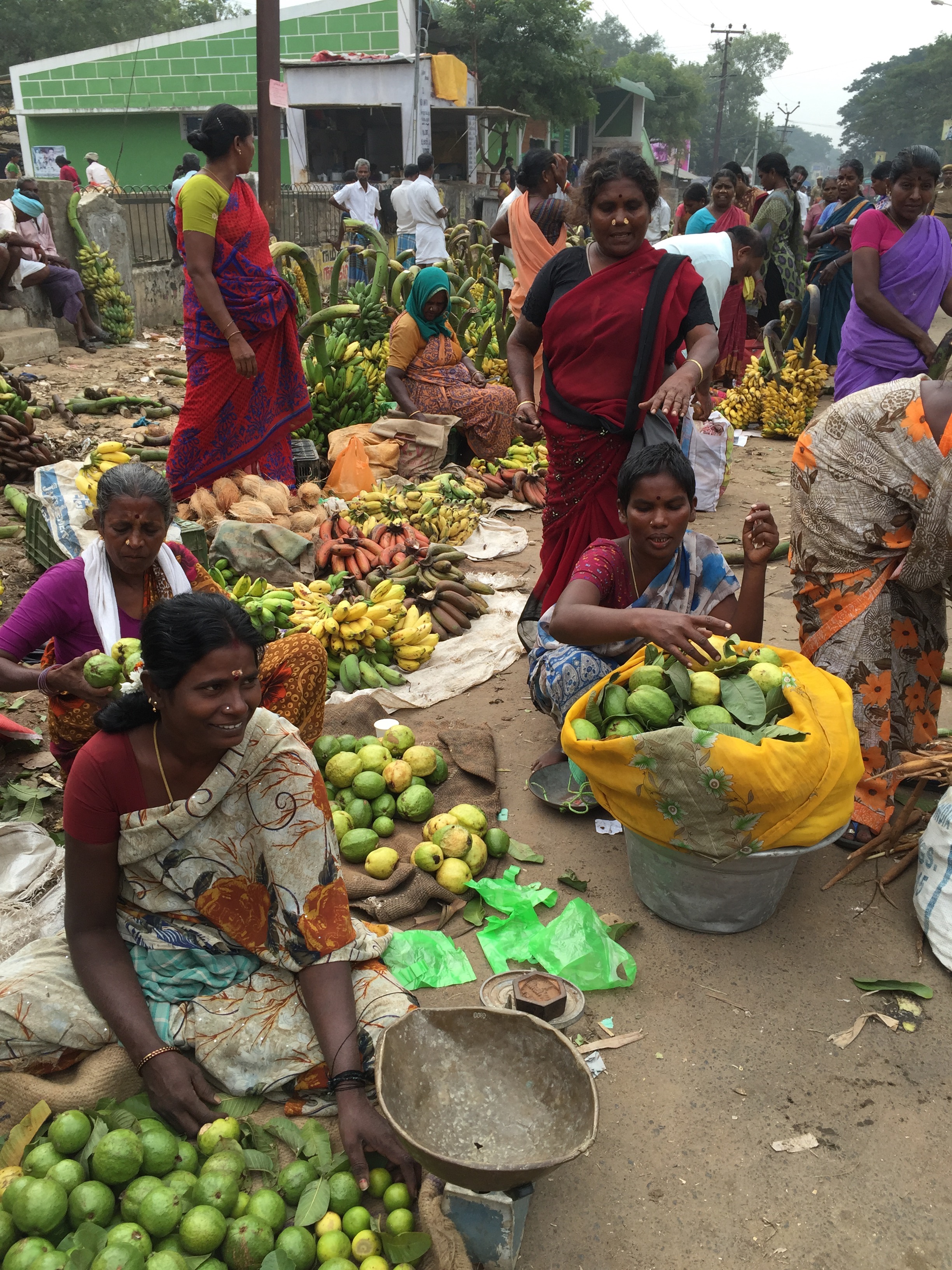
Our first stop was the market to grab some fruits for our breakfast

Our first stop was the market to grab some fruits for our breakfast

At the Anandha Bhavan we had Idli-Sambar, a typical South Indian breakfast, along with Medhu Vadai a popular snack in Tamil Nadu.

At the Anandha Bhavan we had Idli-Sambar, a typical South Indian breakfast, along with Medhu Vadai a popular snack in Tamil Nadu.

image

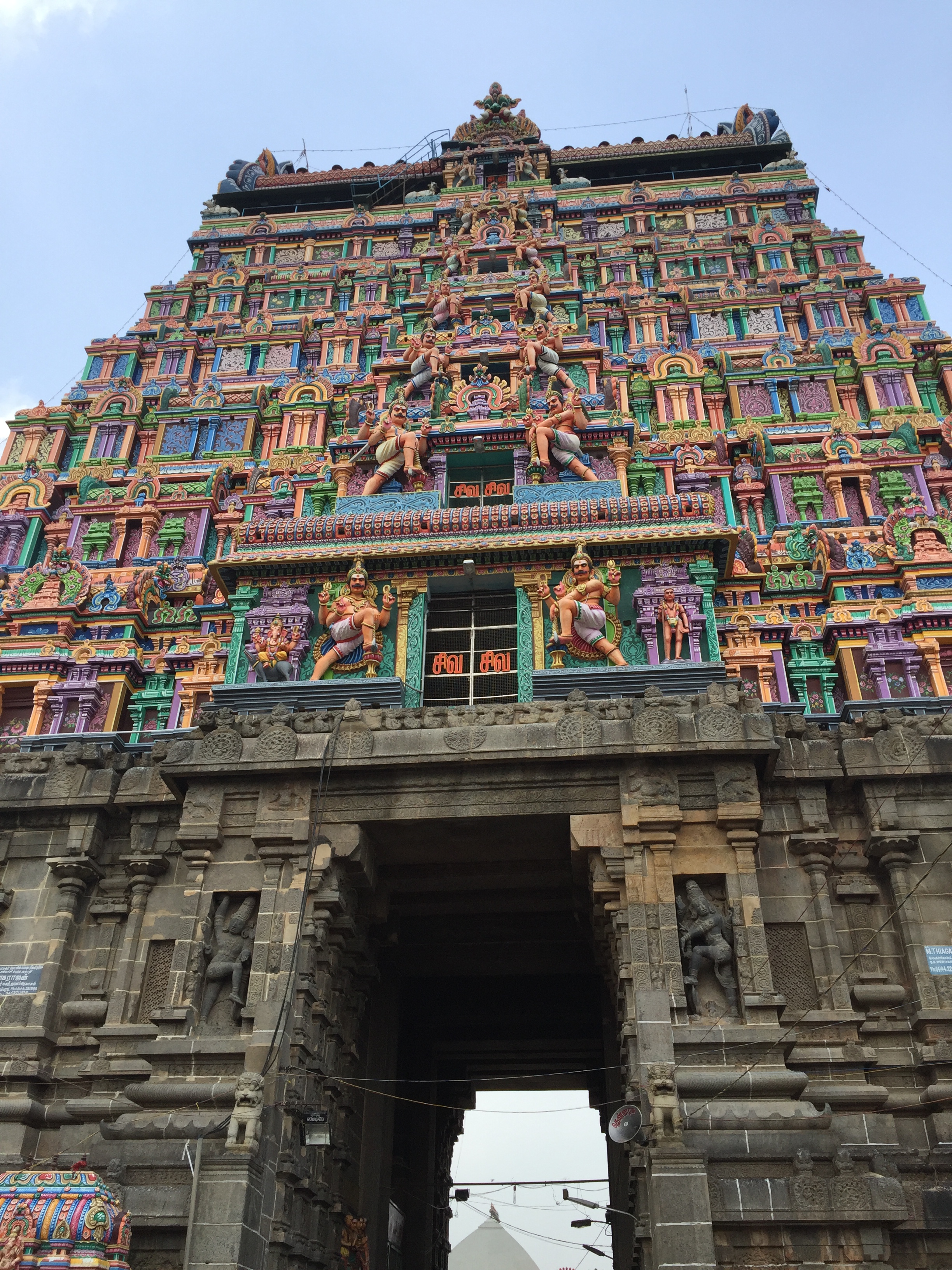
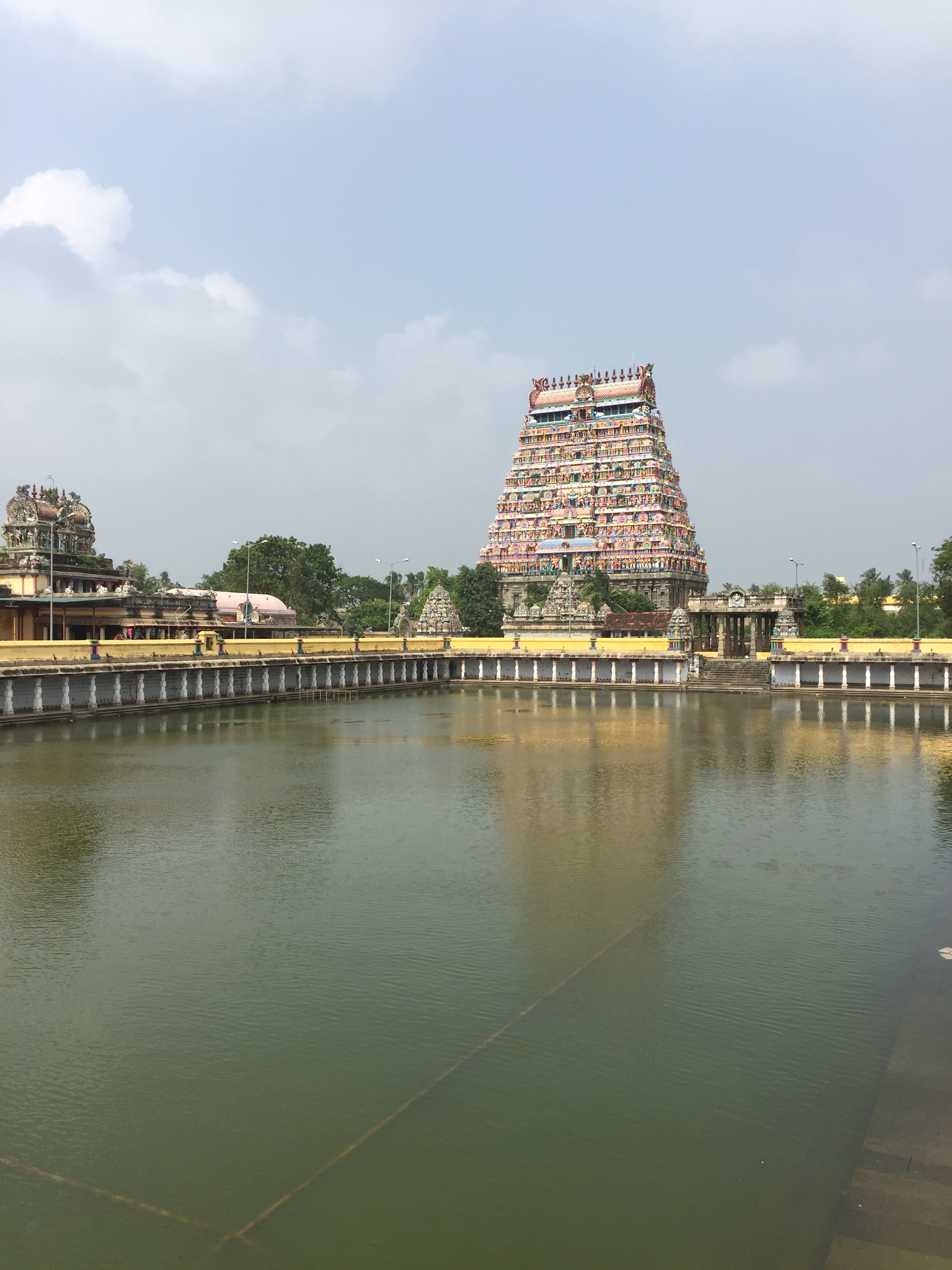
Chidambaram temple is a Hindu temple dedicated to Lord Shiva located in the town of Chidambaram, Tamil Nadu, South India. The temple is known as the foremost of all temples (Kovil) to Saivites and has influenced worship, architecture, sculpture and performance art for over two millennium.

Chidambaram temple is a Hindu temple dedicated to Lord Shiva located in the town of Chidambaram, Tamil Nadu, South India. The temple is known as the foremost of all temples (Kovil) to Saivites and has influenced worship, architecture, sculpture and performance art for over two millennium.

image

Kali is the goddess associated with empowerment, or shakti. She is the mighty aspect of the goddess Durga. The name of Kali means black one and force of time, she is therefore called the Goddess of Time, Change, Power, Creation, Preservation, and Destruction.

Kali is the goddess associated with empowerment, or shakti. She is the mighty aspect of the goddess Durga. The name of Kali means black one and force of time, she is therefore called the Goddess of Time, Change, Power, Creation, Preservation, and Destruction.

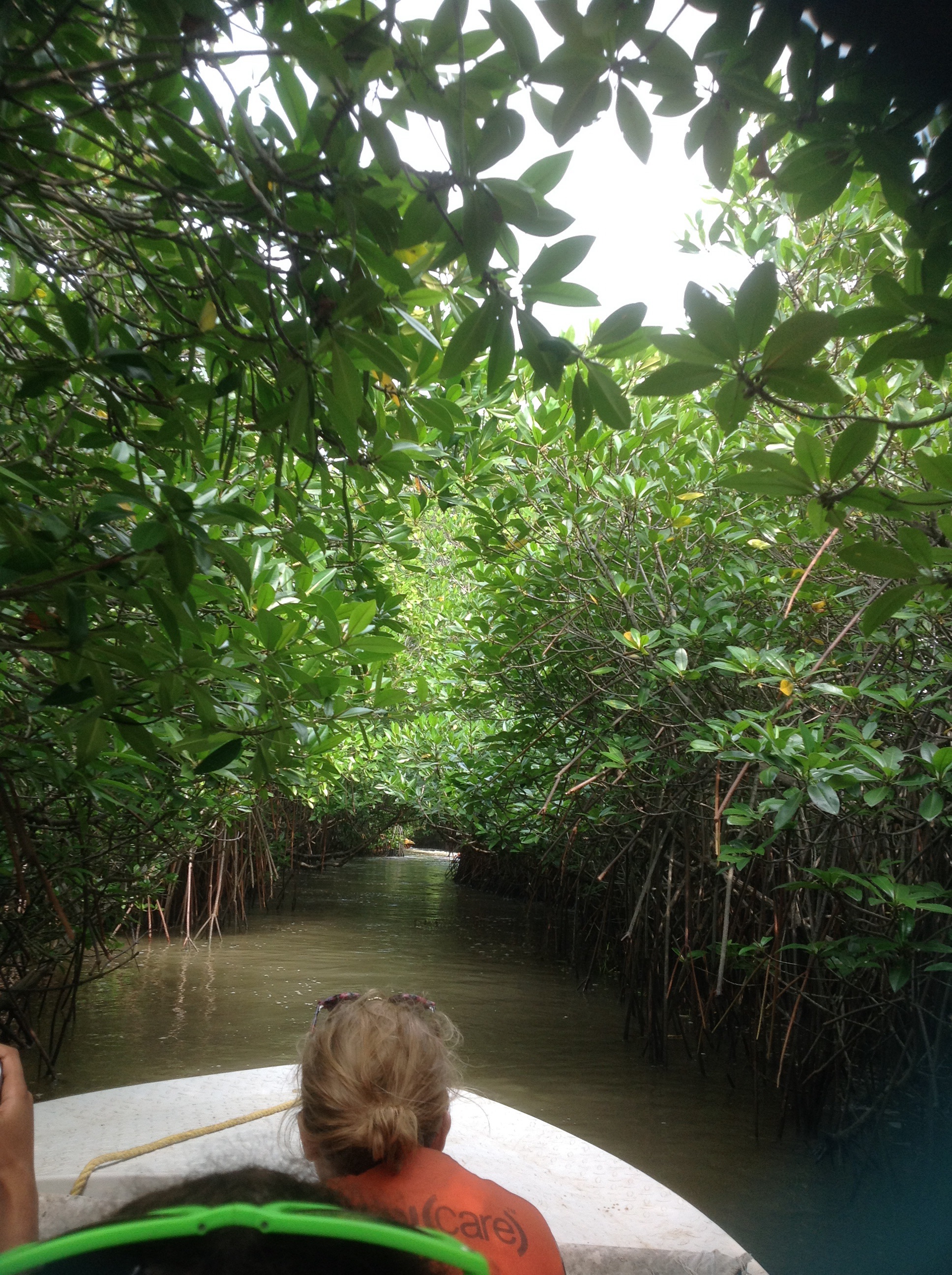
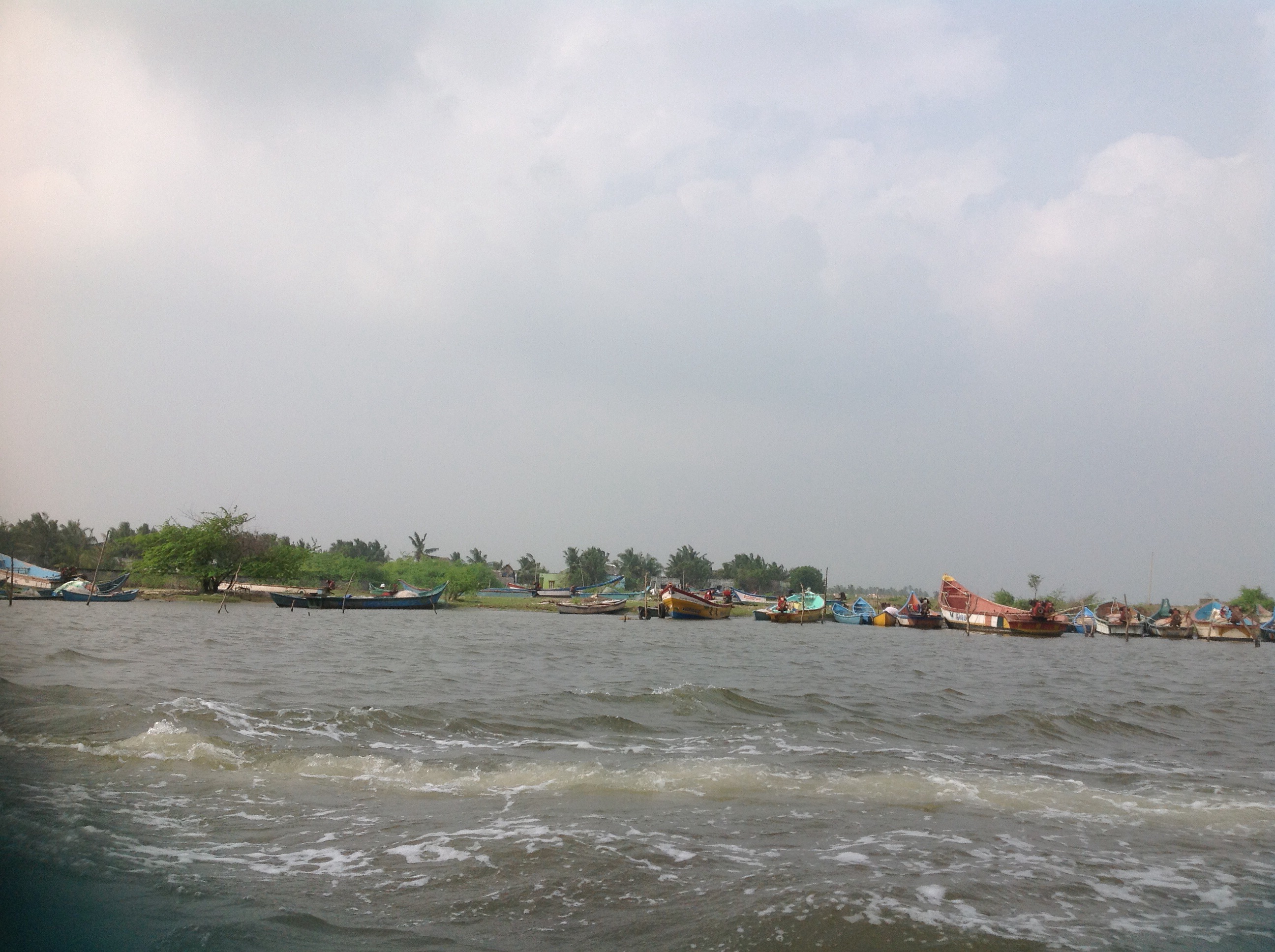
Pichavaram mangrove forest, the second largest in the world

Pichavaram mangrove forest, the second largest in the world

image

-Chrystal Vavoulidis