 Uma, a skilled fashion designer who worked in Delhi, came to Auroville to work on a project. This experience led her to create her own studio in Auroville focusing on textiles and fashion. In 1997 this studio would soon grow into the fashion brand Upasana. This company strives to create sustainable fashion, focusing on the environmental impacts and costs of clothing production.
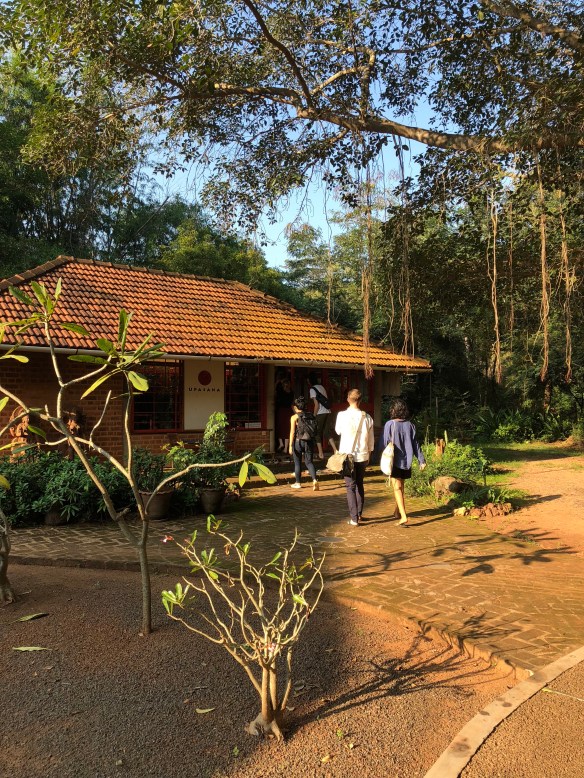
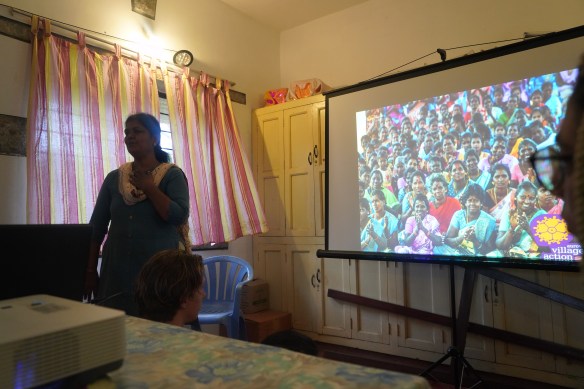
When we visited Upasana, Uma started by emphasizing the farmer suicide crisis and the problems that Indian farmers face against huge companies like Monsanto. They are faced with huge debts and forced to buy GMO seeds. Her use of organic cotton helps to support the farmers who grow it and prevent them from debt cycles encouraged by big companies selling seeds. Locally and environmentally conscious production of cotton is supported not only through her use of it in all her clothing lines but also by some of her social projects. Stretching out from the clothing industry, Uma has used her platform to address multiple social issues that she feels strongly about.
In 2011, Uma took her brand organic with a move to all organic fabrics. Her Kapas project works with Madurai families and supports their organic cotton production. Paruthi, which means cotton in Tamil, is another project Uma is involved with that supports organic farming. The project is focused on sustainable and ethical practices upheld by the Tamil Nadu cotton farmers. Specifically focused on taking care of the land in an ethical and sustainable fashion, to making sure that farming practices and farmers are respected.
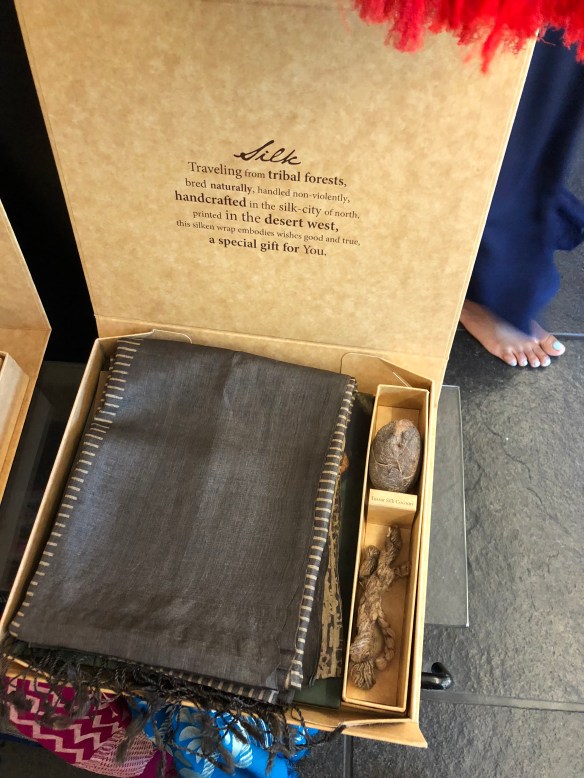
She also supports Varanasi weavers, making her own brand that supports their community that allows them to continue being able to produce stunning weaved fashion items. Her work with the Varanasi weavers is especially impactful because of her involvement deep in the community. She helps to design, support and offers marketing help to the weavers allowing their designs to spread all over the world.
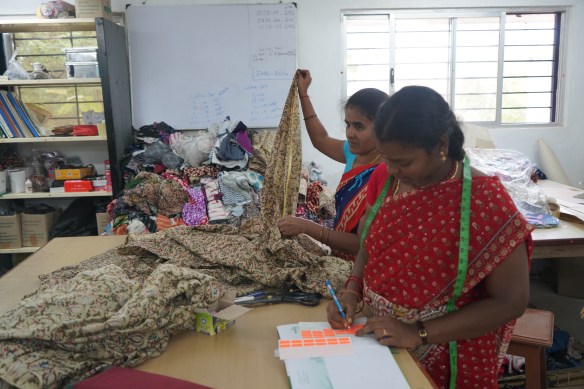
Besides helping support organic farmers, she is bringing the skills needed to create fashion items such as sewing and weaving to communities such as Tranquebar. By helping to train the locals in fashion, she is investing in the future of this Tamil Nadu town. She markets and invests, helping bring tourism and economy into their town, while also helping to revive and preserve their cultural garments.
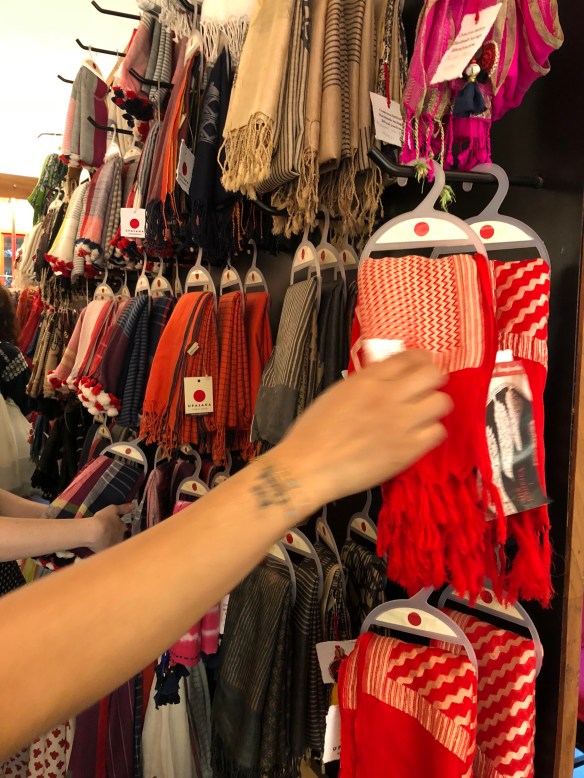
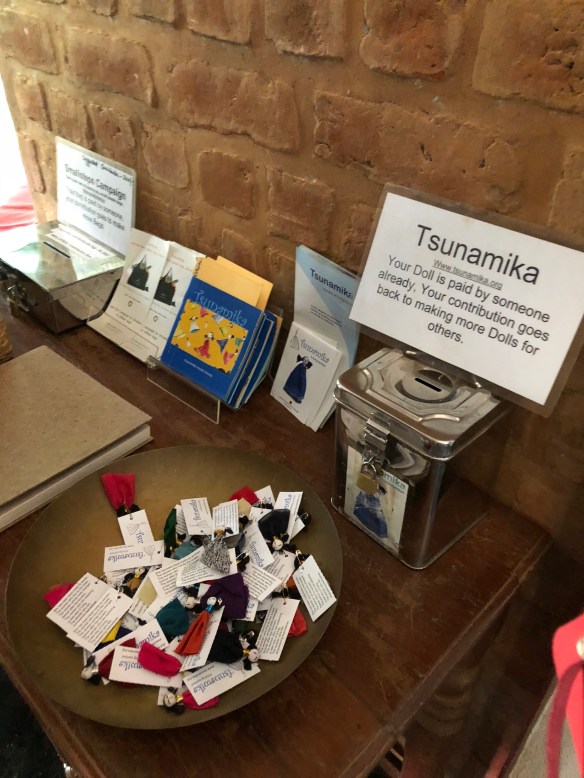
While we visited, we were able to see Upasana’s involvement in two special projects: Tsunamika and the Small Steps.
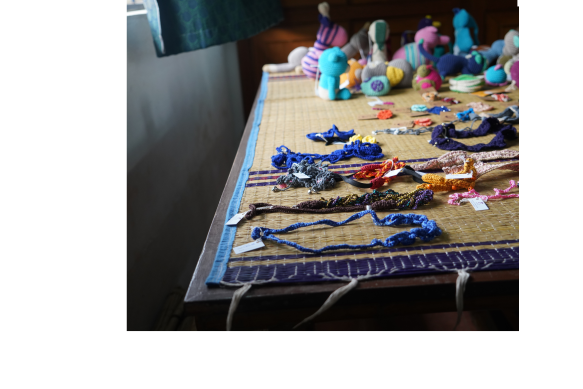
In 2005, a tsunami traumatized Indian fisherwomen, and Uma wanted to get involved to help the women recover. She found a creative outlet for the women so that they could cope with all of the stress and destruction that hit their village. Making little dolls out of waste and leftover fabric, Tsunamika dolls are traded in a “Gift Economy”. This interesting concept runs on donations, meaning no one ever buys the dolls. The millions of little dolls that have spread all over the world are a symbol of strength and love, further emphasized through their gift economy. It has turned into an income source for the village women, who are now being compensated for their work. Uma has used her creativity and background in fashion to support and uplift women, and now she is even helping to give them livelihoods. This idea is an incredible combination of creativity and empathy, and I was so interested in learning about how these little dolls have spread all over the world. We each received a small Tsuanmika at the end of her presentation, and I am so excited to gift it to someone when I return from India.
We also got to see the Small Steps project that was created by Upasana. Small Steps bags are reusable bags that help prevent the use of plastic and single-use bags. As most of Upasana’s projects are, they are more than just about sustainability. The bags are made by women in 14 villages helping to support local economies and women. The name Small Steps carries with it the idea that the even smallest steps towards sustainability will accumulate into greater change and a better future.
Through the names of some of her collections, we can see how important sustainability and ethics are to her. “Upcycling Artwear”, “Conscious Luxury”, and “Cool N’ Conscious” are all lines that are available at Upasana. It is a unique brand in the fact that makes sure that everything from the raw products and farmers, to the environment and lives of those making the clothes, are impacted in a positive and ethical way. Their focus is not only on selling their own items but on the social problems within India. Their projects help to preserve and support local communities and the lands that they live on.
She explains that her prices are a bit higher in order to encourage sustainable consumption and decrease the throwing away of clothes. Uma said that higher priced clothes make the consumer more hesitant in throwing away clothes and more conscious of what they are investing in.
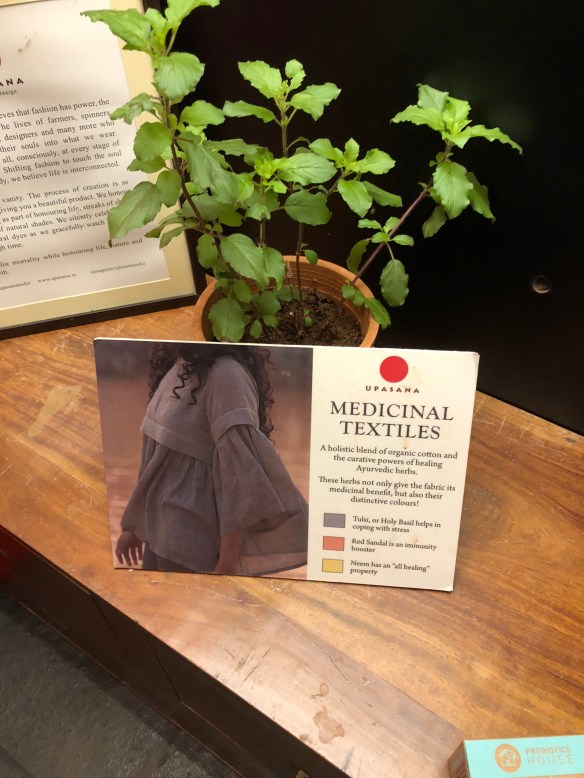
My personal favorite collection was the herbal collection. It mixes cultural herbs and Ayurvedic médecine with fashion. Not only are Umas designs a take on a modern Indian fashion, but she is also combining other aspects of culture into her collections. The healing textiles focus on dyes of 3 different healing herbs. A grey color comes from Tulsa, a light red from Sandal, and a pale yellow from Neem. They each carry medicinal properties and are natural dyes that are helping avoid environmental pollution.
 AUP Sustainable Development Practicum in Auroville, India