In a landscape of burning plastics

Pondu Landfill

Click to enlarge

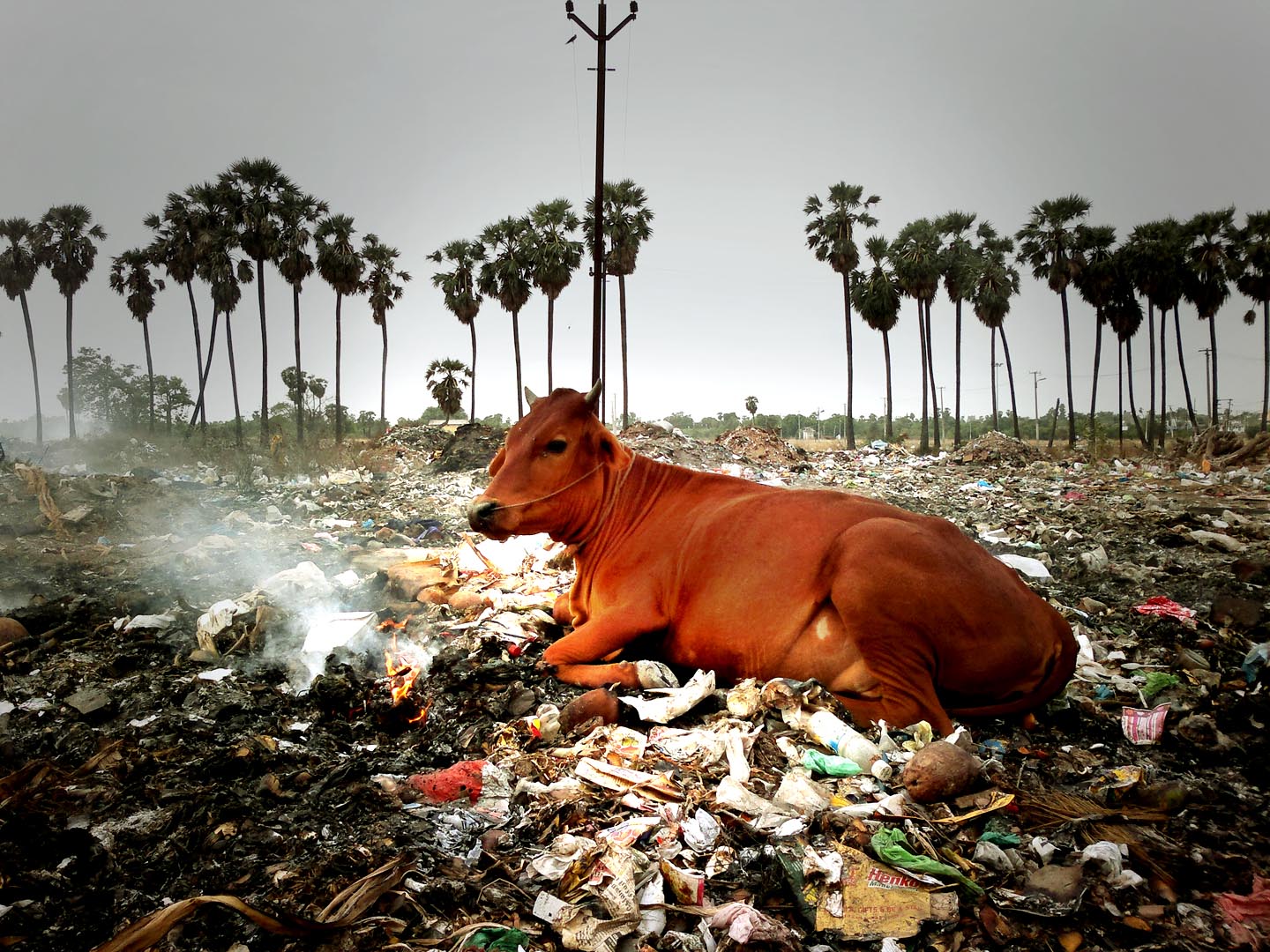
In India, almost all the waste goes to landfills, since people are really bad at recycling. In fact, half of what goes to the landfills in India is organic waste that should have been composted. A consequence of the lack of waste segregation is that PET-bottles, paper packaging and other items that should be recycled are contaminated by rotting food, making the items worthless.

In the midst of all the garbage, cows and dogs and a large flock of crows are feeding. Their presence make the scene feel surreal to me. I imagine cows should be on green meadows, not on dump sites? The surrealistic feeling is enhanced by a thick, toxic smoke coming from a number of small fires at one end of the dump. People in search of recyclable metals have set piles of electronic waste on fire in order to melt away plastic components and free the metal. Tomorrow they will come here to go over the ashes with magnets.

Pondi Landfill

Click to enlarge

Just next to a big cow, I see an old woman picking up some aluminum foil and putting it into a sack. We walk over to her. Turns our she’s 70 years old. She earns her livelihood from finding recyclable items like paper, plastic and metal on the dump and selling them to a local scrap dealer. In a day she earns about 100 rupies (approximately 1 Euro or 1.6 USD). Just one step away from where she stands is a big red plastic bag. The color indicates that it contains medical waste from a hospital, in other words syringes. We ask the woman if she’s afraid to injure herself. Oh no, she replies, pointing to her flip-flops, implying that they are sufficient protection for her feet. And then she shows us how she’s using a small metal stick when digging in the garbage.

I shudder at the sight of it. She’s not even wearing gloves. Personally I’m terrified of dirty needles and the risk of being infected with HIV or Hepatitis – or for that matter catching any disease from bacteria that might thrive on a landfill. I’m only centimeters away from accidentally stepping on a dead puppy. I tighten the scarf covering my nose and mouth, but I cannot shut out neither the stink nor the pain in my heart from all that I see. In my sturdy jogging shoes I head back to the rented bus that will take me home to my neat and tidy hostel room. But the Pondicherry Landfill stays on my mind. The old woman in the orange sari has no rented bus to take her home tonight.

A short film clip from the landfill


Post written by: Åsa Ljusenius, Linnaeus University

Have we broken through the fences?

Image

After a week and a half in Auroville some of the question marks have been ironed out, only to be replaced by more questions. Questions are always going to arise when travelling to new countries or places where one is being confronted with new people, places and cultures.

The What, Why & How? Are more often than not connected to the ‘others’. The ‘others’ being the people belonging to the place and culture in which we are the visitors. Less frequently are the What, Why & How directed at oneself. What should I do now? What is expected of me? Why do I react in this way?

It is so easy – almost too easy, to look at new experiences from a Eurocentric perspective – to use ones own culture as a measurement for what we consider to be right and normal, to think that there is a proper way to go about things and the way one is most familiar with is often considered to be the ‘only’ way to approach issues.

The questions attached to ‘the right and only way’ are important to keep in mind in the context of positive change and sustainability.

Too often, development, or the new term – positive change, has had a Eurocentric framework. Meaning that we in the global North believe that we sit on all the right answers and solutions. Not often enough are the people that will be affected by the change actually asked what they need, want, wish or are in need of.

Recently development workers have started to realise that local people know perfectly well what they need and how to achieve it – if they had the means to do so – all we need to do is engage in a dialogue!

The more I learn about environmental and social development, I realise that in order to make it sustainable, we need to make sure that the project, skills, ideas can be continued by the local people themselves. Also ideas and values need to be given the space and time to be developed by the people themselves on their own terms.

But. For a substantial sustainable change to be able to take place on both a local and a global scale, that will enable projects, local NGOs and entrepreneurs around the world to reach their goals and realise their vision, the inhabitants in the global North need to get better at engaging in dialogue. We are also the ones that should be prepared to answer some questions regarding our own outlook and values.

The global North needs to be willing to reassess our views of local cultures and change. We are the ones that need adopt positive change and maybe realise that development is not equal to the ability to upgrade to the latest model of iPhone.

So maybe we are the ones who have to be prepared to reflect on our lifestyle choices and answer the questions What, Why & How? in order to make positive change sustainable.

Angela Fjordmark, Linnaeus University, Sweden

Merry Menstruation!

To all of you out there (even males), this is something that concerns all of us. Menstruation is not only important for young women who just had their first period, but something they will experience for most of their lives. It concerns women, but also parents and relatives whom are responsible of informing young girls about menstruation and sanitation. One dimension that often is forgotten is the environment.

Statistics show that the average North American woman uses and throws away 16,800 disposable pads and tampons in her lifetime. Using disposable pads is bad for the environment in terms of being made out of plastic, meaning they are not biologically degradable. The life cycle is 500 – 800 years in nature. So how could women (note: half the Earth’s population) contribute to a better environment as well as lower our economic expenses? The answer is reusable cotton pads.

Image

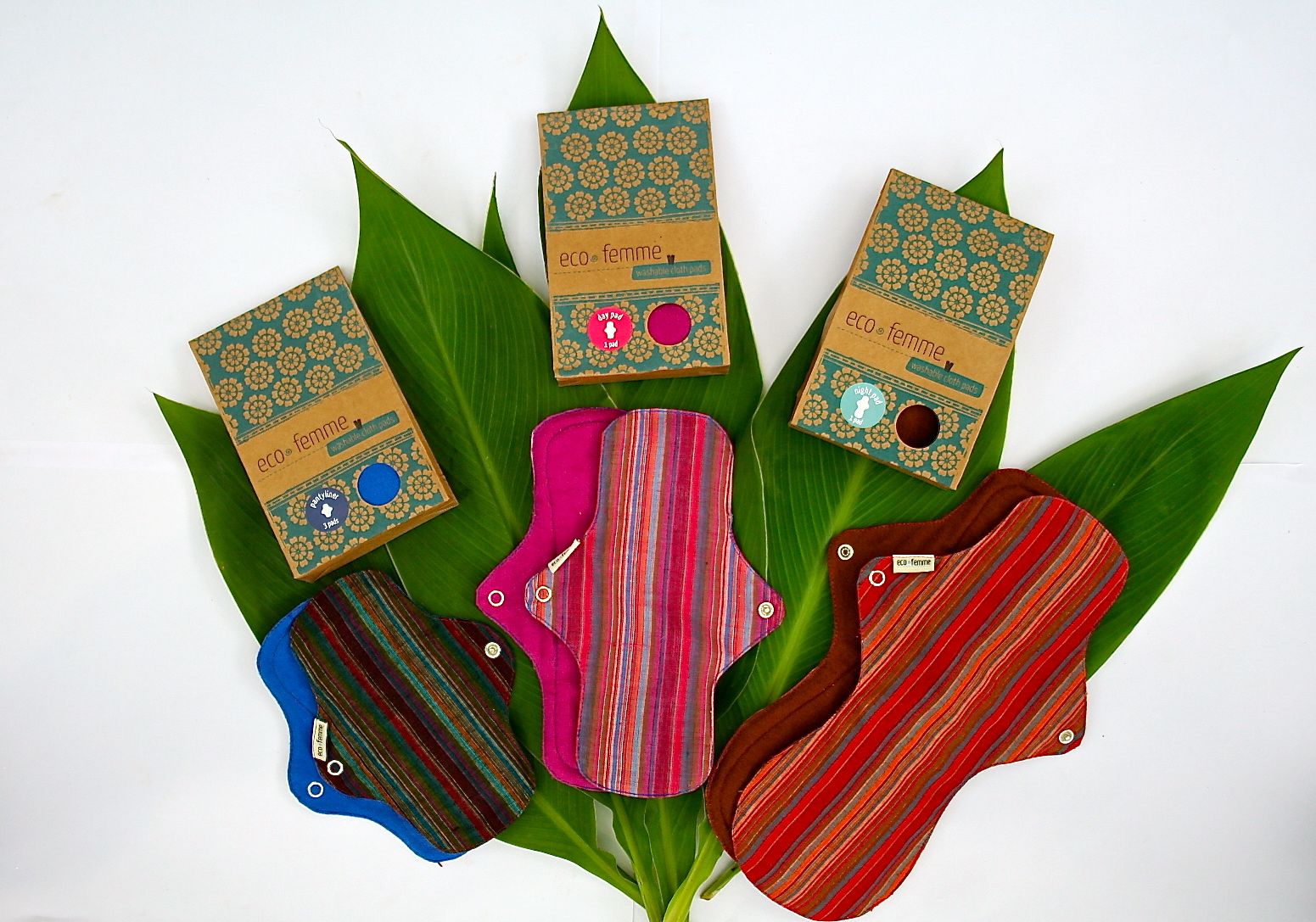
Eco Femme is one of the producers of disposable pads. The pads are made out of cotton with a leakproof protection as well as wings to keep it in place, thus providing the outmost protection for women. Not only are they environmentally and financially friendly, but also fashionable and well made. They come in different sizes and colors and can hence be adapted to different needs. One pad can be washed 75 times before it needs to be replaced. When used it needs only to be soaked in cold water for 30 minutes and can then be machine- or hand washed and sun-dried.  Eco Femme is a social enterprise working for grassroots community development. It started in Auroville, South India, in 2010. Besides the eco-friendly pads, Eco Femme also works with educating girls and women on managing their menstruation.

Image

Personally I believe these pads can make the menstruation into a more positive experience. Instead of stuffing your trash can with used pads, you can choose the EcoFemme pad that best matches your underwear. Make something more positive out of it, and most of all: celebrate being a woman. The wide selection of patterns and colors provides you with the opportunity of making it more personal by wearing colors that makes you happy. They are also splendid gifts for friends, sisters, mothers and daughters, benefitting both them and the environment.

So spread the word and exchange “the bad week” into an environmentally responsible and more positive experience.

/Louise Jönsson Andersson, Linnaeus University

Source: http://ecofemme.org/

Christmas Eve 24th of December 2013

To begin with this day was special for me because it was my birthday. So, to step outside the projects and the syllabus I was congratulated by all my Swedish colleagues fifteen minutes to seven in the morning. I was given a coffee and a cake to start the day with which was great. The price of having a birthday was to miss out on yoga – a loss well worth it.

First place to visit in the morning was Pour Tous. This is a cooperative where all the members pay fees to be able to purchase food from the store. The store has been open for seven years and so far it’s working well. Instead of having a big selection to choose from the concept is built upon a few products where ecology, collaboration and fair-trade are in focus. It was a special feeling walking around in the store where prices were hidden. Only the store management and the economy department know how much all the members were spending. This leads to higher awareness when buying commodities. There are three levels of membership (payments) depending on the needs and the size of the family, they are: small, medium and large. As the focus is on needs instead of spontaneous spending the long-term aim is reached.

The second visit for the day was at Yatra cultural center. The foundation was created in 2005 to promote aesthetic feelings and expressions among children. Many of the classes that the children take are in drama, music, singing, dancing, drawing, painting and theatre. Yatra focus on two main areas when engaging, the first is to sustain the cultural traditions that India, Auroville and the surrounding villages are built on. The second objective is to promote areas of expression that public and private schools ignore. According to Yatra cultural center the school system in India is rigid and not that flexible when it comes to aesthetic subjects.

Yatra cultural center also works with video production and edutainment. Some of the edutainment movies that they produce address solar-cells and recycling of trash. One ingredient that is important is humor; this is the method used to get the potential consumer attached to the issue. The movies shown were funny yet serious at the same time so entertainment and education were combined effectively. Yatra cultural center argues that there are several real cases where social change has been achieved.

The third place we visited was the Dental center. The manager Jacque showed us the clinique and introduced us to the project ADCERRA. This project aims to give 1 billion people in India better dental health-care. This project was started in Auroville and is unique in the sense that it focuses on easy and natural ways of filling and preventive dental care. The main concept is about reaching the rural areas where most people in need live. There’s one main center and ten sub-centers where nurses are taught how to apply dental care in the spirits of the project. The project prefers to train women as they are considered “mothers” in the Indian context. The image of the “mother” in India is respected and revered, thus enabling access to dental health-care.

The fourth project to visit was Naturellement. This organization empowers women through employment. Due to poverty in India many men suffer from alcoholism that affects the whole family. In many cases women are left alone sustaining the household. The organization thus works by promotion a happy and joyful working climate where women can ventilate their problems. So far the organization has succeeded in this area. There is a café-part where people can eat and have a Swedish cinnamon-role. They also produce marmalade, jam or syrup for the Indian market. Issues such as health care and education are commonly discussed. One objective is to make Indians aware of what they are eating and thus promote a healthier lifestyle.

The evening then turned out to be the best birthday ever. We all played a Christmas gift-game where we shared presents that we bought for each other. I ate some cake but also had it smeared in my forehead Hindu-style in the face!     

Carl Larsson, Linnaeus University, Sweden


Investigating the Impact of Microfinance and Social Enterprises in Auroville

As a student whose primary interests lie in economic and social policy in the developing world, it isn’t too surprising that microfinance has captured my interest, just as it captured the interest of the development community worldwide. Yet, an increasing body of research finds little evidence that microfinance actually helps to lift its recipients out of poverty. Aneel Karnani’s article “Microfinance Misses Its Mark” provides a helpful example to help explain where scholars see microfinance falling short:

“Consider these two alternative scenarios: (1) A microfinancier lends $200 to each of 500 women so that each can buy a sewing machine and set up her own sewing microenterprise, or (2) a traditional financier lends $100,000 to one savvy entrepreneur and helps her set up a garment manufacturing business that employs 500 people. In the first case, the women must make enough money to pay off their usually high-interest loans while competing with each other in exactly the same market niche. Meanwhile the garment manufacturing business can exploit economies of scale and use modern manufacturing processes and organizational techniques to enrich not only its owners, but also its workers.”

Thus, this type of critique leads scholars to see microfinance as a tool that elevates the standard of living of those in poverty, without necessarily drawing them out of poverty, by giving them access to credit that they would not be able to obtain otherwise, due to their lack of collateral and the small loan amounts. Yet, the very small scale of these micro-funded activities is not conducive to actual poverty alleviation; instead, creation of stable jobs is necessary.

Therefore, I was particularly interested in seeing microfinance in action in Auroville, and have been presented with multiple opportunities to do so over the past 10 days. In our visits to different microfinance and social enterprise organizations in and around Auroville, I was fascinated to see this critique being embraced in innovative ways.

WellPaper doesn’t simply form groups of women to receive loans, it provides a structured training in the making of high quality products from recycled materials. Instead of sending the women out to create their own individual crafting enterprises, WellPaper acts as a collective buyer for the women, who can work individually or in teams to fill the orders that WellPaper receives. This provides reasonably steady employment for the women, though there are busy and slow order periods, and allows WellPaper to sell and market its products all over India and abroad.

The Auroville Village Action Group (AVAG) has touched the lives of over 4000 women through microloans and women’s groups and, while continuing to expand their microcredit programs, is investing more and more efforts in opening business lines that provide stable jobs that build on the skills that their loan recipients have acquired. They now have lines selling environmentally friendly feminine protection, clothing and jewelry all over India. Thus enterprise development is building upon initial microfinance and education efforts.

Naturellement goes even farther than providing stable jobs; indeed, its founder argues that this is not enough, and that educating her employees on personal finance and providing a community in which the women can discuss issues such as domestic violence is also necessary.

The People’s Social Development Foundation (PSDF) does focus on self-employment micro-enterprises, and the effects of this do indeed seem to tend more towards “softening the blow” of poverty rather than alleviating it. However, this is not to say that this is not useful. PSDF’s microfinance efforts have made great gains in freeing families from crippling debt to local moneylenders and empowering women in non-economic ways, through providing counseling and social forums to discuss domestic violence and women’s political and communal leadership.

PSDF conducts awareness programs and group counseling in the 47 villages that it works in, as well as providing microloans.

PSDF conducts awareness programs and group counseling in the 47 villages that it works in, as well as providing microloans.

Thus, while it is important to take critiques of microfinance into account, criticizing microfinance’s ability to alleviate poverty does not mean that microfinance is a completely ineffective tool. Opening large enterprises that provide stable jobs is not always feasible in the short-term, especially in rural areas that are not attractive to investors due to a lack of skilled workers.
Indeed, both AVAG and PSDF note that, while the microfinance approach may not pull its recipients out of poverty, when coupled with education initiatives, it provides a basis for further quality of life improvement in future generations and a stronger foundation for present and future skills acquisition, thus creating a more attractive environment for larger, traditional investors in the future. These organizations see less children being taken out of school to work and less interest and trust in financing from moneylenders.

Auroville has thus demonstrated to me how both microfinance and enterprise building can be used as a package to empower and alleviate the poverty of developing communities. There is rarely a true “silver bullet” in development; rather, development practitioners need to draw from a toolkit of multiple tools, depending on the specific situation at hand. While the Auroville context, from my observations, provides further evidence that microfinance is not necessarily the best tool for rapid poverty alleviation, and the power of enterprise building and job creation to do so instead, it also demonstrates the power of microfinance coupled with social and economic education to lay a foundation for skills acquisition and women’s non-economic empowerment, which may ultimately create a more conducive environment for larger scale job creation in the future.

Stay tuned as I begin my work with the People’s Social Development Foundation for these next two weeks and explore this topic and the power and shortfalls of microfinance in more detail!

– Anna Wiersma, American University of Paris – MPPA (Master of Public Policy and International Affairs)

Sources for further information on the “Microfinance Critique”:

Banerjee, A. V., & Duflo, E. (2006, October). The Economic Lives of the Poor. .

Karnani, A. (2007, Summer). Microfinance Misses Its Mark. Standord Social Innovation Review. Retrieved December 29, 2013, from http://www.ssireview.org/articles/entry/microfinance_misses_its_mark/

Panagariya, A. (2010, December 17). Does Microfinance Reduce Poverty? An Analysis of India’s Crisis. Brookings. Retrieved from http://www.brookings.edu/research/opinions/2010/12/17-india-panagariya#
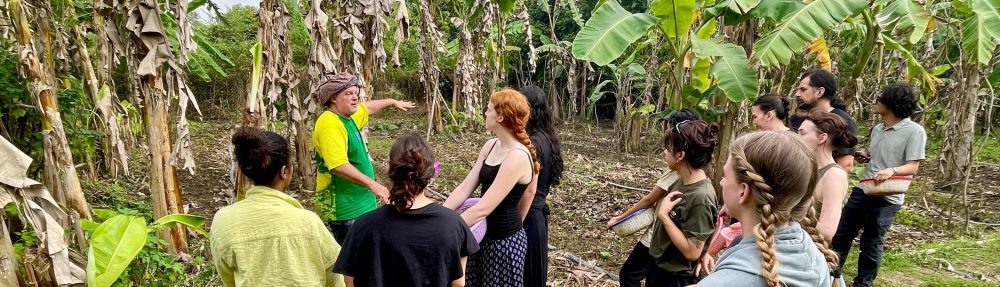
A spontaneous trip to Meera Youth Camp; discovering beach conservation near Auroville

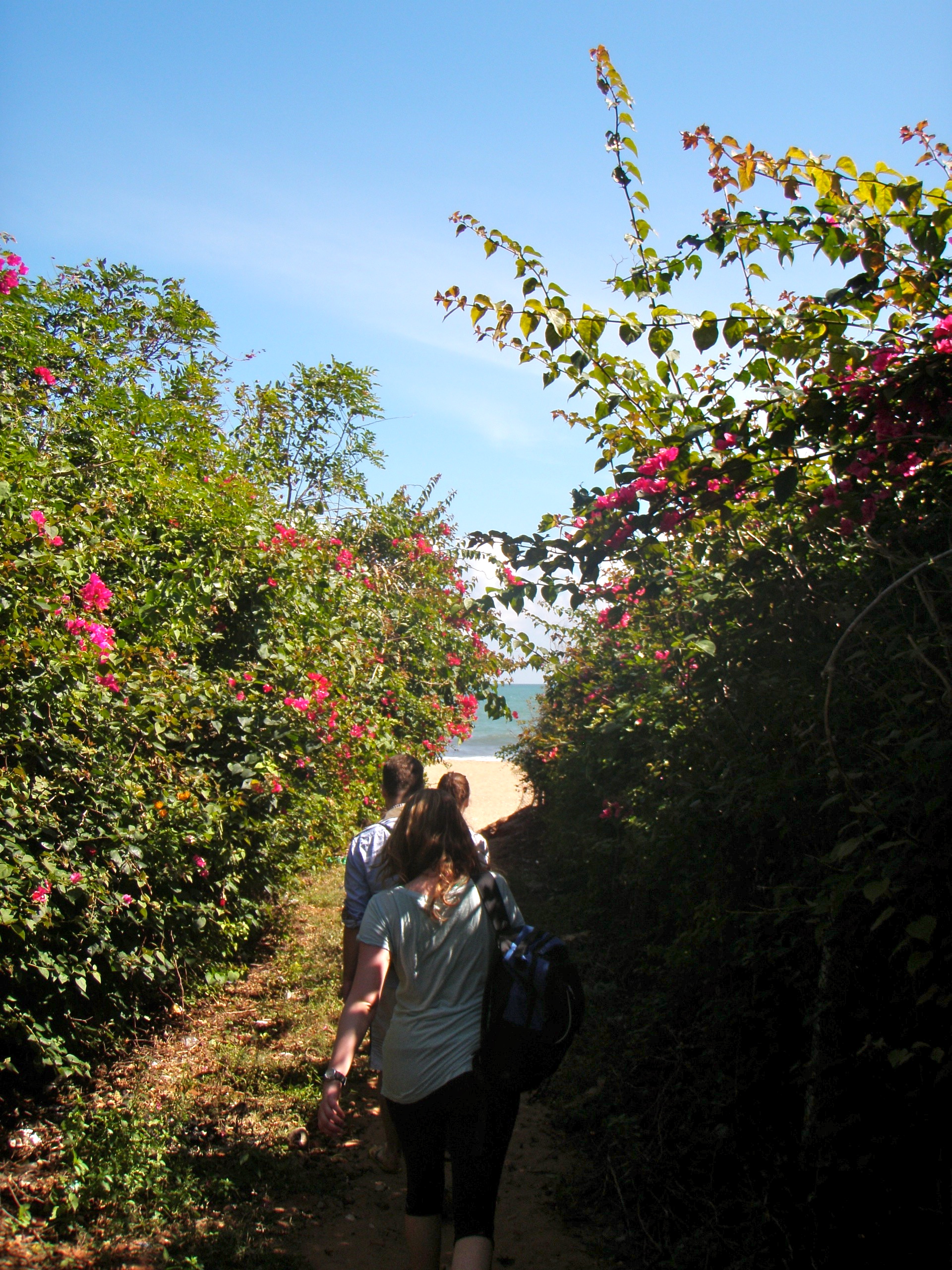
Yet another amazing day in Auroville. After a serene morning run through the red dirt and thick green forest, us AUP students met at La Terrace to check in and enjoy a delicious breakfast. We had the rest of the day free and decided to make the most of it. One of the students had met a beach conservationist named Mikael last week, so we decided to go back to try and find his organization to learn more about their cause.

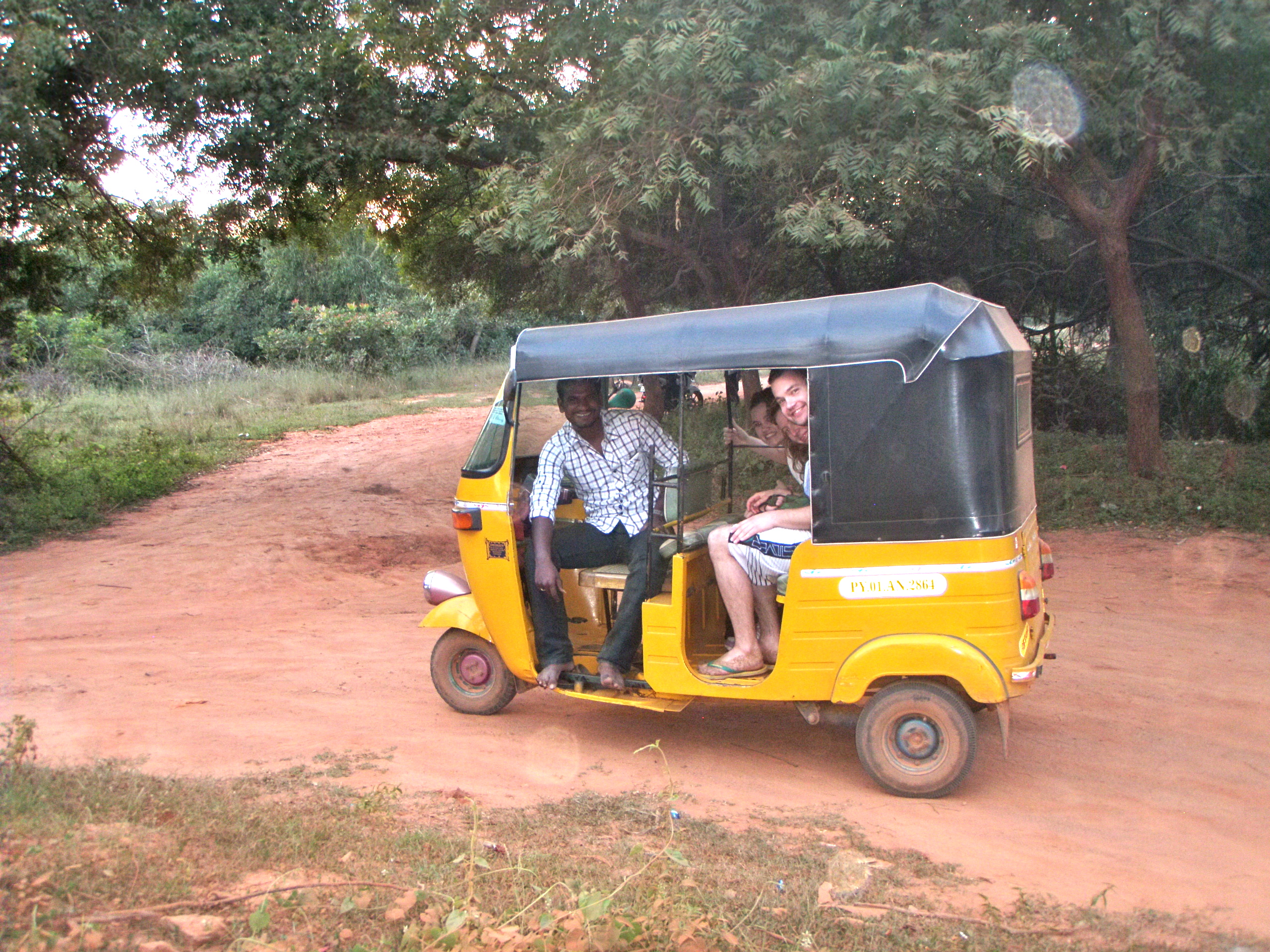
We jumped in some tuk-tuks and after a bumpy and somewhat chaotic ride through speeding traffic and small side streets, we made it to the beach.

 Image

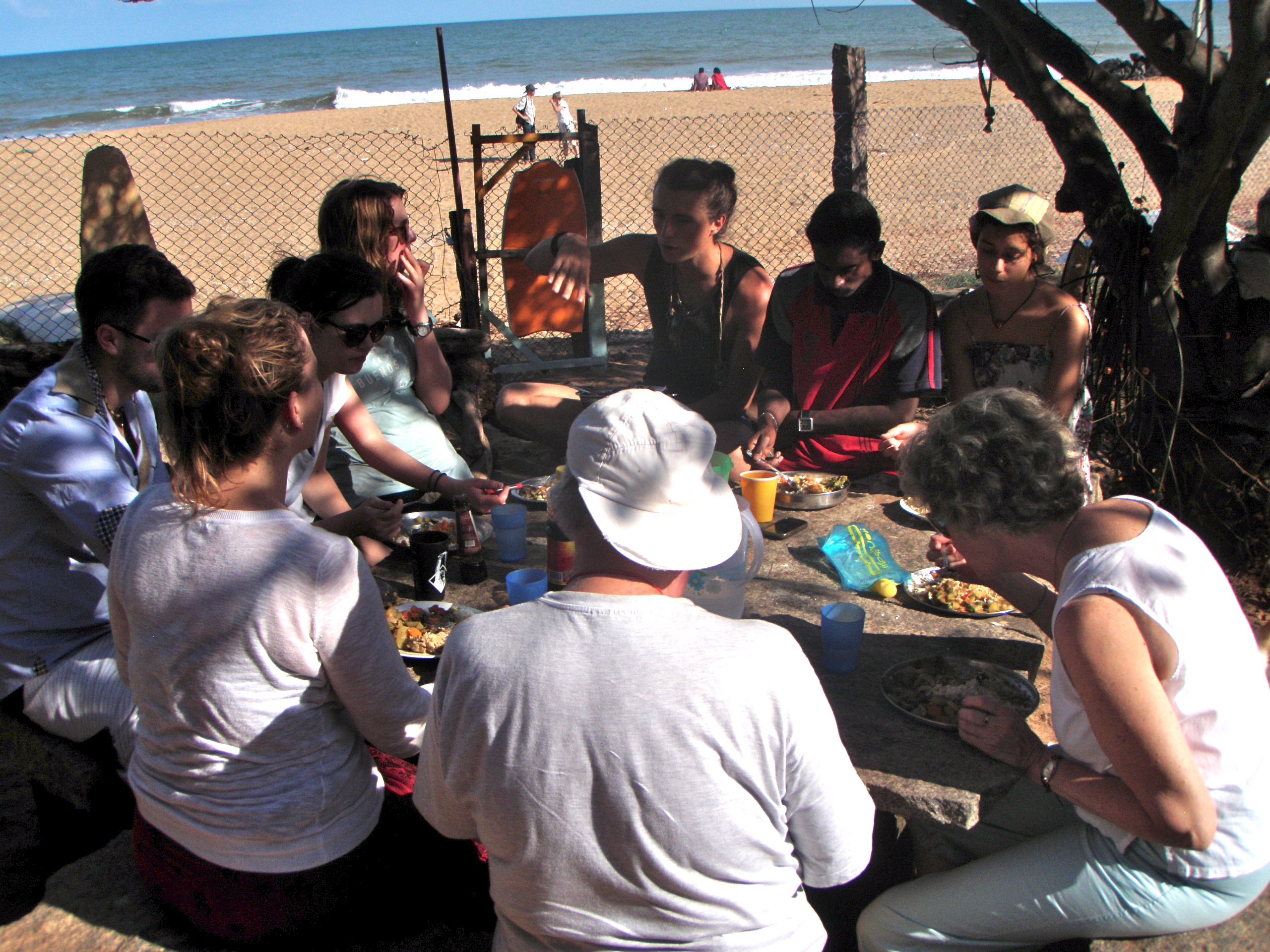
We walked along the sand until we found Meera Youth Camp, the beach conservation organization that Mikael leads. He and an international group of volunteers work on preserving beach erosion, which has been a huge problem since a cyclone hit in 2011. Although we stopped in just to say hello, Mikael warmly invited us to stay for lunch, as they were just about to get fresh vegetables from the market anyway. We accepted his kind invitation and once the vegetables had arrived, we all began the cooking process together. It was quite a site with all 13 people in one open-air kitchen, each lending a hand. There was a real sense of community, one of Auroville’s key principles, as we all worked together to create the delicious meal. Image

Image

Once the meal was prepared, we all sat around a stone table and listened to Mikael’s story. Originally a prestigious tax lawyer in Paris, Mikael realized that his heart was not in this line of work so he decided to travel for a year, Auroville being on his route. After spending 10 days here, he decided that Auroville was where he needed to be. He gave up his job and material possessions and began to work on his current project to protect the beaches along the east coast from further erosion. Although he still goes back to Paris from time to time to work on his PHD in volunteerism, the Meera Youth Camp has become his ultimate passion.

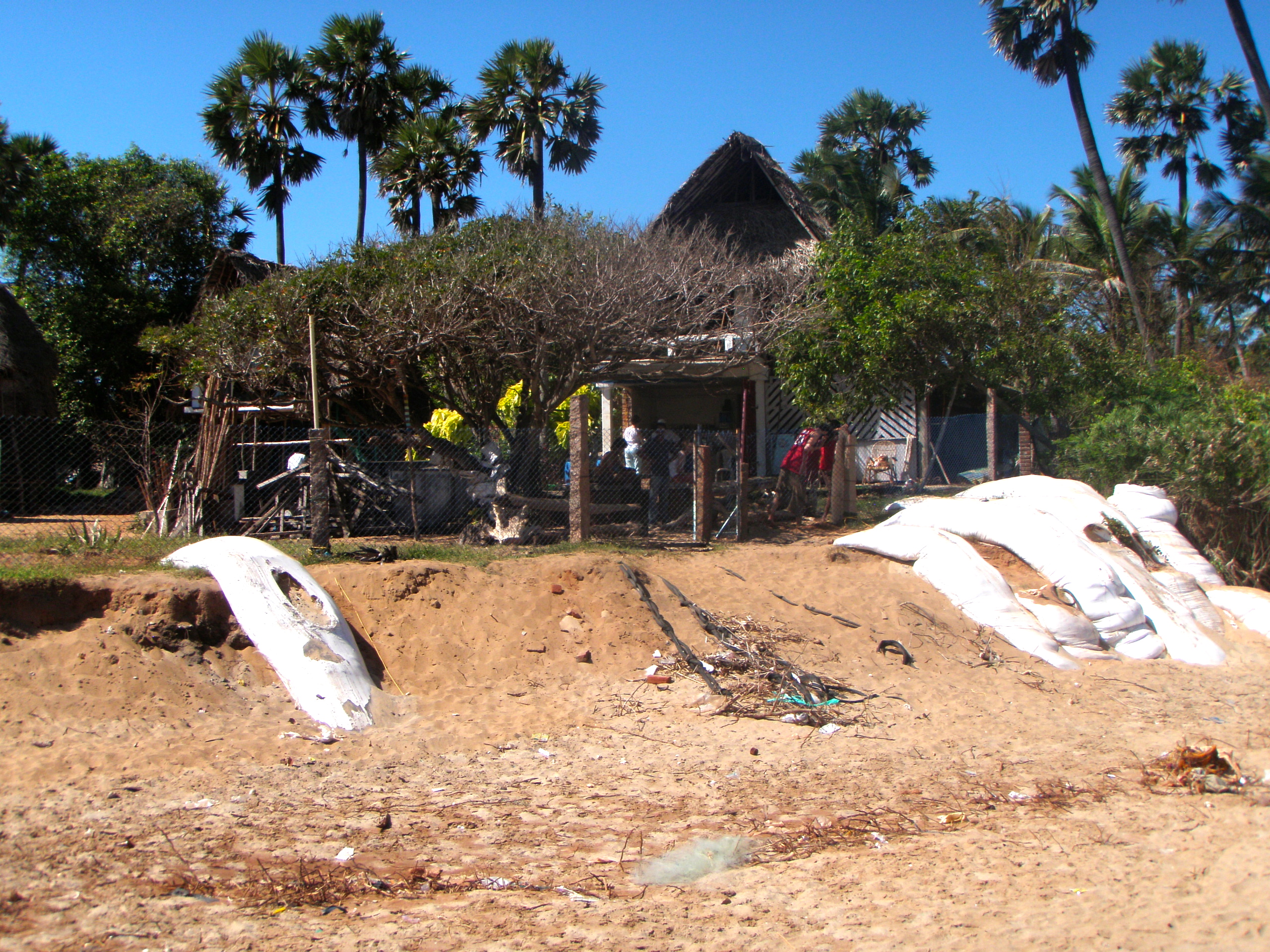
Although the cyclone had displaced large amounts of sand, it usually comes back naturally with the tide within just a couple of years. The problem in this particular area is that the sand has not been able to come back because it is blocked by a nearby port that extends unnecessarily far into the ocean.  One of Mikael’s main goals is to shut down this port, that is apparently being used less and less, to facilitate the sand coming back. He claimed that if no changes are made by August 2014, the Meera Youth Camp will be in the water. For now they have sandbags out, ready to be used if needed.

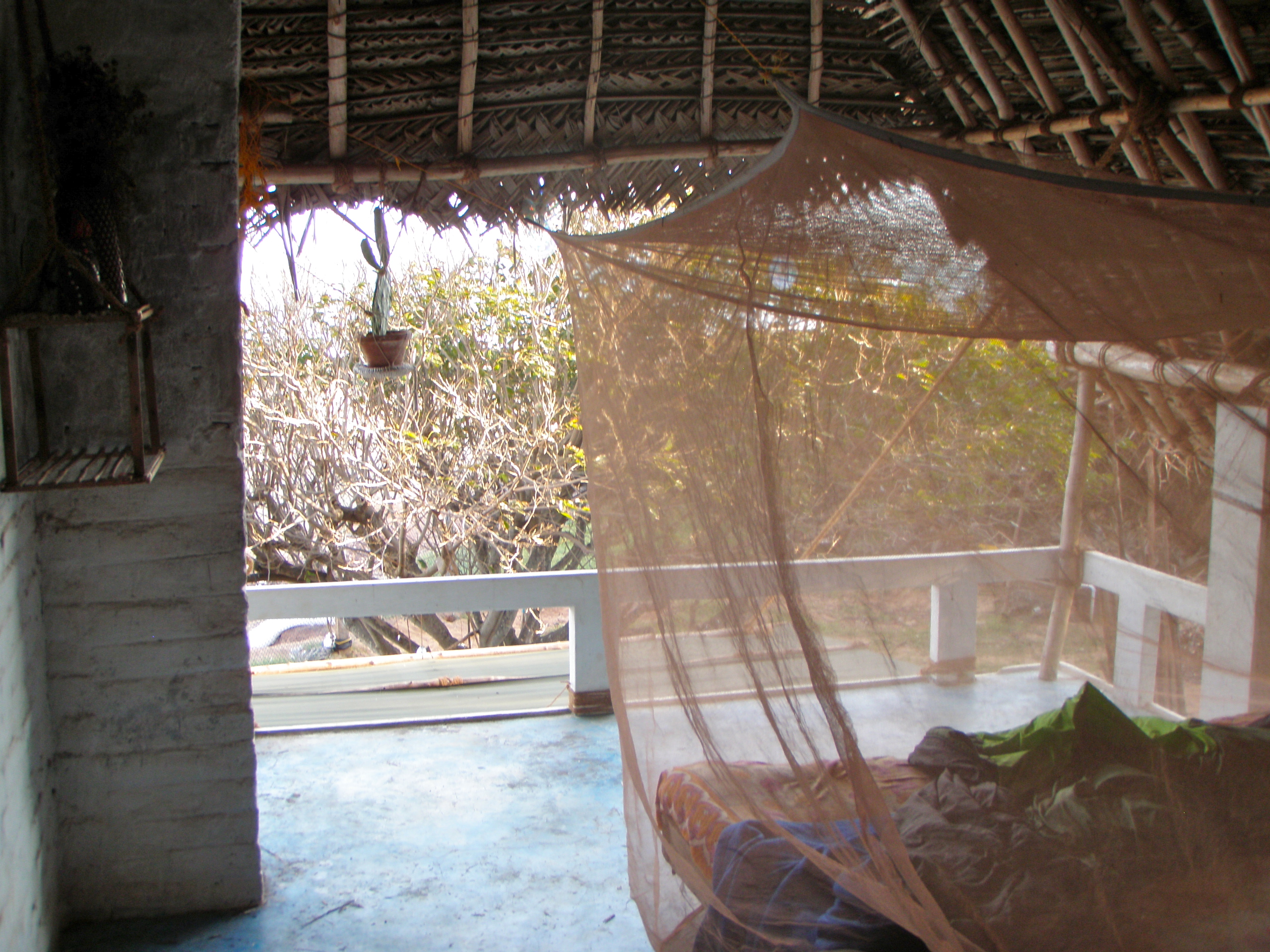
 ImageDespite the risk of its disappearance, Meera continues to work towards its visions and goals focusing on sustainability. Although the youth camp is slightly outside of Auroville, Mikael’s vision for the facility has a similar concept, as he wants to make it entirely self-sustaining and autonomous. They are on their way as they already run on minimal electricity and have a small garden where they grow vegetables. Mikael hopes to purchase the neighboring plot of land to expand his garden and rely less on the village markets. He has a very minimalist outlook on life and believes that people consume far more than they actually need. He believes that what is important in life is love, hard work, and passion – everything else will follow. We spent the entire afternoon listening to him and discussing his visions, along with those of his inspiring volunteers. At the end, he gave us a tour of some of their tree houses that they live in on the beach, all built by the volunteers and Mikael together.

ImageIt was very inspiring to hear from Mikael and his eco-conscious group, as they are very determined to fight for their project to stop beach erosion in anyway they can, even if just by spreading the information. His ideas about consumption and how people too often take more than they need is relevant on a global level and is the source of many problems today including those surrounding waste, pollution and water consumption. I wish Mikael and his team the best of luck in his beach erosion project and in becoming a self-sustaining organization as he hopes for.


– Lara Heskestad, The American University of Paris

The Matrimandir

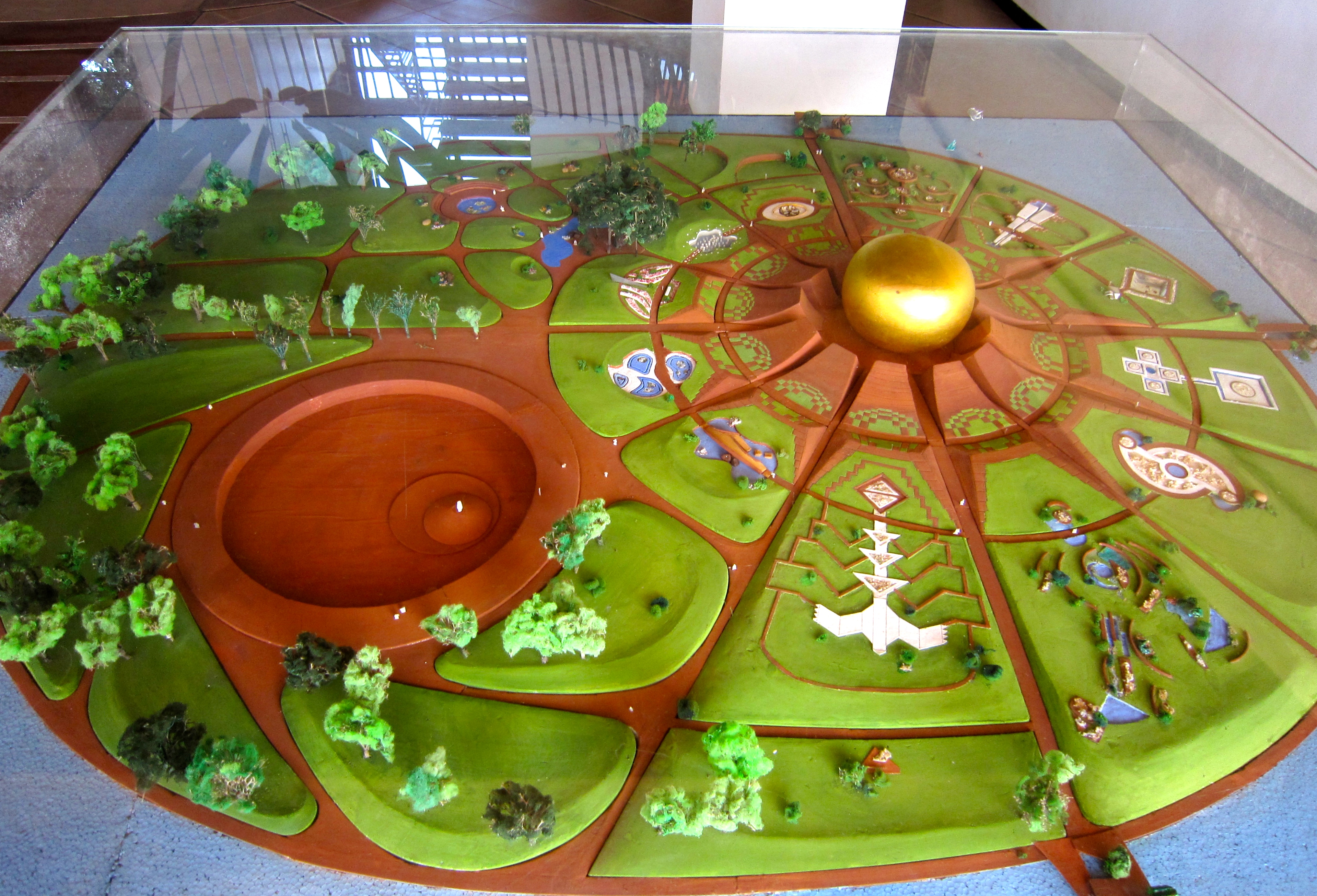
As I was preparing to come to Auroville, one of the things I was mostly looking forward to see was the Matrimandir – the impressive golden flattened sphere that extends out into twelve petals surrounded by an idyllic garden. It is often misinterpreted as a temple or some kind of religious building and since it is located at the centre of Auroville one can think that the town is built around a religious creed and that Aurovilians belong to an exclusivist sect. This is not correct and my aim here is to briefly explain what the Matrimandir is and what my perception of it is after my visit.

The Matrimandir seen from Town Hall

The Matrimandir seen from Town Hall

The Matrimandir is a place to develop a “union with the divine manifesting in a progressive human unity.” It is considered the soul of Auroville since it is located at its centre. Yet, the Matrimandir is not a temple – and more specifically it is not a temple for the Mother of the Sri Aurobindo Ashram who launched the project of Auroville in 1965. It is a place dedicated to the Universal Mother, Mother Nature – or whatever you may like to call Her. This is a concept that is well known in Hindu culture, but for Westerners (and I include myself in this category) the meaning of this building is often difficult to understand. The Matrimandir wants to be the symbol of the Universal Mother and the place where “people will not come for a regular meditation or anything of that kind; it will be a place for concentration, for trying to find one’s consciousness.” This understanding of the Matrimandir is in line with the idea that Auroville is a site of spiritual research to strive towards the living embodiment of an actual Human Unity. The Matrimandir’s construction started in the earliest years of Auroville – it required the first Aurovilians to come together and work together as a unified community.

Visiting the Matrimandir is no easily done thing. One really needs to want to visit it as there is a specific process one must follow that is quite lengthy. Now one may somewhat hastily and superficially observe that this is a sort of “ritual” or initiation which are concepts that belong to any religion. Yet, I think that all the steps are there simply to ensure that the visitor puts effort into his or her visit and actually thinks about finding his or her consciousness. I am not saying that entering the Matrimandir equals having a revelation about one’s self, but the whole experience is entrenched with powerful symbolism.

Model of the Matrimandir and surrounding garden

Model of the Matrimandir and surrounding garden

First, one sees the Matrimandir from a distance at a specific viewing point. Then, usually the following day, one is allowed to enter the Inner Chamber after viewing a short documentary and receiving additional instructions by a guide. In the Matrimandir, there are no windows and there is always a sort of clear half-light. One descends down before entering the Matrimandir and one comes up once inside it to reach the Inner Chamber. Everything is a symbol, but it is up to the individual to perceive those symbols. There are neither ornaments, nor music, nor incenses. People can sit anywhere but they must remain silent and as still as possible. Once you exit the Matrimandir, you can wander in the garden dominated by a large banyan tree, the geographic centre of Auroville.

My experience leads me to conclude that the Matrimandir wants to stimulate or facilitate inner progress of anyone wanting to enter it. Overall, I see the Matrimandir as a symbol of bringing order within oneself to establish order around oneself. As such, entering the Matrimandir is a very subjective experience and I cannot do much more but suggest you to visit it and see what it means for you!

Mia Marzotto, American University of Paris

Vanakam!

Welcome to the official AUP blog of the 2013/14 Sustainable Development Practicum. This blog will also be featuring posts by students of Linneaus University, Sweden.

We are twenty international students sharing one community space and, from mid-December to mid-January, we will be exploring Auroville, India to gain insight into sustainable practices.

The issues that we will be exploring include: environmental sustainable development, women’s empowerment, micro-credit financing, sustainable enterprises, socially responsible businesses and cultural heritage preservation.

During the first two weeks in Auroville, we will meet intensively with an array of NGOs, sustainable businesses and community action groups. For the last two weeks, we will each be working with one of these organizations to develop a project that advances and enhances their communications in some way, whether that be linked to fundraising, public relations, grant-writing or many other areas.

In our free time, you can find us biking around Auroville, exploring the grand market at Pondicherry. attending many cultural events and soaking in the experience of getting to spend a month in this unique place.

Thanks for reading and we hope this blog will provide a helpful and interesting glimpse into our experience.

Talking about the weather

DSC_0393


January 3td, Auroville, India


Yesterday I was standing in the kitchen at International house talking to Tashimi, one of the women working here. We talked about the weather; I guess some subjects are topical in all languages.

In the local language Tamil sun is called sury, when speaking about mare Tashimi meant the rain. But when I asked her how you say snow in Tamil, she looked confused, did not know what I was talking about. Understandable though Auroville has 300 days of sun, and the temperature never go below 24 degrees °C. A word for snow is not particularly needed here.

In an intercultural communication perspective it is interesting to see the how the local language and how the people living here are adapted to the life in south India. The words spoken exist for a reason, they explain and communicate the place where they were found and the place where they are spoken.

Also practical things are adapted to and even built for this place. As for example how the light switch is installed on the outside of the door, instead of on the inside, as it is in Sweden. This because then you are able to see if there are any snakes inside before you put down your foot down on the toilet floor or stretch your arm after the light switch.

There is even a non-vegetarian section in most of the restaurant menus’, because here it is an exception to order meet and not vice versa, as many of us from the western world are used to.

People in Auroville are really skilled at make use of what they got. For example by upcycling already use material to beautiful and useful things and using solar energy. Because of the unreliable grid in Tamil Nadu, there are more advantages using solar energy than just for the environmental sake. To let solar energy stand for the majority of your power supply, you get a more reliable supply of electricity to your house without reappearing unexpected power cuts.

Through my experiences in Auroville I have also seen examples of how it can be when it is the other way around. What can happen when we are not paying attention to the environmentally conditions. The cyclone last year opened the eyes of people working with the Auroville forest. It reminded the people at for example the forest Putchandiculum they planted the wrong things, the trees were not suited to grow here. One the workers at the forest said a beautiful thing, that can summarize this post; “The trees suited, help you live in that area”.


Anna Kjellerstedt, Linnaues University, Sweden

The story of B

B

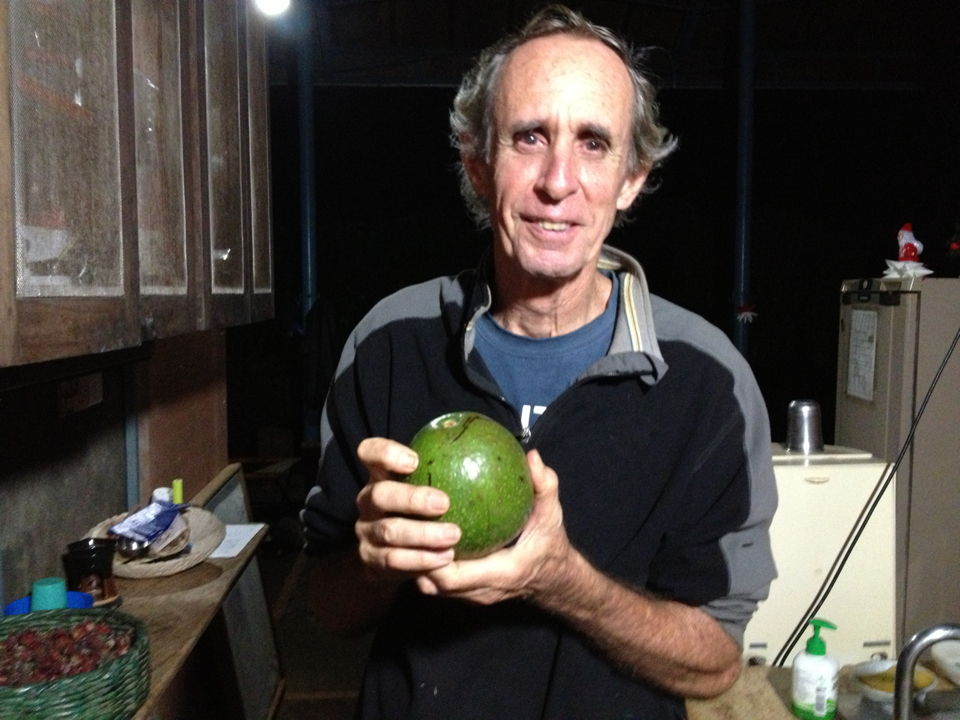
It was back in 1972. I was teaching a course in eastern religious disciplines at a small School in California. One day in class. a question came up about Sri Aurobindo. At that time, I didn´t know anything about him or his work. I got curious, and asked a friend if he was familiar with the subject. He said; you do not know? He is the man who did it all, you better educate yourself fast. And I did.

I started by reading a book by Robert McDermott, a summary of the work of Sri Aurobindo, published in connection with his 100 anniversaries.

(Sri is a more formal title of a spiritual leader. Sri Aurobindo, was originally from India, taken to England for education. When he came back he started taking active interest in the politics of India’s freedom struggle from British rule. He wrote all these texts, influencing the freedom movement. 

Later, spiritual experiences guided him to a life dedicated to spirituality and yoga. He withdrew from the politics and moved to Pondicherry, Tamil nadu, where he evolved a new method to spiritual practice, he it named the Integral yoga. 

You know, Yoga means connection. It is about life, all life is Yogi. Life is a continuing phenomenon, beyond words. With words, you are stuck in one language, stuck in your mind; you need to go behind the mind to understand life, the magic of life. Sri Aurobindo meant the world needs a balancing force.)

It was in this period I first heard about Auroville. I went to the culture center in Los Angeles, were I met a women who told me about the mother and about Auroville and, how the mother influenced by the ideas of Sri Aurobindo planned creating a place which would serve as a beginning of this balanced force. She said they are going to do it. I was totally impressed; I felt I had to found out more, I had to go there.

I was a filmmaker at that time and I decided to do a film about Auroville.  I contacted a new age film company in the states, who at first were interested of my idea. But in the last minute they changed their mind, asking me to go to Bali instead and screen a film there. I knew if I had gone to Bali, life had come in the way, and I had probably never gone to Auroville. So I went to Auroville anyway.

It is a sad story actually, I came to Auroville and it was nothing there. Just bare land, no water, no trees, nothing. The people where walking down to the sea, collecting water and carried it back up on their heads. There was no place to hide from the sun. The only thing we could do was to plant trees.

I´ve lived here since. I am 72 years old, I enjoy it, if I had not lived all these years, I would not be able to do what I do now. I like the feeling of walking around in Auroville and see all these things I have been a part of creating, trees I planted and houses I built.

Written by Anna Kjellerstedt, Linnaeus University, Sweden