By Kendall West
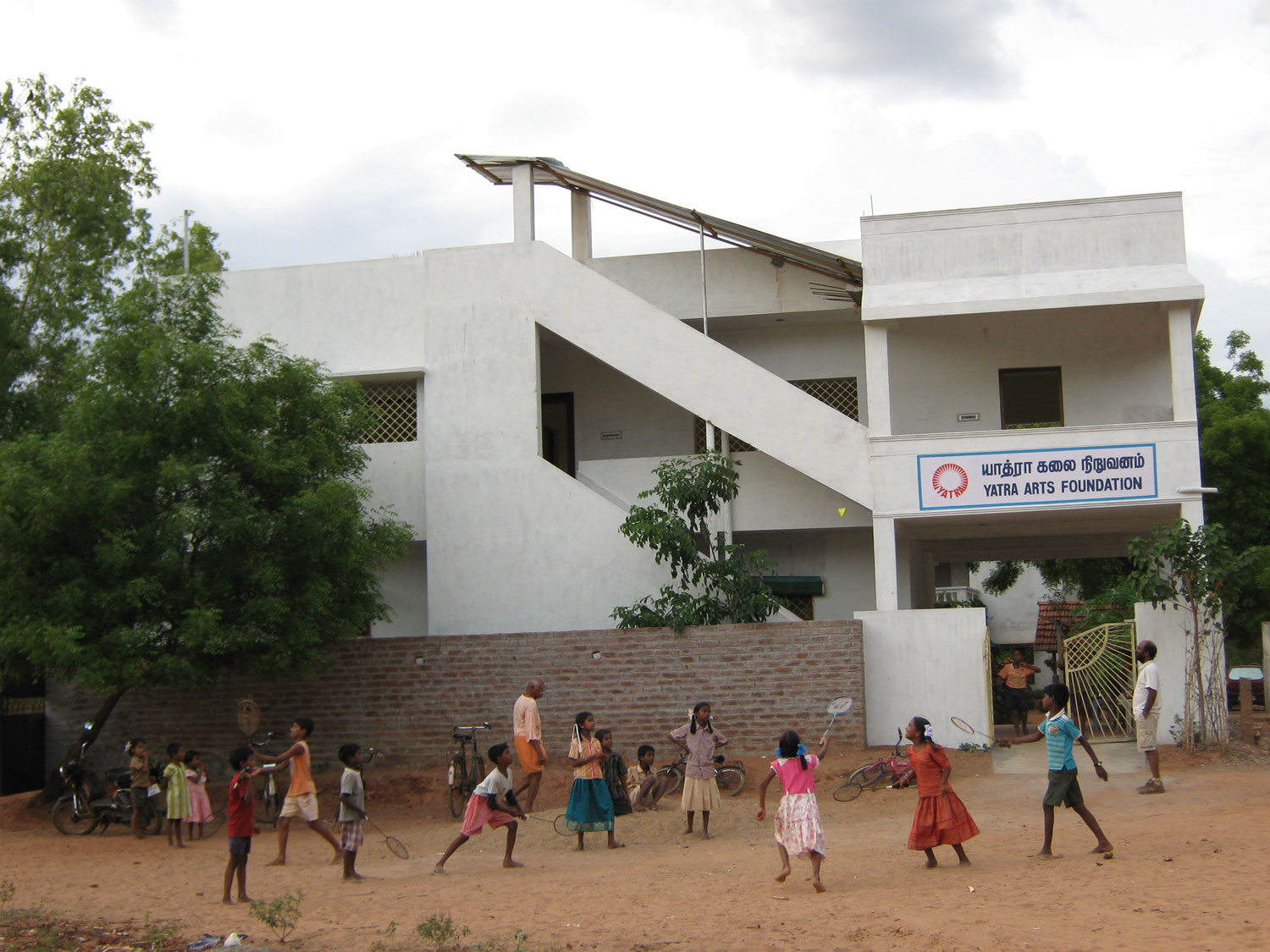
Nestled in the heart of Kuilapalayam, the Yatra Arts Foundation stands as a beacon of creativity and empowerment, transforming the lives of youth in Tamil Nadu’s villages through the enriching power of education and the arts. Founded by a visionary from this very village, Yatra bridges the gap between Auroville and the surrounding communities, fostering opportunities, preserving cultural heritage, and driving social development. At its core, Yatra embodies the belief that art is a tool for empowerment. Through street theatre, traditional dance, music, and modern educational programs, the foundation equips children and young adults with the means to express themselves, address societal challenges, and build a brighter future.

The Yatra Team, with founder Yatra, second from left
Preserving Heritage by Telling Stories
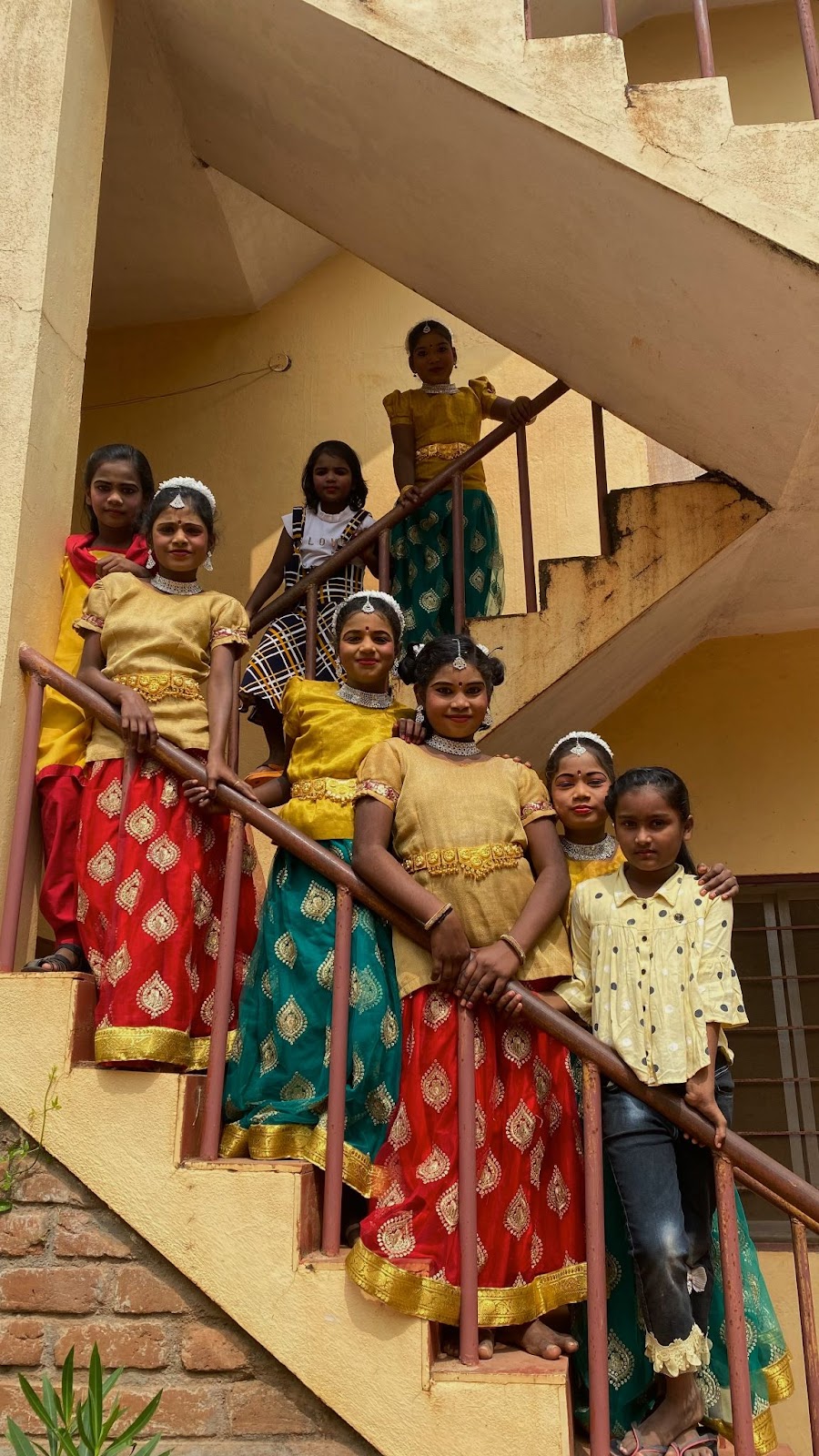
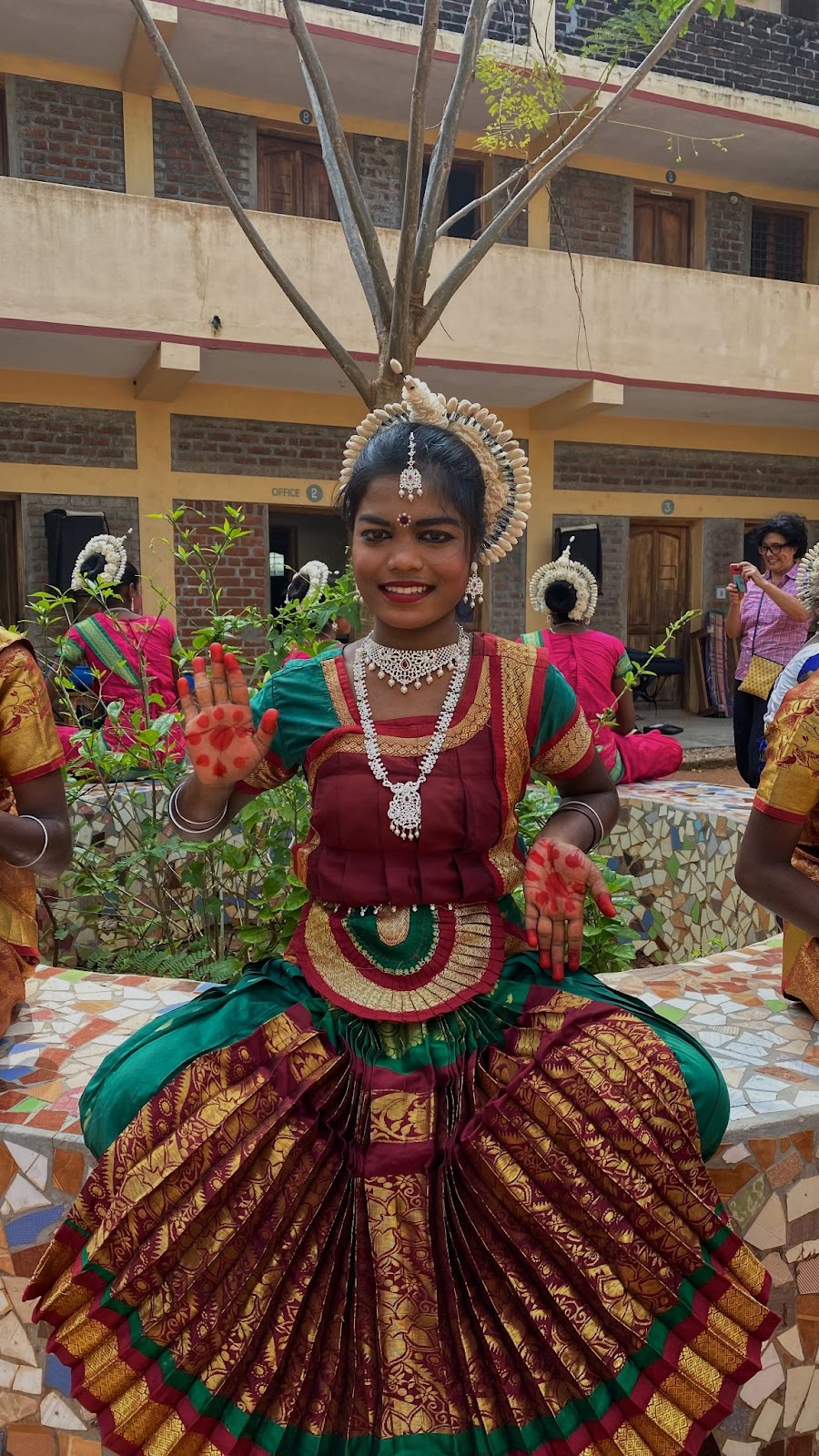
A cornerstone of Yatra’s mission is the preservation of traditional arts, and during our visit, we had the privilege of witnessing these efforts firsthand. We were captivated by a mesmerizing Bharatanatyam performance, where young girls—many of whom have been learning since they were ten years old—used intricate hand gestures (mudras), facial expressions, and precise body movements to tell powerful stories. This ancient dance form, steeped in history and meaning, showcased emotions such as joy, anger, and surprise, preserving the art of storytelling through movement and tradition.
Before Auroville’s establishment, many villages in Tamil Nadu had little access to education or the arts. Yatra has become a vital bridge, connecting these communities with opportunities for growth and development. Children, in particular, have been the most impacted, as they embrace change and learning with enthusiasm. Through its performances, classes, and workshops, Yatra ensures that these opportunities reach every corner of the village.
We were also treated to evocative Parai drumming demonstrations, which brought this traditional form of Tamil percussion to life. The resonant beats of the Parai, traditionally used to mark life events or draw crowds to performances, were not just musical but deeply practical, reminding us of its historical and cultural significance. These performances served as powerful reminders of the region’s rich artistic heritage and the importance of passing these traditions to future generations.

Girls practicing the Bharatanatyam
Art as a Catalyst for Change
Beyond preserving heritage, Yatra uses art as a catalyst for social and environmental change. Before we left, we were shown a compelling short film on the importance of waste sorting and proper waste management techniques. The film highlighted how waste, when sorted correctly, can be transformed into compost, offering valuable resources for the community while reducing landfill waste and preventing illnesses. It was a vivid example of how art—specifically film—can be used to spread awareness, educate, and engage communities in meaningful discussions about critical issues. The film not only underscored Yatra’s commitment to environmental conservation but also demonstrated the potential of the arts to inspire action and create lasting impact.
Yatra’s street theatre performances and films address a wide range of societal challenges, including cleanliness, solid waste management, environmental conservation, and alcoholism. After each performance, the foundation hosts open mic sessions, encouraging villagers to share their thoughts, voice frustrations, and collectively discuss solutions. This interactive approach fosters dialogue and empowers communities to think critically and collaborate to overcome challenges.
Modern Education Meets Cultural Preservation
In addition to its focus on traditional arts, Yatra offers a variety of modern educational programs that prepare youth for the future. These include after-school tuition classes, yoga sessions, painting workshops, puppet shows, and theatre classes, all designed to integrate life lessons with hands-on, enjoyable activities. By blending fun with learning, these programs engage students while teaching valuable skills, from environmental conservation to social responsibility.

Students in an after-school tuition session
Yatra’s work aligns closely with the United Nations Sustainable Development Goals (SDGs), particularly SDG 4 (Quality Education) and SDG 15 (Life on Land). Through initiatives like the Yatra Social Docu Series on YouTube, they reach both local and global audiences with impactful stories about pressing social and environmental issues. Collaborations, such as those with the Lufthansa Health Alliance, further amplify their reach, demonstrating the potential for art to drive systemic change.
As the foundation looks to expand its efforts, it remains deeply committed to its mission of fostering joy and learning through the arts, creating a ripple effect that benefits not just individuals but entire communities.
The Yatra Arts Foundation is growing rapidly, with its impact extending to new villages and communities. Their YouTube channel, Yatra Talkies, recently received the Silver Play Button for reaching a significant milestone of over 150,000 subscribers. The channel continues to share impactful stories, amplifying their message and engaging audiences worldwide. To explore their inspiring content, check them out at the link below:
What sets Yatra apart is its ability to inspire through joy and creativity. Whether it’s a child mastering the rhythms of the Parai, a young girl expressing herself through Bharatanatyam, or a community coming together to discuss an impactful film, Yatra proves that art is more than just a medium of expression—it’s a tool for transformation.
The Yatra Arts Foundation is not just an organization; it’s a movement. A movement that preserves heritage, addresses societal challenges, and empowers individuals to dream, create, and thrive. In an ever-modernizing world, Yatra serves as a powerful reminder of the enduring value of culture, community, and curiosity, lighting the way toward a brighter future.




 Eternal Divers



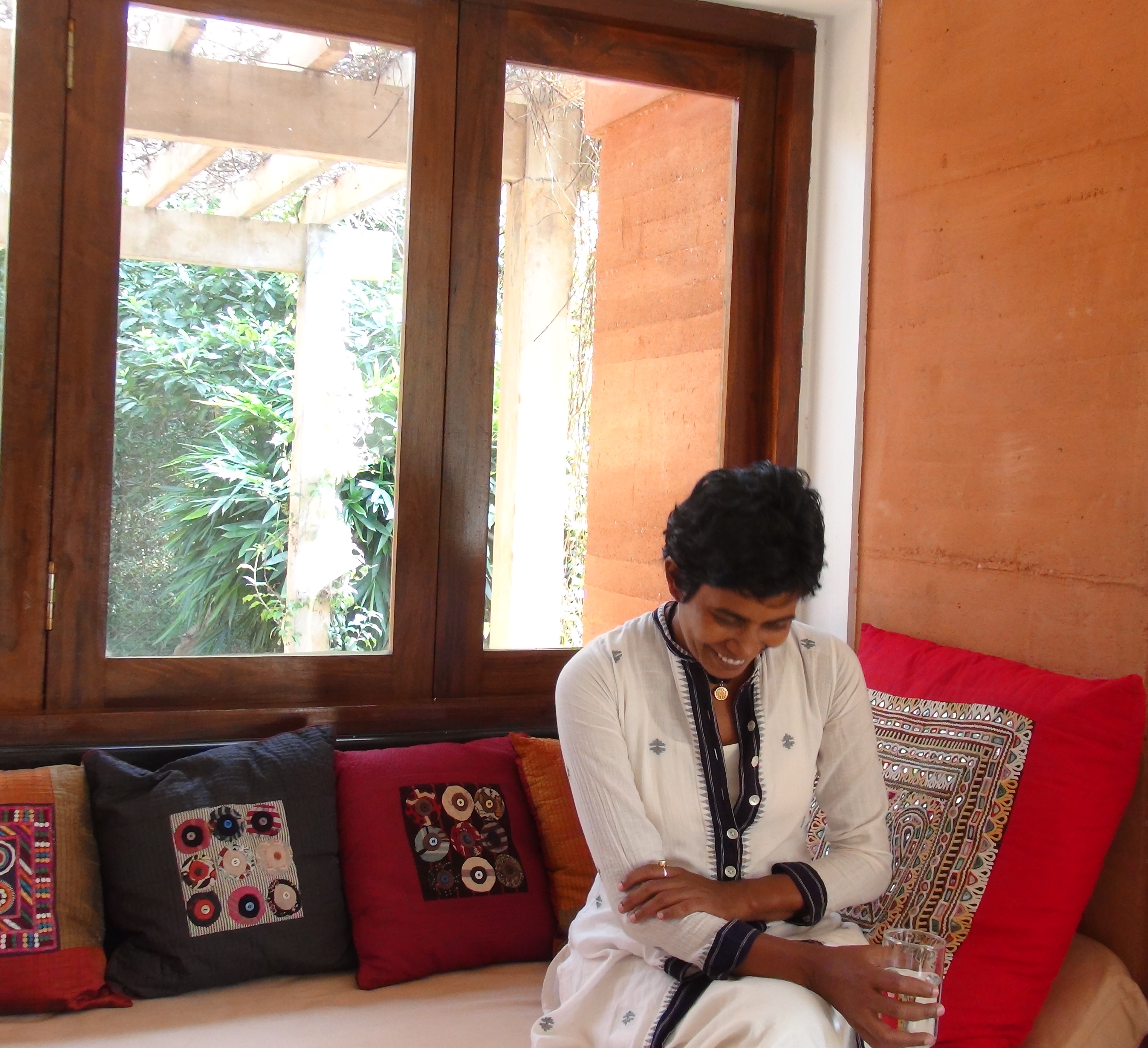 Uma Prajapati in her apartment in India. Image Credit: Mia Windisch-Graetz




 Image Credit: Upasana.
 (Unfortunately, one can’t embed a video, so WATCH it
  AUP Sustainable Development Practicum in Auroville, India