Green Silk Road Caroline Friedman

Gijs, a man from the Netherlands who lives in Auroville now, came to speak to us about reducing carbon footprints and travel methods. On a flight from Paris to Chennai, your carbon footprint would be 1.13 metric tons. If you travel by land, that would be cut down by ten times. Gijs came up with the Green Silk Road because he wanted to be able to visit his mom in the Netherlands but wanted to avoid flying there and back because he was concerned about reducing his carbon footprint. The Green Silk Road aligns with sustainability goal #13 takes urgent action to combat climate change and its impacts. The Green Silk Road is a trip done every year on land from Auroville to Europe. He is hoping this will become a way for Aurovillians to travel from Auroville to Europe in the summers because many people leave to work or escape the heat. Getting to Europe will be a five-week trip there and five weeks back. Throughout the journey, they stop in villages for a couple of days and exchange and teach skills. Until planes become more environmentally friendly, this seems like the most environmentally friendly way of travel. 

ADECOM Network Caroline Friedman

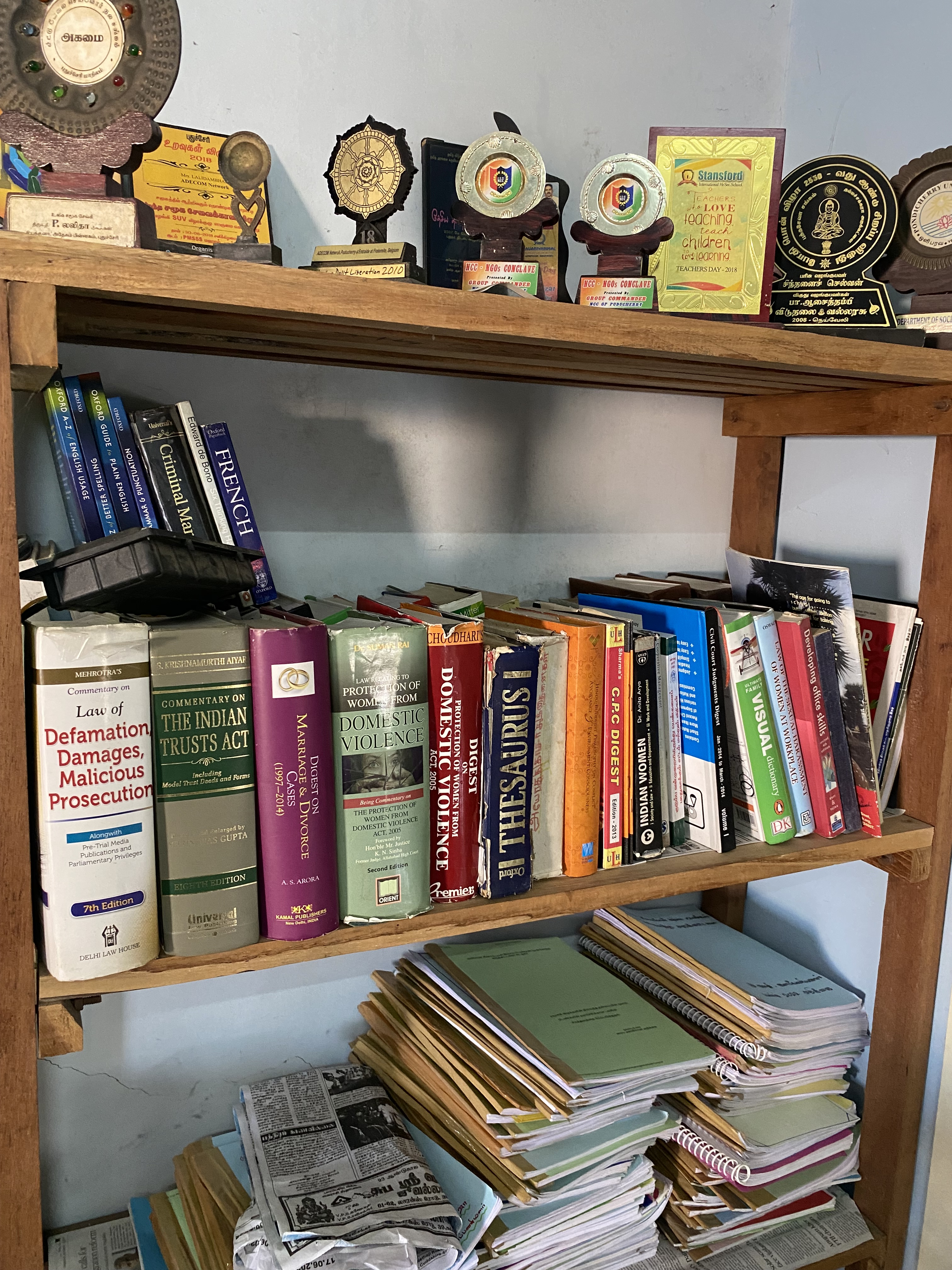
On December 19th, we made our first trip to Pondicherry, where we visited ADECOM Network. ADECOM Network is an organization helping oppressed women claim economic, social, and political rights. They align with UN Sustainability Goal #5 to achieve gender equality and empower all women and girls. They mainly help women who are a part of the Dalit class experiencing domestic violence or gender-based violence at home. The ADECOM network offers so many services to women apart of oppressed groups in Tamil Nadu. 

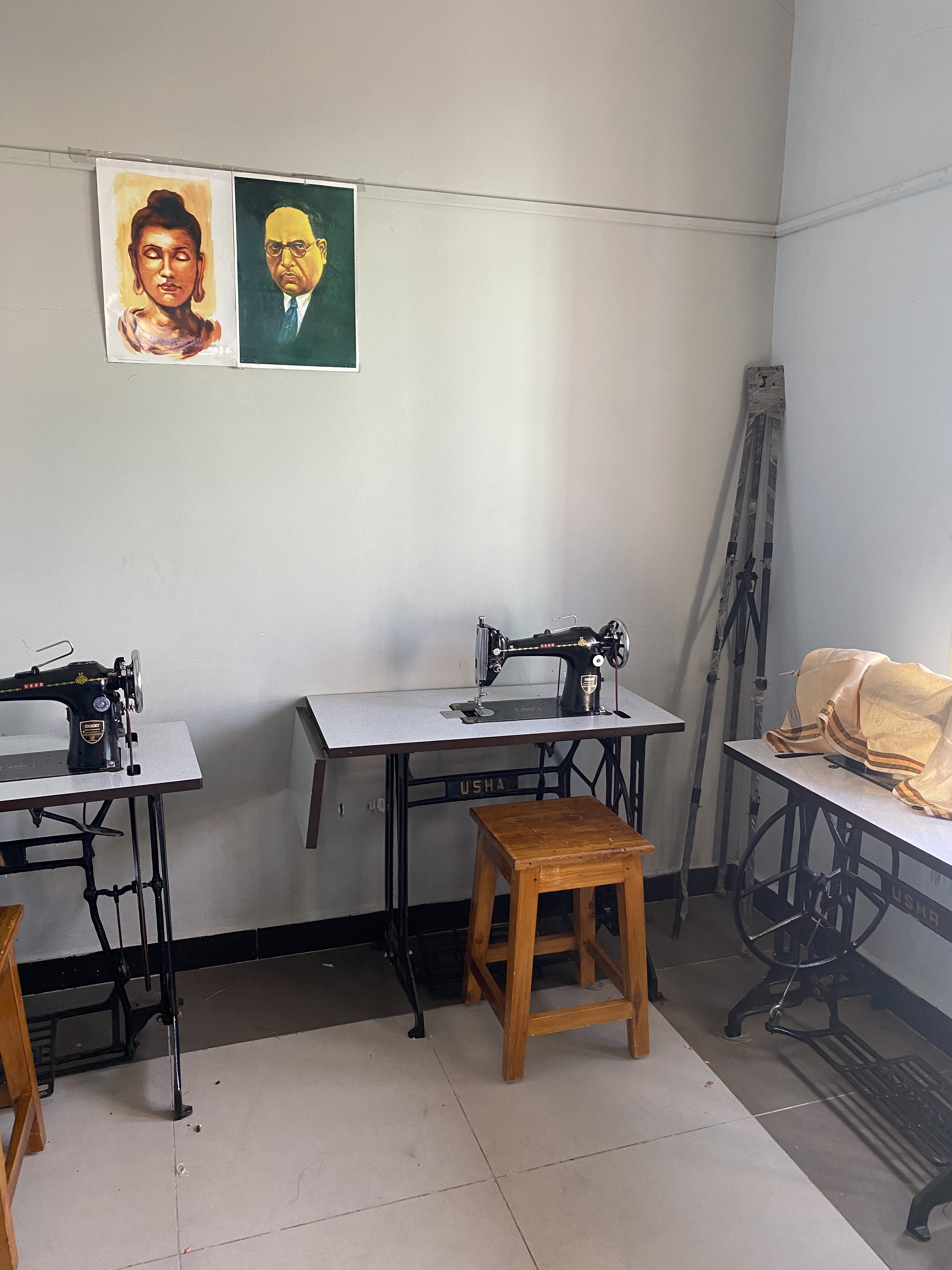
ADECOM helps women gain skills they can use to earn income through skills training and development. They offer free classes in tailoring and tech to help women get jobs. Another way they help women is by giving a woman who wants to be a leader in her community a sewing machine and having her become a community leader and help other women with their sewing. They also train boys and men throughout the villages through masculinity trainings. During this masculinity training, they break down gender roles and encourage household equality. 

Many women have trouble leaving a marriage when there is abuse involved because they have nowhere to go once they are married. ADECOM provides women in urgent situations a temporary shelter so they can get away from violence. They also offer free legal support so the women can know their rights.

ADECOM Network hopes to open a location in France to raise funds and gather volunteers to return to India. 

YATRA Arts Media

YATRA Arts Media was founded in 2002 by Yatra Srinivassan. Yatra utilizes short films and theater as an educational tool on societal problems that range anywhere from littering to alcoholism. Dhanamma, a short film that tells the story of a girl who is forced to work to maintain her family instead of going to school because of her father’s alcoholism. Meanwhile Mattram highlights the importance of hygiene and why trash should be properly sorted.  

YATRA takes an interesting approach to casting. In short films, the actors are usually already associated with the organization. The theatre groups are different because there is a strong push to use the local people. The traveling theatre groups gather their audience by word of mouth and announcements on megaphones. Ultimately, the goal is to gather as much audience participation as possible.  

After film screenings or theater performances, Yatra begins by opening up a discussion about the topic. Yatra explains that often, local viewers are hesitant to open the discussion but are open to talk once the discussion gets going.  

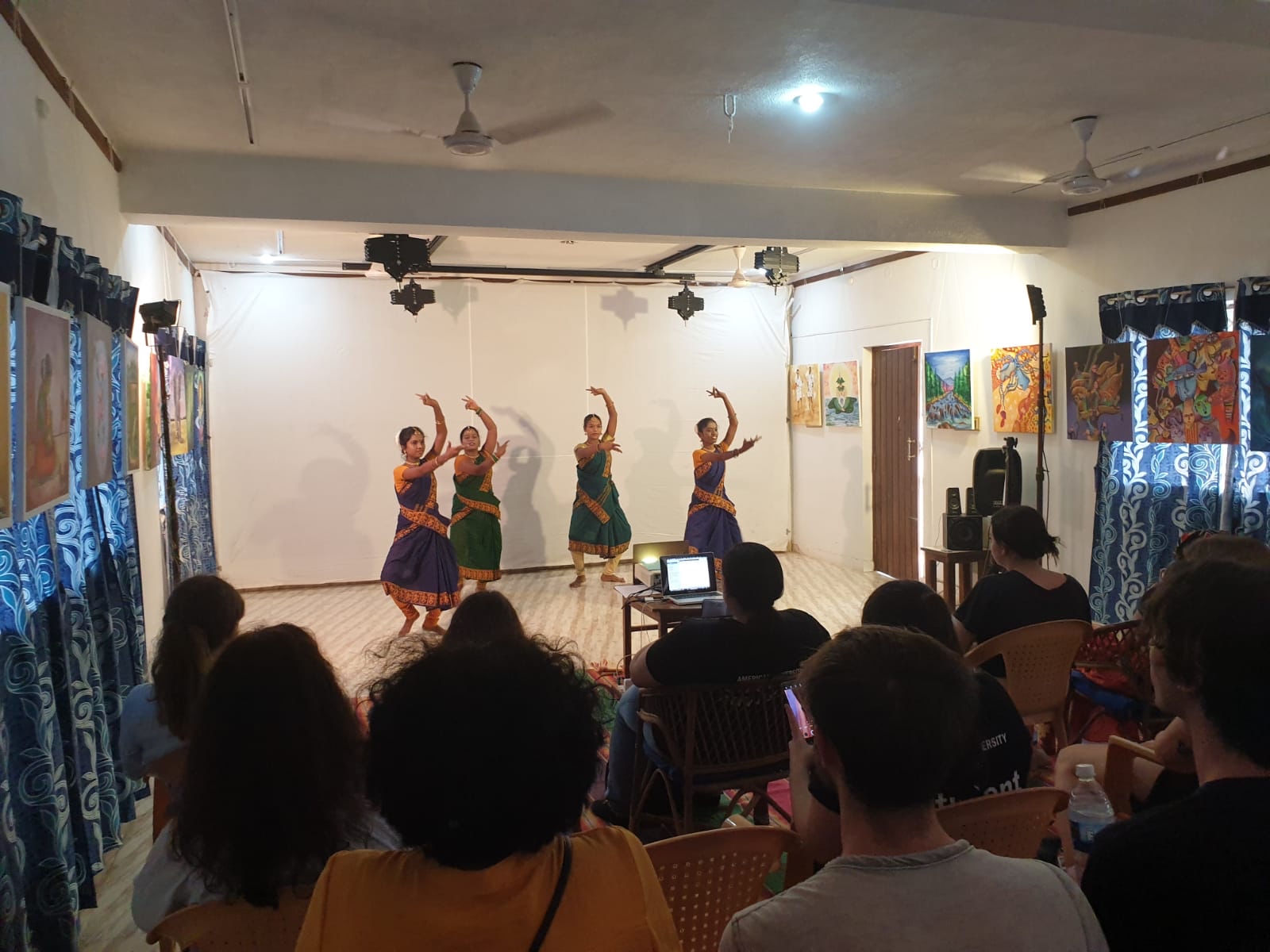
YATRA also offers tuition (an after-school program within this context). Students can choose from a wide variety of artistic activities; dance, paint, music and acting. Art exhibitions are held at the facility in order to exhibit the art created by the students.   

They help keep traditional song and dance alive while still providing children a safe space to attend after school. 

Upasana’s External Projects: Tsunamika and Smallsteps

by Mary Noorlander

Upasana is a conscious clothing brand motivated by service, wellness, and community. This means Upasana’s mission does not start and end with ethical fashion; the brand has a network of external projects. These include Smallsteps and the Tsunamika project. 

Launched on Earth Day 2007, the Smallsteps project aims to cut down on plastic waste. The average person uses 500 plastic bags a year – just one Smallsteps bag can eliminate this waste entirely. 

Smallsteps is a promotion of conscious consumption, and every step in the creation process gives back. Smallsteps bags are crafted by women in rural areas, affording them reliable employment opportunities. When you buy one Smallsteps bag, you are becoming a part of a much larger movement. 

Tsunamika is another program of Upasana’s, one which promotes ecology, education, and women’s empowerment. The Tsunamika Project began in 2005 following a disastrous tsunami in southern India, and carries on today.

This venture into upcycled artwear put to use leftover scraps of Upasana fabric in order to make small cloth dolls. Tsunamika dolls are created by women in local fishing villages affected by the Tsunami. Even today, years following the disaster, women rely on Tsunamika to earn their living. Tsunamika is always gifted, never bought, and stands as a ‘symbol of hope.’ 

Upasana is a brand dedicated to conscious clothing, and endeavors to promote community beyond their immediate mission.

Eco Femme by Mary Noorlander

Photo by Natracare

Every woman has a clear memory of the first time she got her period. For me, I was just shy of twelve, and was too embarrassed to tell anyone until the following morning. This is an all too- familiar emotion amongst young girls, which often carries on into adulthood: shame. Whether we are speaking about a twelve year-old me crafting a DIY toilet paper pad in my aunt’s bathroom, or a girl in Tamil Nadu, India isolated from her family for that introduction into menstruation, young girls are too often told they have ‘become a woman,’ without any tangible information about what that means for their bodies. This lack of access to knowledge about our own bodies is the root of all that unproductive, frightening shame. 

Eco Femme is combating this centuries-old pattern; since 2010, this woman-led social enterprise has been providing education to young girls and older women, reducing waste, and implementing community support. 

Eco Femme is empowering young girls through education. Based in the Tamil Nadu district of India, the organization is engaging in a particularly loaded conversion. Though dialogue around menstruation in India has very recently—after a long tradition of social taboo—opened, the majority of young women (71%) remain unaware about menstruation until they get their first period. Even then, girls are in the dark about the biological information about menstruation, or the range of products available to them. 

This lack of awareness is a serious issue, and the dearth of access to menstrual products, or even ways to dispose of those products, have even more detrimental effects on the lives of young women. Every year, 23 million girls drop out of school due to a lack of: menstrual hygiene management facilities, availability of sanitary pads, and education around menstruation. The effects of menstrual taboo run deep, and can derail the futures of these young women.

Through its Pad for Pad programme, Eco Femme is pushing back against the silence surrounding menstruation. This initiative is designed for girls under the age of eighteen, and offers an introductory overview about the fundamentals of menstruation: its phases, how to track one’s cycle, and how to prepare for menstruation if it has yet to be experienced. 

A key point in Pad for Pad’s curriculum is the inclusion of all menstrual products available to young menstruators. Instructors cover all options in detail: how to wash and use products, as well as how they are produced. Once these girls have been given the knowledge to allow for informed choice, those who are interested in cloth pads are given a free product from Eco Femme.

Changing the World with Sustainable Bacteria by Jzan Tamielle Villanos

According to the Pacific Institute for Studies in Development, Environment, and Security, about 2 million tons of water pollution is produced globally on a daily basis. Water pollution includes toxic chemicals from industrial and agricultural waste and sewage. Contamination of precious water sources directly affects areas with low income communities, where people do not have easy access to clean water. This contributes to diseases, lack of sanitation, and even water related deaths. So one solution to remediate water resources to make clean environments is the production of probiotics. 

 Probiotics are beneficial to sustain the health of life. It is bacteria that is good for the body and the environment. It helps remediate areas in the body and environment by eliminating bad bacteria. It can be found in everyday foods such as yogurt and other fermented food and drinks. Ingesting probiotic foods can help increase good bacteria to support the immune system and fend off illnesses caused by bad bacteria. Probiotics can also be found in water systems and can be used to create a well balanced environment. 

Probiotics is a revolutionary tool to use to push towards sustainability. Our daily routines and the products we use can harm water systems as it drains down the sink or shower. Margherita Correa saw this as a problem and found how people are not thinking about the effects they have on the environment by doing their daily routines. She believed that if “you have a problem, you solve it at the origin.” So, she developed MGEcoduties and subsequently Probiotics House to solve this issue of pollution caused by our daily routines and produce products that are safe to drain and safe for water. MGEcoduties and Probiotics House is the first probiotic company of its kind to produce probiotics in powder form which has become useful to other partnering companies like TATA to use to develop more sustainably safe products. These microbes can produce bioconcrete, bio buildings, beautylines, safe agriculture, and safe livestock. It also helps breakdown compost faster, which is useful to create a more environmentally friendly area. Probiotics promote a safer and more sustainable way of living daily life as it remediates water and the environment. 

MGEcoduties and Probiotics House accomplishes and suits the UN Sustainability Goals of Clean water and sanitation and Responsible consumption and production. Probiotics can help clean up the water systems and using products that have probiotics promote more sustainable routines of daily life. Moving towards a society that uses probiotics can really change how we produce and handle waste as it returns to the oceans. Probiotics will help prevent diseases, and control the balance of water.

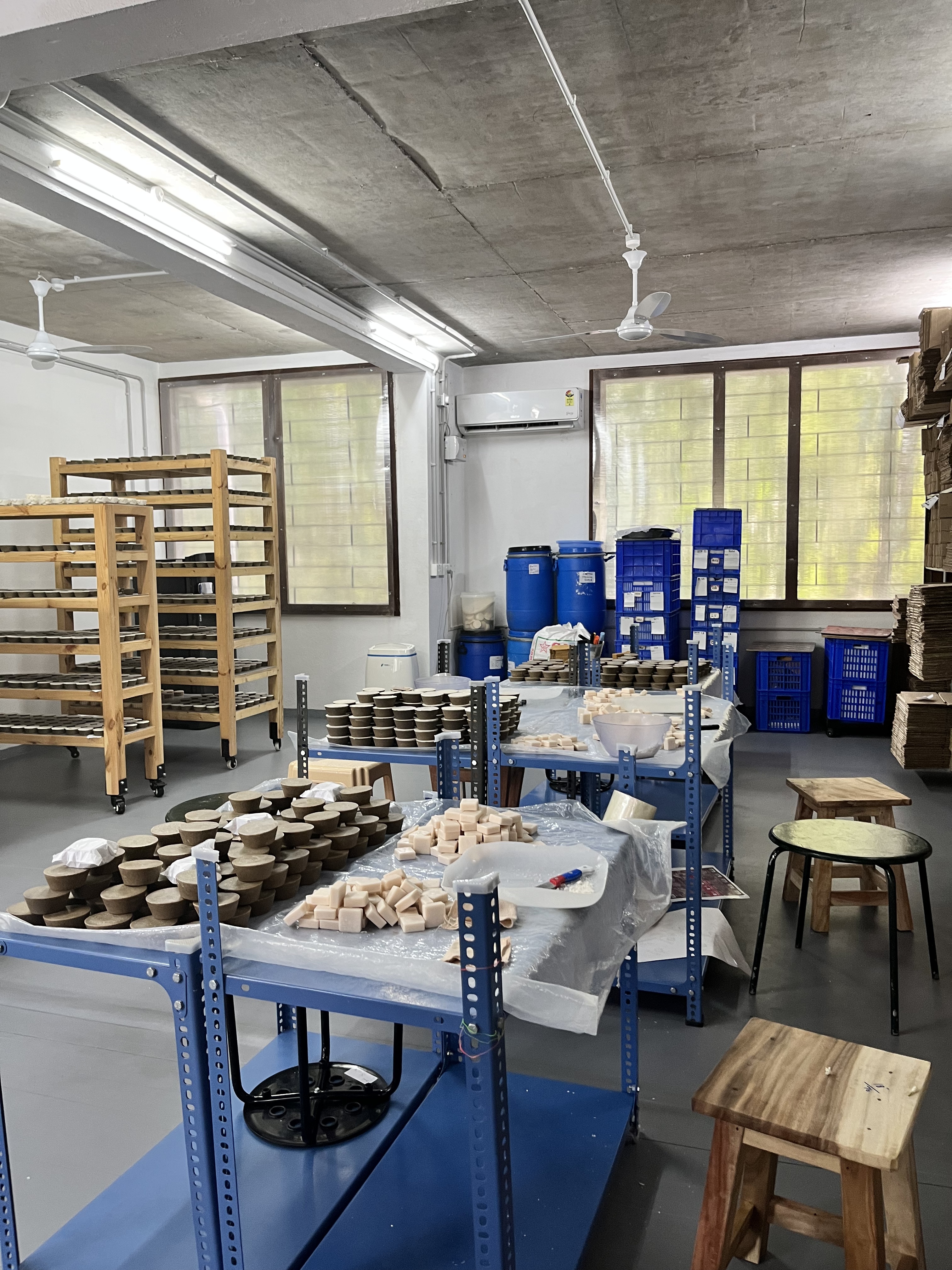
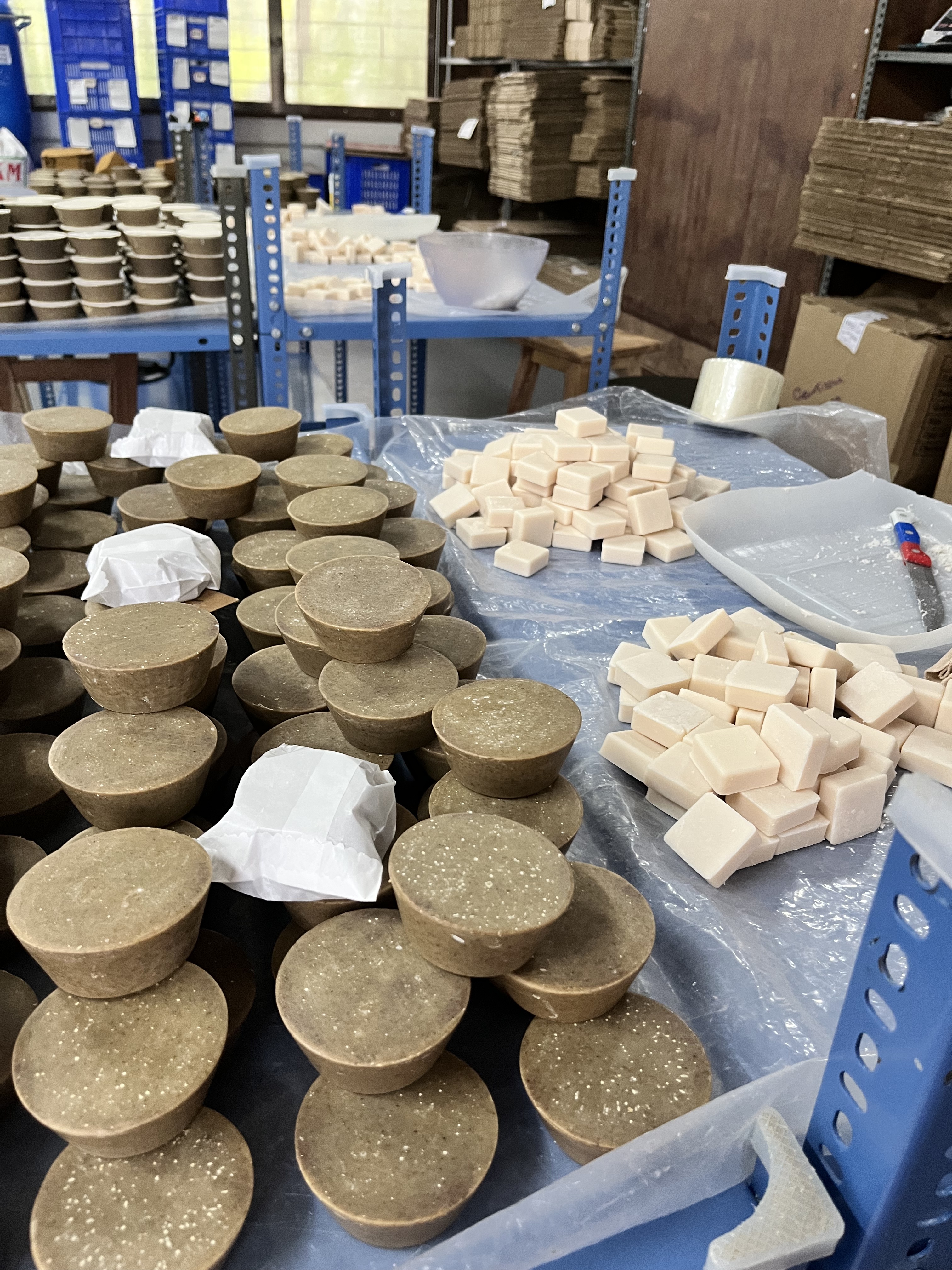
images: Soaps produced by MGECODUTIES that is full of probiotics so when the user uses the product, the probiotics will help remediate the water going down the drain.

Pichavaram Chidambaram Mangrove Forest by Shandiin Vandervere

The Pichavaram Chidambaram forest, resting within the Cuddalore District of Tamil Nadu, is the world’s second largest mangrove forest. Its expansive growth covers about 45 square kilometers along southern India’s Uppanaru River and offers immeasurable ecological value.

The river’s freshwater mixes with saltwater from its source, the Bengal Bay, forming the calm Killai backwaters that saturate the mangroves. Protected by a sandbar, the river runs smoothly and slowly through the bottom of the country. Though the water’s depth is no more than 3-4 feet, its ecosystem flourishes with countless plants and animals.

Interconnected by more than 400 river system routes, the diverse range of unique habitats offers ideal territories for countless species of birds and animals. So far, over 170 different species of both migrant and local birds have been identified within the Pichavaram Mangrove Forest. These distinct environments range from channels, creeks, gullies, mudflats, sandflats, to the neighboring seashore.

The area is designated as a national forest but is situated between two large estuaries, the Velar in the north and the Coleroon in the south, which makes environmental protection even more of a priority.

Apart from offering an incredible level of biodiversity to the area, the mangroves themselves hold immense value for the human populations nearby. The dense roots of the tree help provide natural infrastructure and protection by absorbing storm surges from extreme natural events like tsunamis. Tamil Nadu experienced this in 2004 when a large tsunami hit the coast, killing over 100,000 people. Without the mangroves, the death toll would have been much worse.

Visual representation of mangroves’ effect in extreme natural events.

They also help stabilize the ecosystem year round by mitigating coastline erosion. Their roots, again, help bind and build soil below the ground. Above the earth, they slow down water flow and allow sediment deposits to increase. In a simple scientific process, mangrove root systems filter nitrates, phospates, and other pollutants from the water as it passes by. By improving the water quality at the start of the river, the mangroves help ensure all other ecosystems downriver have clean, healthy water.

Bamboo Center by Christopher Hussey

Bamboo is one of the most diversified natural resources in the world. Unbeknownst to us, India also happens to be the second largest natural producer of the grass, overrun just by China. Tamil Nadu once hosted forests of bamboo which were eventually limited through years of colonization and eco-destruction, as discussed with our group by a local expert at the Mohanem Cultural Center and Auroville Bamboo Center. In Auroville, a community of forward-thinking experts of Tamil Nadu ecology and culture are working to bring back bamboo as a key member of the local environment. Through testing various versions of the plant, a specific strain called Beama has been successfully grown to uphold to the climate here and provide a sturdy substance for sustainable architecture, art crafting, and daily use. 

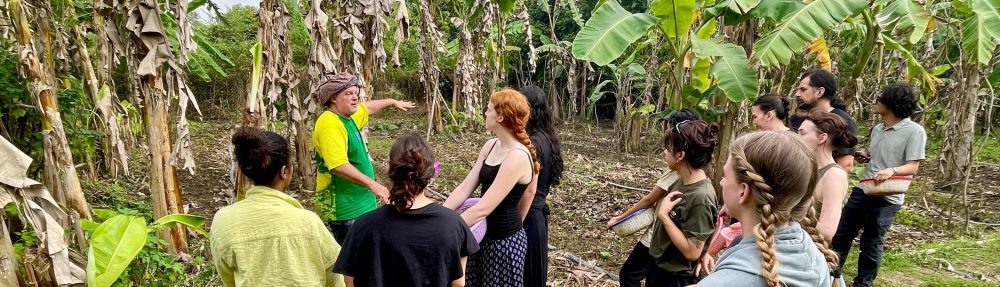
Aurovillians are paving the way for sustainability and their cultivation of bamboo is no different. Through our exploration of the bamboo forests and subsequent shops selling bamboo goods, we came to find that bamboo can be used in myriad ways. The photos below show a collection of bamboo-reinforced home construction, soap, teas, and much more. Additionally, bamboo does not require fertilizer making it eco-friendly and environmentally conscious. As a result, the planting of Aurovillian bamboo forests has also been subsidized by the Tamil Nadu government. Evidently, Auroville is once again lending a shining light on the innovations of sustainable technology with a respect for tradition and consciousness.

A Visit to Sharana by Christopher Hussey

Hidden behind some mother’s side a child peers out with tear-filled, begging eyes. They are bathed in a hazy light and animals run around wildly. With your money, you can help, save, and fix their problems. Their story, after all, must be identical to everyone others’ in their village, state, and country… right?

Many fundraising campaigns and NGOs pride themselves on aiding the ‘sickly village child’ and ‘impoverished family,’ smearing images of such likenesses across their social platforms. Though indeed food insecurity and economic inequality are realities of our global community, supporting those experiencing these circumstances should never be based on guilt and shame which perpetuates ‘othering.’ This is precisely the unlearning that we have to do. 

Sharana is an organization of about 53 members whom work to support and uplift approximately 900 village children of the Pondicherry area. With 6 centers within their vicinity, Sharana provides myriad services from homework help to art therapy. Created out of an effort to facilitate structured learning in the lives of Tamil Nadu children, Sharana has now grown immensely— receiving financial support from many foreign governments, including the French government. Nonetheless, Sharana has made it very clear that they adopt a ‘no nonsense’ policy when it comes to donor coverage and support. ‘Donors do not drive our vision,’ says Rajkala Partha, founder and President at Sharana. The premise of Sharana is that it must be guided by those the needs of those it seeks to work with, not those who seek to work with it. This philosophy, along with the truly remarkable leadership at Sharana, maintains a sense of integrity to its work which is quite unlike many of the savior-complexed NGOs we see coming from the West. 

More on their work, Sharana gives daily after school lessons in language, computer literacy, mathematics, and art to the participating children. Recognizing that the homelife of these kids may also be an impediment to their growth and learning, as alluded to by Rajkala by mention of Pondy’s high rate in domestic and sexual violence, Sharana also provides art therapy services to the fathers of the children and a space for understanding to the mothers. Ultimately, Sharana realizes that inspiring the language necessary to comprehend one’s scenario often leads to the reparation of it. Just below is an image of paintings made by some of Sharana’s fathers, led through an exercise of emotional release via art with Sharana’s art therapist Manuel. 

There simply is so much that could be said of the fantastic work which Sharana does. I invite you to check out their website and, if possible, reach out to get involved!

For some additional understanding on ‘unlearning,’ take a look at this video which briefly summarises the malfeasance of many NGO communications projects:

Mohanam Cultural Center by Shandiin Vandervere

Launched in 2001, this community cultural center was designed to serve as a needed connection between Auroville and its surrounding Tamil villages. While the majority of Aurovillian residents hail from international origins, the communities in the surrounding bioregion are mostly Tamil. While each are connected in their appreciation of spiritual and environmental protection, Mohanam Cultural Center adds another layer of protecting the art, music, and literature indigenous to Auroville’s chosen setting. It focuses on preserving and showcasingthe traditional and cultural heritage of Tamil Nadu’s people, self-described as a, “hub for bio-region art, culture, education. 

Balasundaram, the Founder and Creative Director, has led the center and its experimental bamboo farm for its full two decades of existence and has experienced each success and hardship in tandem. Mohanam began in the oldest building in Sanjeevinagar, after being restored by the initiating group. The current five-acre campus of the new Heritage Center and Activity Hall plans to celebrate their official inauguration in February 2023 after undergoing final infrastructure renovations.

The center itself hosts an impressive array of events, both educational and engaging,that invite all in the area to learn more about the culture they are surrounded by. Mohanam works to educate youth on local, traditional history through activities like yoga, folk dances, class trips, art therapy, and many more. Because of the challenge felt by increasing globalization, many traditional customs are more vulnerable and subject to loss. In direct resistance of this possibility, the center chooses to focus on preserving, “the beauty, traditions, innovations and the continuing evolution of South Indian arts and culture.” 

They also organize a night school, summer art camps, and a heritage kindergarten to help foster education of many different generations. They have held Village Heritage Festivals, offering traditional Tamil games, craft markets, and performances with the help of the Puducherry tourism department.

A strong focus of the center is also water conservation education, headed by women in the community. This water project has been in place for over 20 years and reinforces the shared responsibility of clean water stewardship. Our group was taught the strong cultural link to water in Auroville’s bioregion, specifically with lakes being used as sites for weddings, ceremonies, and other sacred gatherings. The project also serves as part-time livelihood for the women, providing both income and a safe environment to share. This unique blend of environmental sustainability and inner development is truly emblematic of Mohanam’s guiding values.

Our French program visited the center within the large array of Aurovillian NGOs and non-profits to learn more about their unique position striving to serve as a bridge between different crafts, cultures, and generations. Specifically attempting to bridge the gap between Auroville residents, who often come from other countries, and the Tamil speaking communities that surround the eco-city has been a difficult task. Balasundara shared some of the innate obstacles that come with trying to realize their mission, for instance becoming a scapegoat for many issues or facing stagnancy from governments when discussing environmental protection.

This governmental hesitation comes from, again, a unique obstacle faced by many environmental sustainability NGOs in the region. Because of the preceding colonial French territories, Puducherry is made of geographically disconnected areas within Tamil Nadu. This makes any project aiming to help protect or revitalize the environment difficult to pass through two separate bureaucratic approvals. 

But the split between Tamil communities and Auroville was among the most interesting dynamics our group learned through our visit. Many within Auroville’s core leadership team that hail from the overarching government have been advocating for the city’s expansion of both infrastructure and population. A proposed numerical goal of 50,000 within the next 10 years has failed to include the surrounding Tamil villages as part of the existing community. These numbers plan to bring more residents from outside countries instead of incorporating these communities that are already in place. To hear from this community center about these issues was very illuminating and could serve as a case study for others to learn more about techniques used to connect different cultures in a united cause while being cognizant of its unique history.